Source context: Heliyon — Development of a Cost Model for Carbon Fiber Production.
There is no single carbon fiber price for raw reinforcement, dry woven fabric, prepreg, cured sheet, and a finished component. Each form is priced against different units, requirements, processing and acceptance evidence. A quote per kilogram of bare carbon-fiber tow describes upstream reinforcement. It is not comparable to a square-meter price for an identified cured laminate, nor to the price per inspected, accepted CNC-machined part.
For engineering and sourcing buyers, the useful comparison is not “which seller has the lowest carbon fiber number?” It is what material or finished item is being priced, under which specifications, quantity, inspection requirements, and delivery terms?
This guide explains the main cost drivers and how to structure a like-for-like sourcing comparison without assuming a particular supplier’s live rate. It does not provide a CFRPWorks price list, current market benchmark, binding quote, or guaranteed savings percentage. Those require a specific, verified product and commercial offer.
Compare like with like: the unit is part of the specification
| What is being purchased | Common pricing basis | Questions the unit price alone cannot answer |
|---|---|---|
| Bare carbon-fiber tow | Per mass, such as kg | Fiber grade, tow count, surface treatment, lot evidence and suitability |
| Dry woven or unidirectional fabric | Per area, length or mass | Weave, areal weight, width, quality and usable yield |
| Carbon-fiber prepreg | Per area or mass | Resin, handling/storage requirements, out-time and cure conditions |
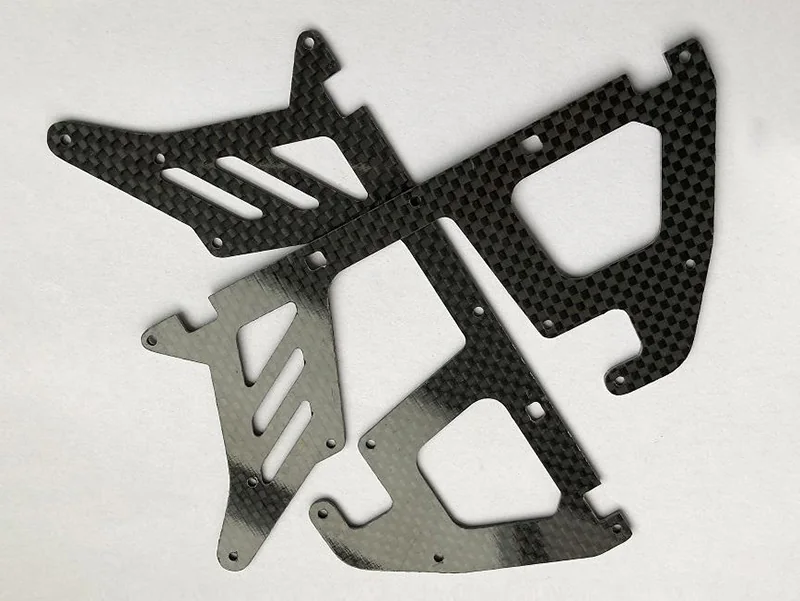
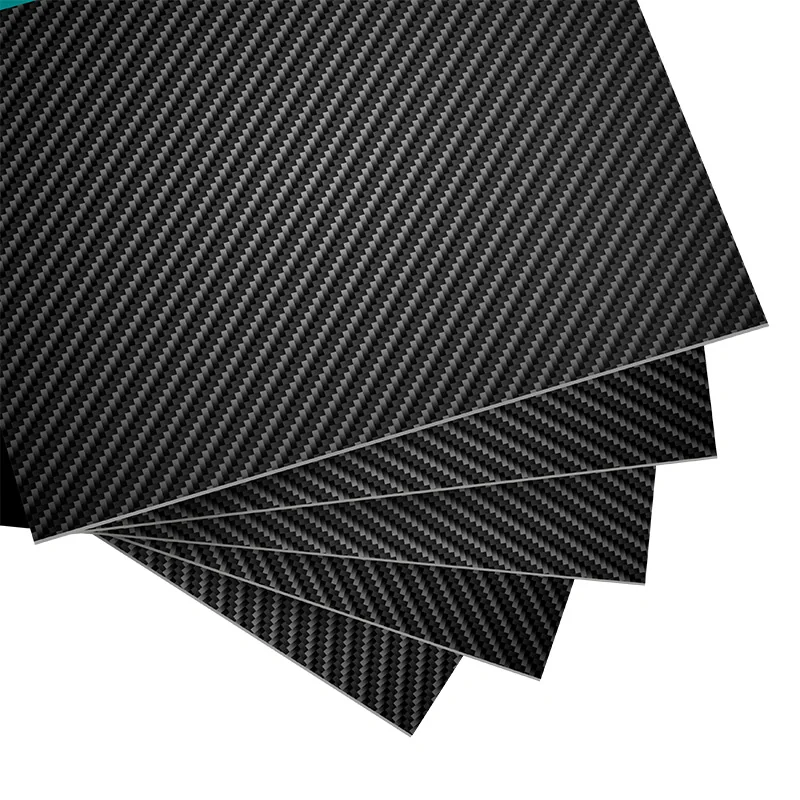
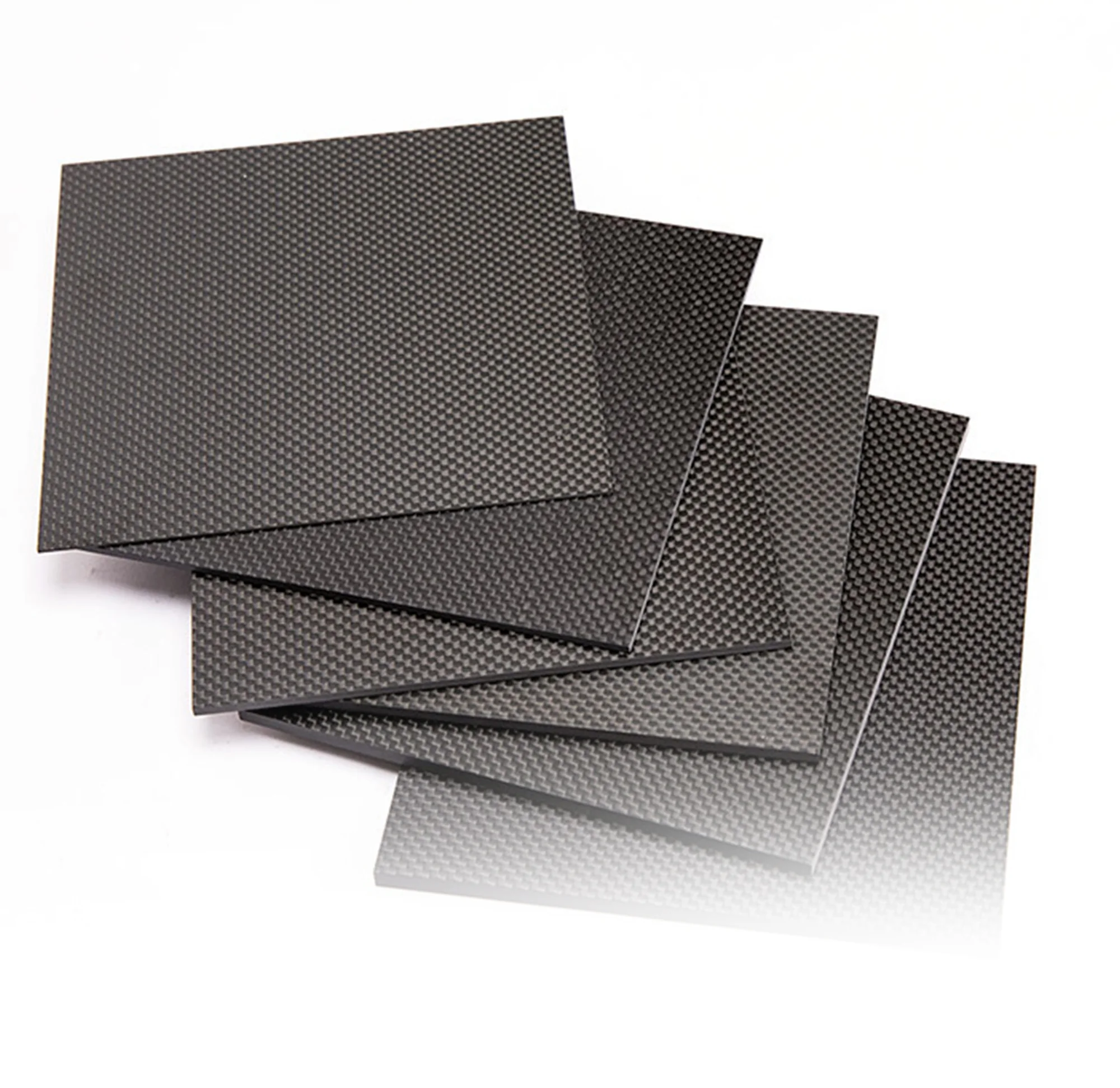
| Cured sheet or plate | Per sheet, area or thickness-defined blank | Ply schedule, cured thickness, flatness, cut allowance and finish |
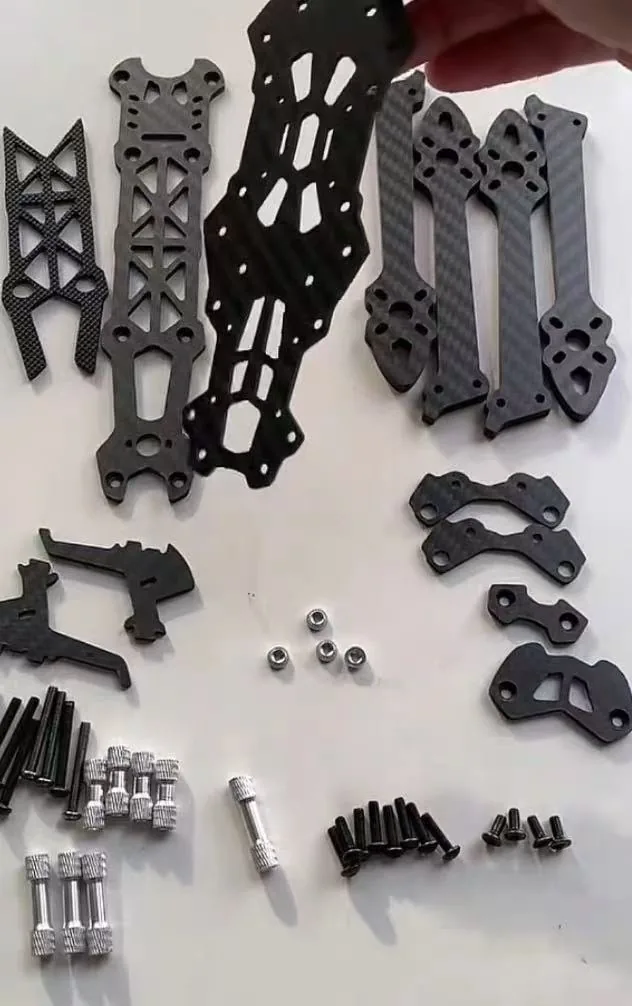
| CNC-cut carbon-fiber part | Per approved finished part | Programming, holding, hole pattern, tolerances, edge quality and inspection |
| Integrated custom component | Per part or assembly | Tooling, design, inserts, bonding, finish, testing and logistics |
A price per square meter for one sheet may be lower while the total accepted part is more expensive, because the sheet is the wrong thickness, produces more cut waste, or requires additional processing. Conversely, a high raw-material unit price may be justified in a specific engineering application if it reduces other costs—but only when that advantage is demonstrated for the actual design.
What makes the fiber itself costly?
Most widely used industrial carbon fibers originate from a precursor, commonly polyacrylonitrile (PAN). Making a finished reinforcing filament involves precursor preparation, stabilization/oxidation, carbonization, surface treatment and sizing. These steps use specialized equipment, energy and process control.
A peer-reviewed 2019 carbon-fiber production-cost model identifies the precursor and its conversion as important upstream cost categories. Academic cost models also examine process yield, tow size, furnace utilization, labor and energy assumptions. Their specific cost numbers belong to those models and dates; they are not a September 2026 live commodity price.
Carbon-fiber grades can differ in tensile strength, modulus, filament count, handling behavior and surface treatment. Choosing a different grade or tow size can change material price and fabrication compatibility. Yet a more expensive fiber does not automatically mean the finished component needs that grade. The engineering load case must justify it.
Manufacturing scale also matters: a production line with different throughput, scrap or yield may have different conversion economics. A model from 2016 or 2019 is not a live 2026 market quotation; actual grade, contract date, energy cost, currency, supply volume and supplier terms must be verified independently.

From fiber to finished part: where costs accumulate
Fabric and prepreg conversion
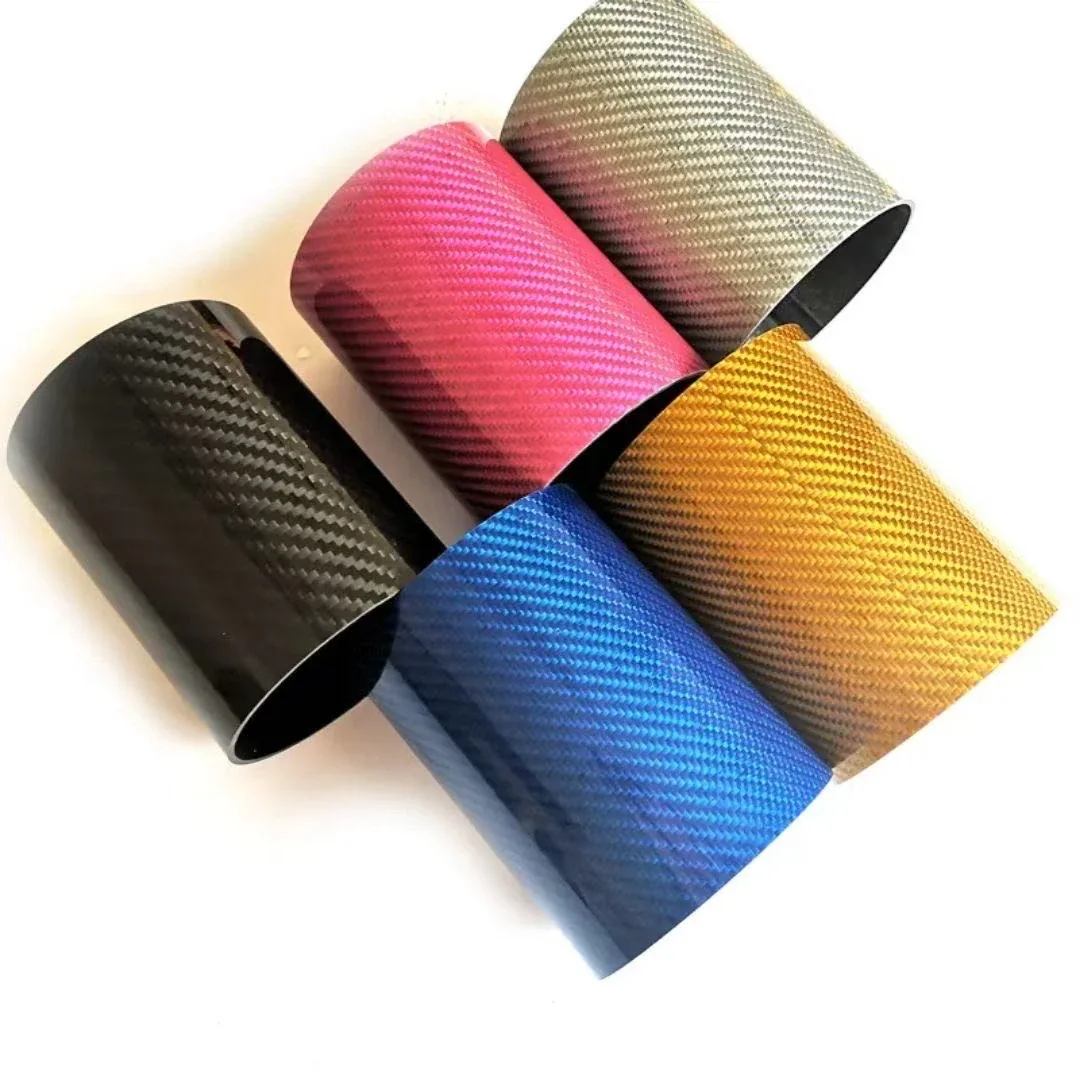
Dry woven cloth adds a textile conversion stage: spreading, weaving, handling, inspection and width control. Prepreg includes a resin system, controlled resin content and often additional storage or processing conditions. These products are not equivalent simply because the carbon-fiber reinforcement in each has a similar mass.
Ask whether the quoted form is dry reinforcement, resin-impregnated material or cured composite. The answer determines what processing remains to be paid for.
Laminate production and thickness
To make a cured sheet, a production route must prepare the reinforcement and resin, consolidate the layup and complete the applicable curing or forming steps. Cost can change with the ply schedule, thickness, mold/tooling, cycle time, size, surface finish and inspection.
A simple flat blank and a tightly controlled plate with demanding flatness or appearance criteria are different purchase requirements. The stock sheet’s usable width and length, trim margins and part nesting pattern also affect paid area, accepted yield and scrap. A blanket “price per millimeter” formula ignores the actual construction.
Machining and edge features
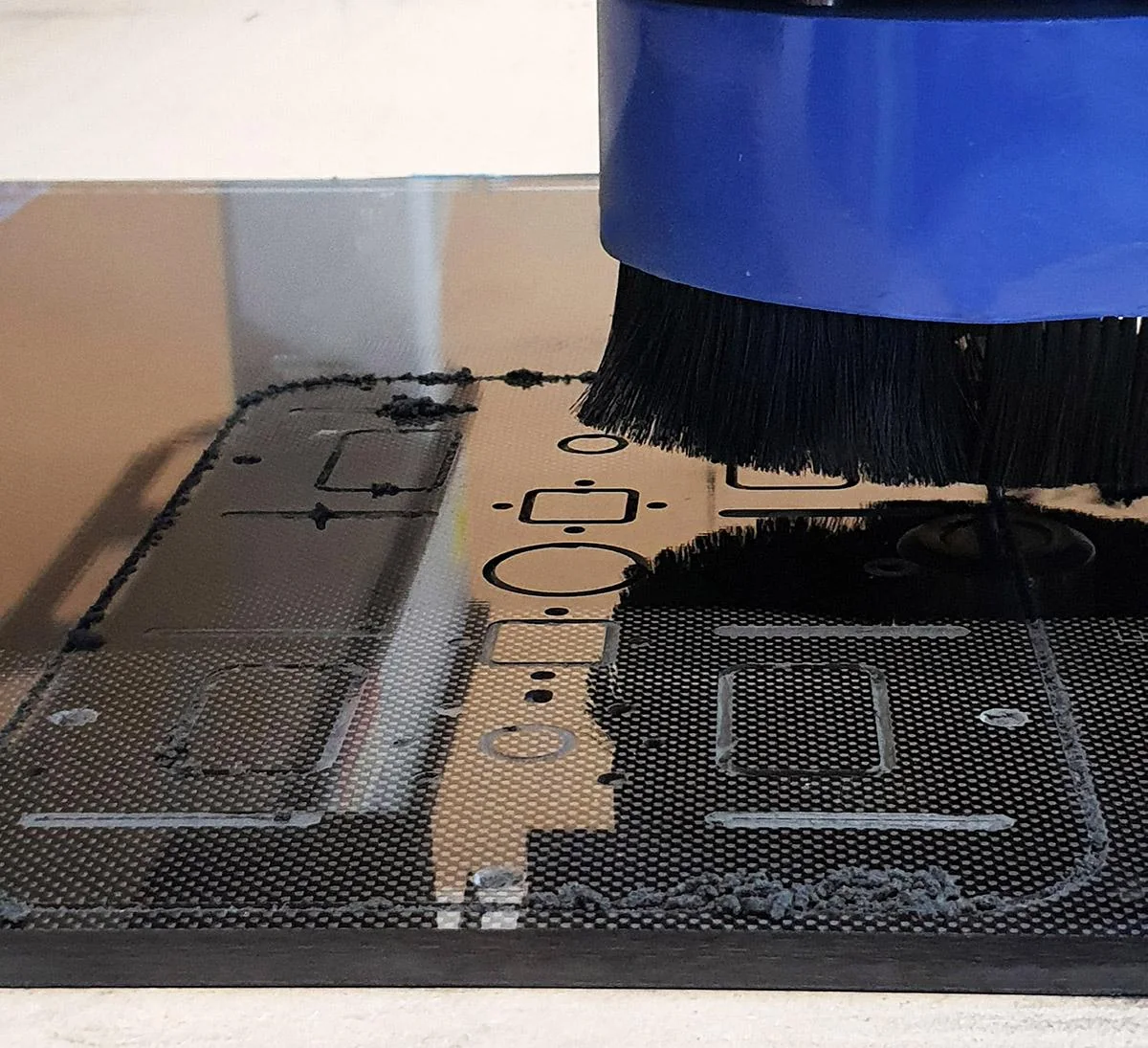
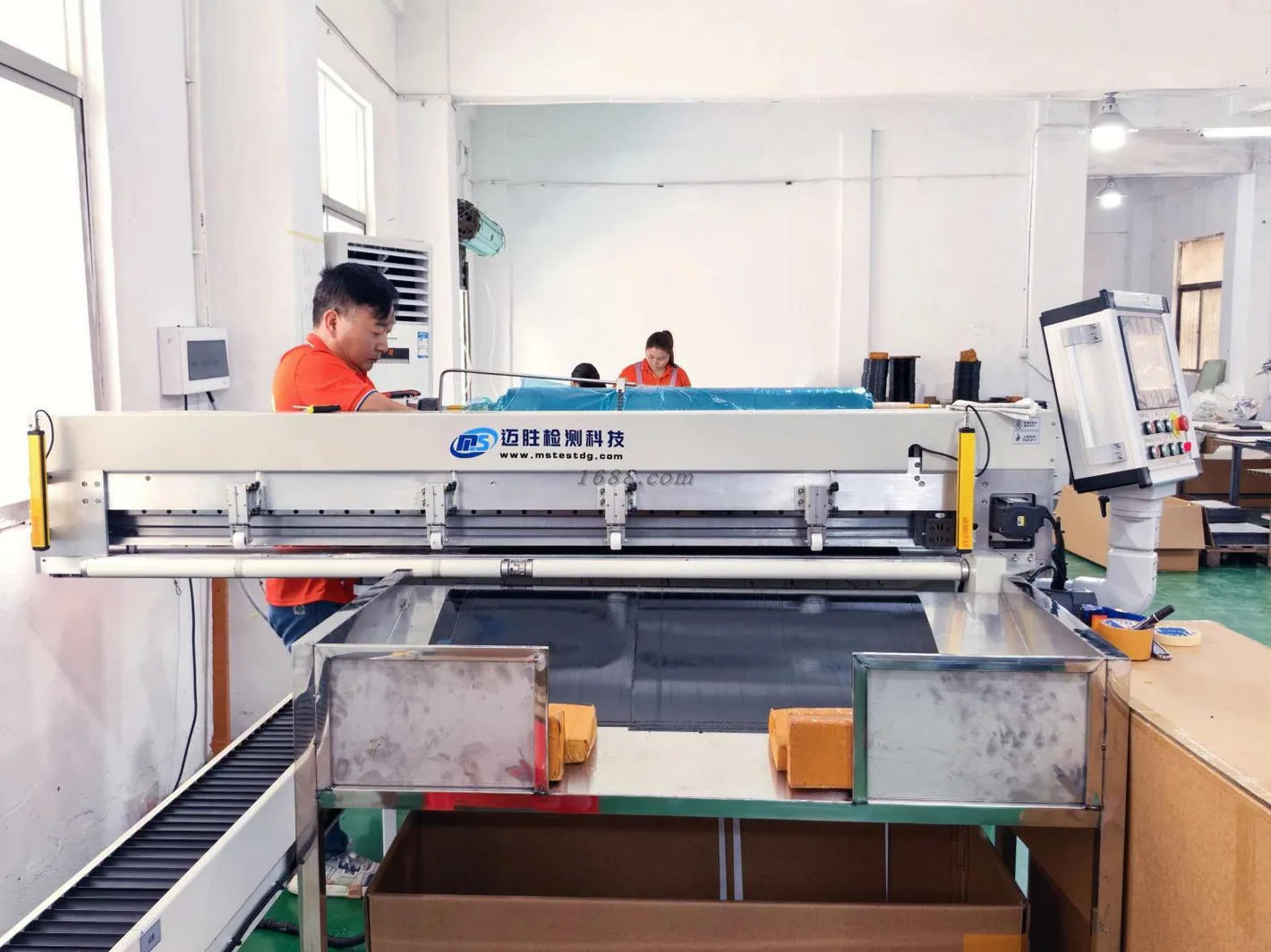
Cured CFRP can be abrasive to tools and can present distinct edge, delamination and dust-control challenges. Complex profiles, small holes, edge finishes, inserts and close positional tolerances can require programming, fixturing, tool wear allowances, controlled cutting, cleanup and part inspection.
A cheap source sheet can produce a higher accepted-part cost if its nesting yield, machining or defect rate is unfavorable; the alternative must be evaluated under matching requirements. Equally, CNC profiling is only a process category, not proof of quoted accuracy, dust collection system, surface condition, throughput or a particular price.
Tooling and development
A custom mold, fixture or inspection gauge can involve one-time design and preparation effort. That nonrecurring cost can be substantial relative to a prototype order and smaller per accepted unit when distributed across an appropriate repeat volume.
But tooling does not become free after first article approval; maintenance, engineering changes and unused capacity may continue affecting economics. Maintenance, revisions, capacity use, changeover and eventual rework can still matter. It is important to distinguish upfront development/tooling expense from ongoing per-part conversion costs rather than concealing both inside one unexplained unit figure.
Finish, testing and commercial delivery
Paint, clear coating, bonding preparation, packaging and dimensional or material documentation are not the same at every buyer. Some applications require design-specific interface evidence, lot traceability, measurement or additional tests; the requested documentation should be defined at the same time as the part. Those requirements should be specified instead of assuming a product with an attractive photo carries the necessary evidence.
Shipping and contractual terms can also change the amount paid: who pays freight, insurance, import duties, taxes and other destination costs depends on the agreed transaction. Neither a source material cost study nor a seller’s public web price proves a landed price for another buyer.
A nonnumeric cost model for comparison
For a meaningful quote, define accepted finished-part cost as a collection of components rather than a single mysterious material multiplier.
| Cost element | Typical question | How the buyer can reduce uncertainty |
|---|---|---|
| Material consumed | How much grade-specific stock is purchased, including usable yield? | Supply dimensions, layup requirements and compatible grade criteria |
| Conversion process | What forming, curing, cutting or bonding work is actually required? | Supply final CAD and feature specifications |
| One-time engineering/tooling | Which drawings, molds, programming and gauges are needed? | Clarify whether the cost is one-time or repeated |
| Scrap and trial pieces | What is the qualification and yield assumption? | Agree trial and acceptance plans |
| Inspection and documents | Which dimensional or test evidence must be delivered? | Define acceptance, sample plan and traceability |
| Finish and assembly | Are surfaces, inserts, marking and hardware included? | Separate included features from optional work |
| Packaging and logistics | What delivery basis and handling protections apply? | Compare quotes using the same currency and trade conditions |
This is a comparison framework, not a CFRPWorks bill of costs. A real quote must establish which entries apply, who performs each stage, and how any required material or process evidence is supplied.
Why quantity changes the quotation
A one-off prototype has a different balance of setup, engineering and material utilization from a validated repeat part. Nonrecurring costs can be spread across more units in an agreed production plan, and standardized repeat processes may reduce setup work.
However, “bulk is always cheaper” is too broad. Quantity can require additional tooling, capacity, inspection, material traceability or storage. A large order with a demanding cosmetic finish may have scrap or quality costs that differ from a simple unpainted blank. Compare total accepted units under the same scope rather than assuming a fixed volume discount.
For recurring orders, ask which parts of the cost are fixed, which depend on quantity, and whether revisions or tooling changes have separate charges. If forecast volume is uncertain, request that scenarios be treated as illustrative until purchase requirements are confirmed.
Is recycled carbon fiber necessarily cheaper?
Recycled carbon-fiber inputs can change feedstock costs and lifecycle considerations, but there is no universal substitution rule. Recovered reinforcement can differ in retained fiber length, sizing, contamination and compatibility with the target matrix and process. Its economics depend on the recycling route, yield, post-processing and the application that can accept the recovered material.
Peer-reviewed cost modeling of recycling systems makes clear that recovery and qualification assumptions matter. A recycled chopped compound cannot be advertised as identical to an engineered continuous-fiber laminate without an appropriate test basis. Material suitability and the accepted finished-part specification still govern the decision.
Two quote comparisons that often go wrong
Scenario A: a rectangular panel. A buyer receives a low area price for a large sheet and a higher price for a smaller blank. The two may differ in layup, thickness, usable cut area, flatness and surface quality. The correct comparison includes final net dimensions, material consumption under the actual nesting plan, expected accepted yield, finishing steps and any requested inspection.
Scenario B: a compact multi-hole bracket. A buyer compares raw carbon-fiber price per kilogram with a vendor’s part price and sees a large gap. That gap may reflect programming, fixturing, cutting, hole inspection, finish and one-time setup, not just reinforcement cost. The buyer should request an itemized scope, not demand a universal material-to-part markup.
These are hypothetical decision cases, not quotations, performance demonstrations or evidence of current CFRPWorks inventory.
What to send for a comparable carbon-fiber quotation
A productive inquiry identifies the material form; intended part function; the drawing, revision and CAD file; dimensions and thickness; fiber/resin requirements if specified; finished hole, edge and surface condition; quantities at prototype and likely production stages; required inspections and documents; destination and agreed delivery basis; and any schedule constraints.
Where the material or process is not specified, say so. An engineering evaluation may need to settle permitted grade, ply construction, process and test criteria before price comparisons are meaningful. Where a specification is fixed, identify the acceptance evidence and alternatives that are not permitted.
Do not treat an educational article as an offer to supply an unverified grade or as a supplier’s acceptance of a target price.
Frequently asked questions
How much does carbon fiber cost per kilogram?
A kilogram quote needs the material grade, tow form, quantity, contract date, currency and defined delivery basis; the listed $/kg denominator is insufficient by itself. That number prices the identified material, not a generic cured sheet or a finished component. A universal current dollar figure would be misleading without those conditions and reliable date-matched supplier quotations.
Why is a custom carbon-fiber part more expensive than raw fiber?
The finished part may require conversion into fabric or prepreg, layup, tooling, curing, machining, controlled dust management, quality checks and finish. The required steps vary by geometry, lot size and accepted quality: fiber cannot be assigned one fixed percentage of the finished-part price.
Is a larger production order always cheaper per part?
Not necessarily. Fixed setup can be distributed over more accepted units, but tooling changes, yield, quality and delivery can alter the outcome. Ask for volume scenarios on a common specification, not an automatic discount claim.
Is recycled carbon fiber a low-cost replacement?
Sometimes, but only for applications where the recovered fiber form, process and measured properties meet the requirements. Recycling system economics and downstream qualification costs must both be considered.
What information does a supplier need to price a carbon-fiber component?
Provide the latest drawing, material and performance requirements, expected quantities, machining/finish details, quality documents needed and shipping terms. If the design is still open, define the comparison assumptions before asking for a binding offer.
Compare cost drivers for your project
Compare Cost Drivers / View Relevant Offer: First identify whether your requirement concerns bare material, a cured sheet or a finished drawing-led component. Bring a complete acceptance specification to the appropriate product or custom-manufacturing discussion. Any material availability, price, quantity break or production schedule for CFRPWorks must be confirmed in a real quotation rather than inferred from this general guide.
For a specific specification and offer, review carbon-fiber product families or the custom manufacturing process. Browse the broader Resources library for related technical guides. Confirm actual material availability and prices through a separate, project-specific supplier quotation.
Related technical guides: Forged Carbon Fiber vs Carbon Fiber · How Carbon Fiber Is Made.
References
- Heliyon — Development of a Cost Model for Carbon Fiber Production (2019)
- Clemson University — Cost Estimation Model for PAN-Based Carbon Fiber Manufacturing (2016)
- Infosys — Carbon Composites and Cost-Effective Manufacturing (2018)
- Element 6 Composites — Why Carbon Fiber Is Expensive
- Peer-Reviewed Study — Cost Modelling for Recycling Carbon Fiber Composites