
Use & Function
Explain what the part must do, what it connects to, the relevant environment, and any safety-critical or regulated condition that requires separate evidence review.

Geometry & Revision
Provide a dated 2D drawing or CAD model where available, with units, revision, mating features, hole patterns, functional datums, and dimensions that are critical to fit.
Material Requirements
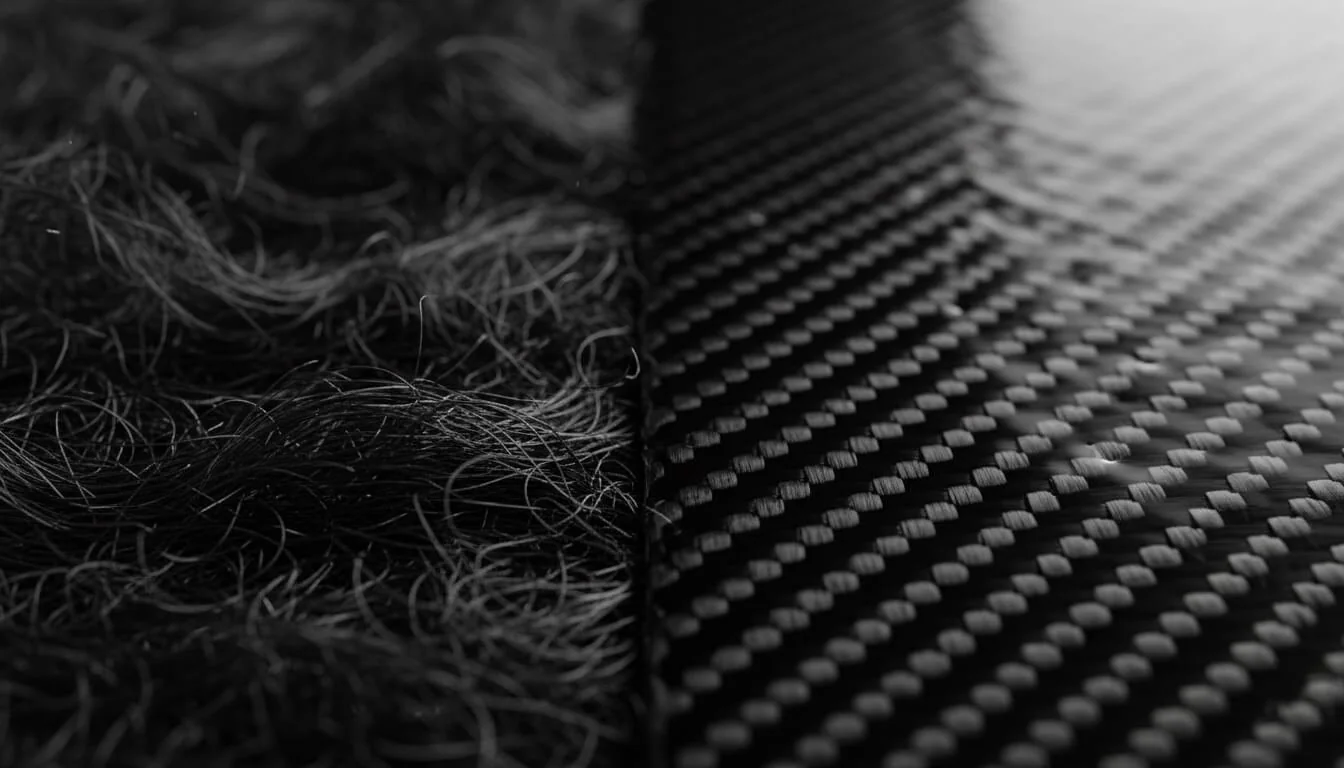
State any required fiber or resin system, laminate orientation, thickness, finish, or edge treatment. If these are open, describe the performance question or reference condition to evaluate.
Volume & Schedule
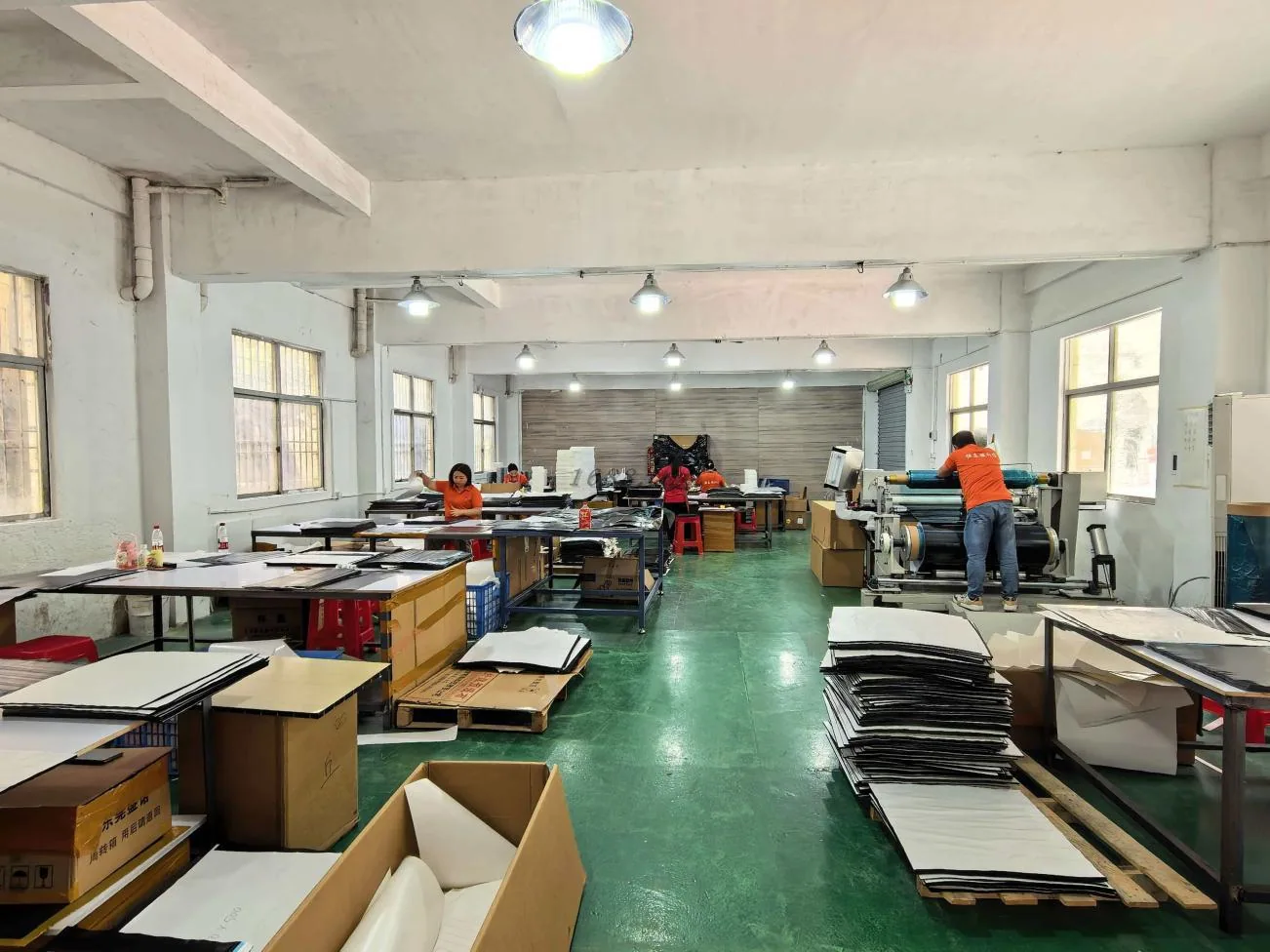
Separate prototype quantity from expected repeat demand and state the target delivery date without treating it as an agreed lead time before feasibility and commercial review.
Verification
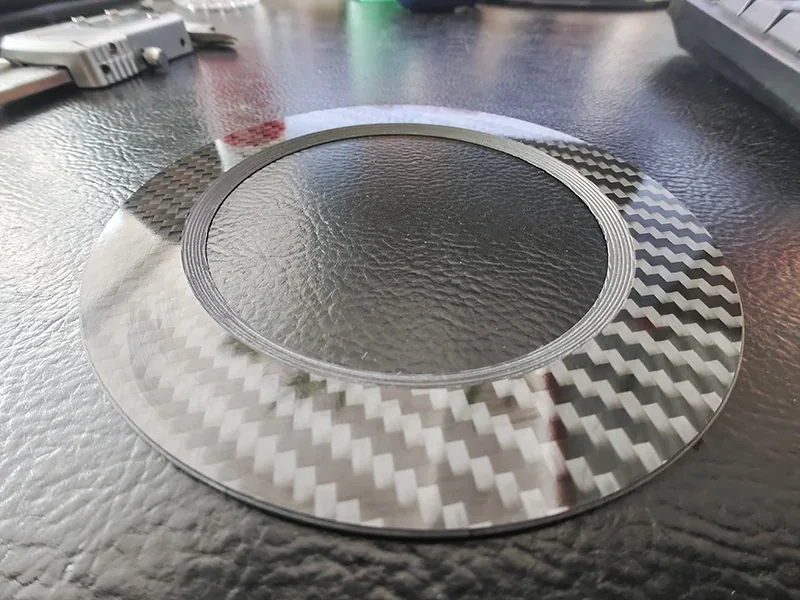
Identify critical dimensions, inspection methods, traceability needs, records, tests, or standards that must apply to the actual part or batch.

Confidentiality & Contact
Identify the project contact, drawing ownership and revision controls, and how restricted files should be transferred through an authorized channel.
Who Will Make the Item?
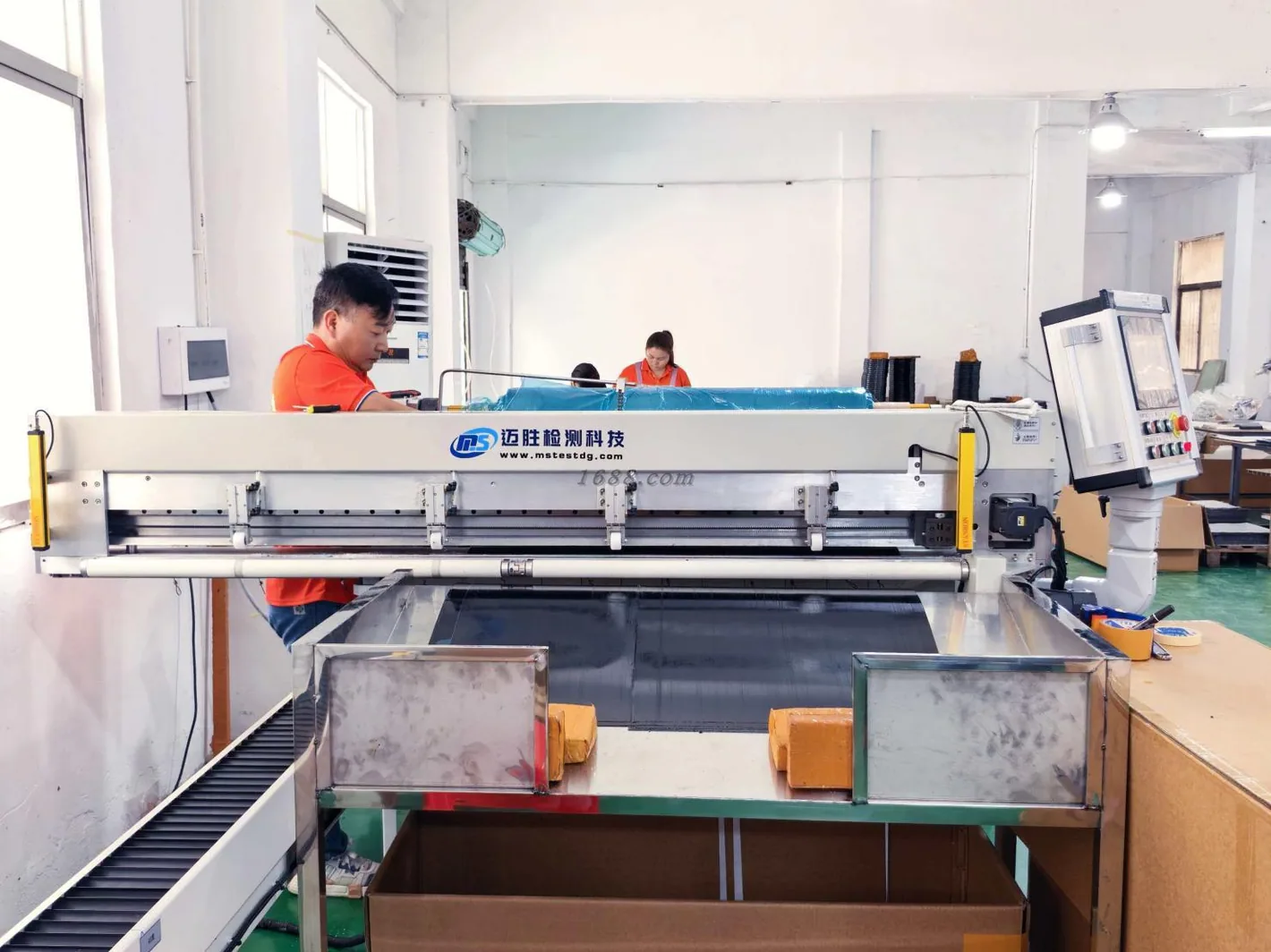
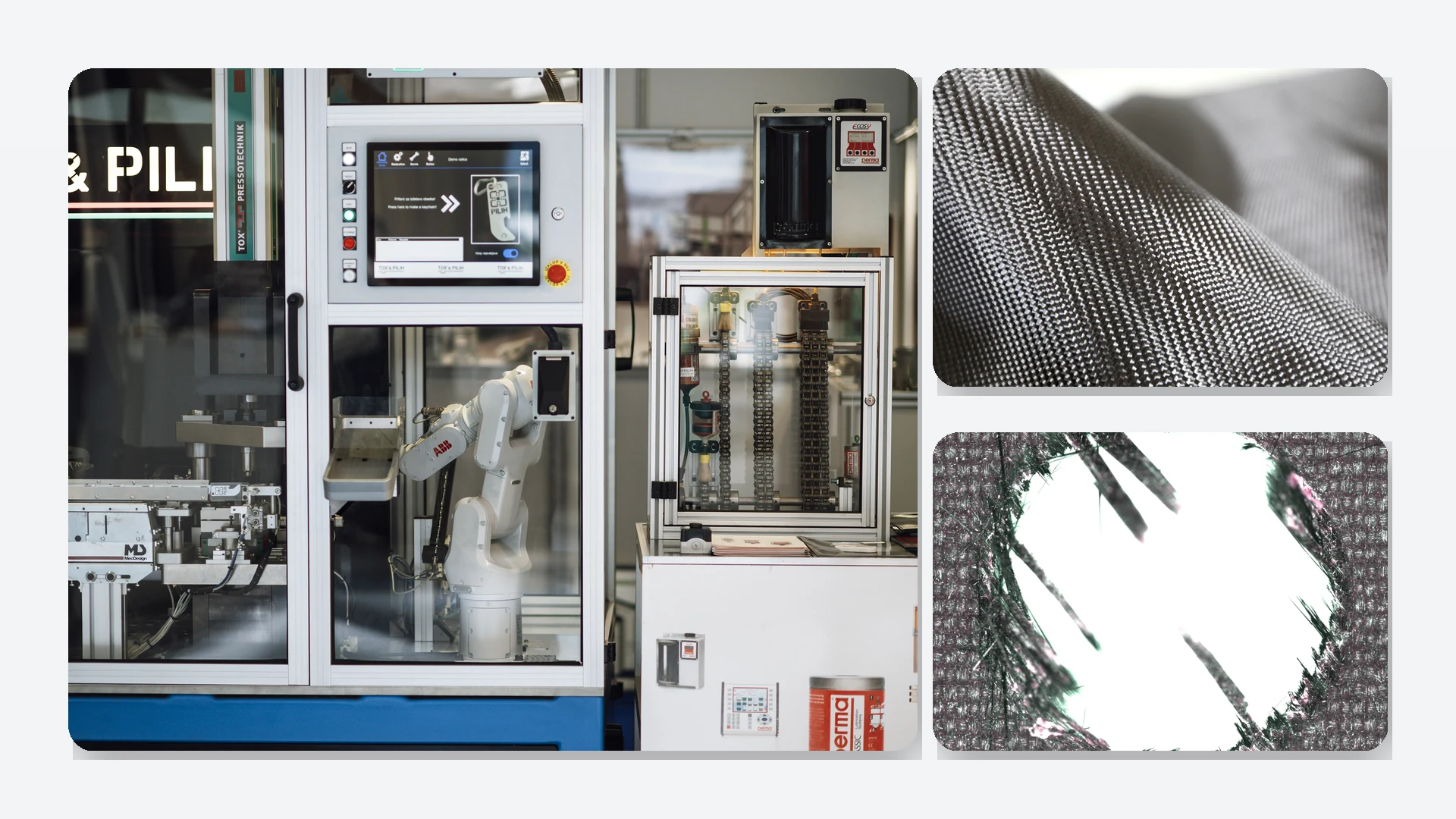
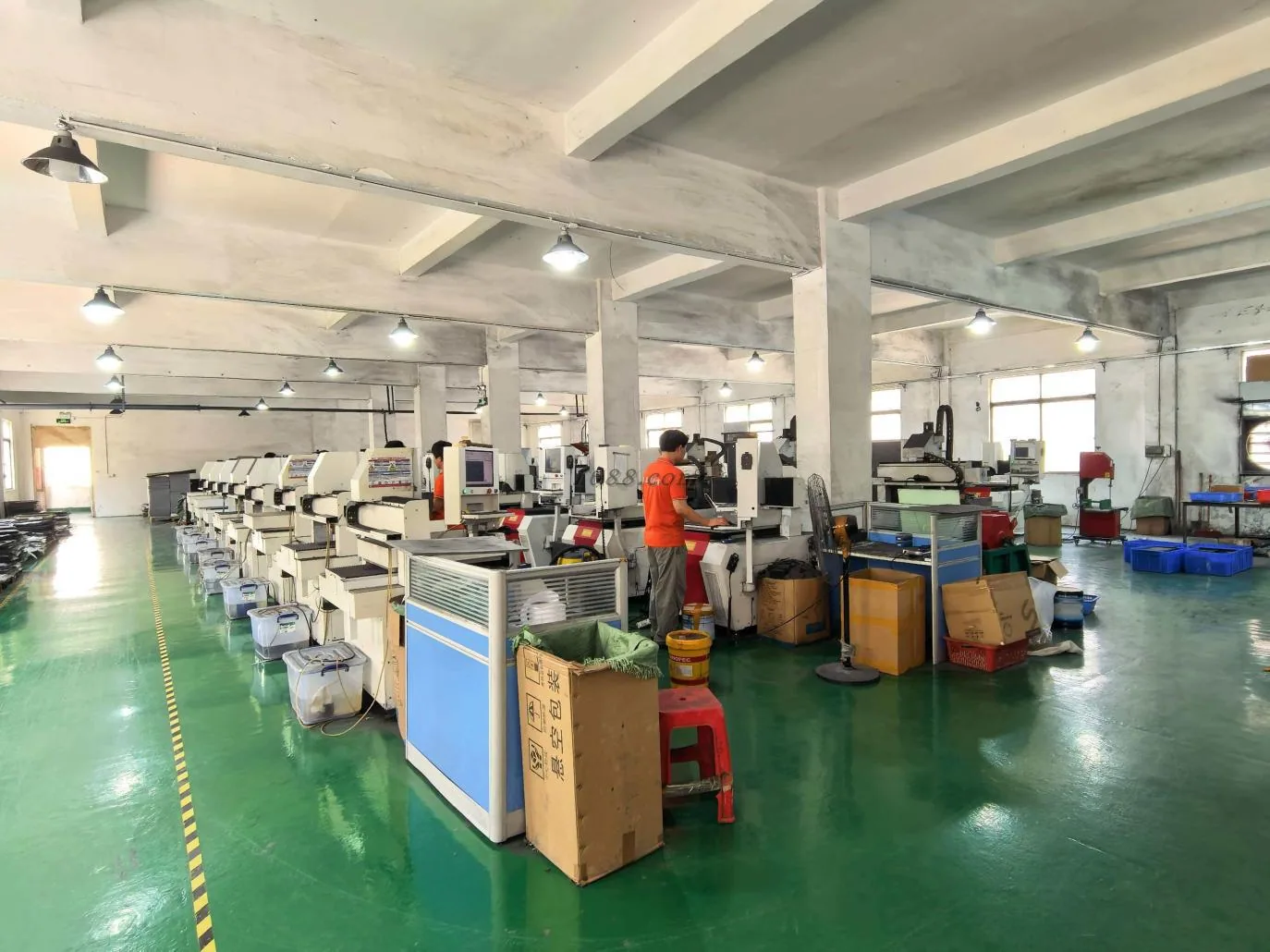
Confirm the legal supplier, relevant production location, and any subcontracted operations for the actual job. A photograph alone does not establish the legal relationship.
What Exactly Is Being Quoted?
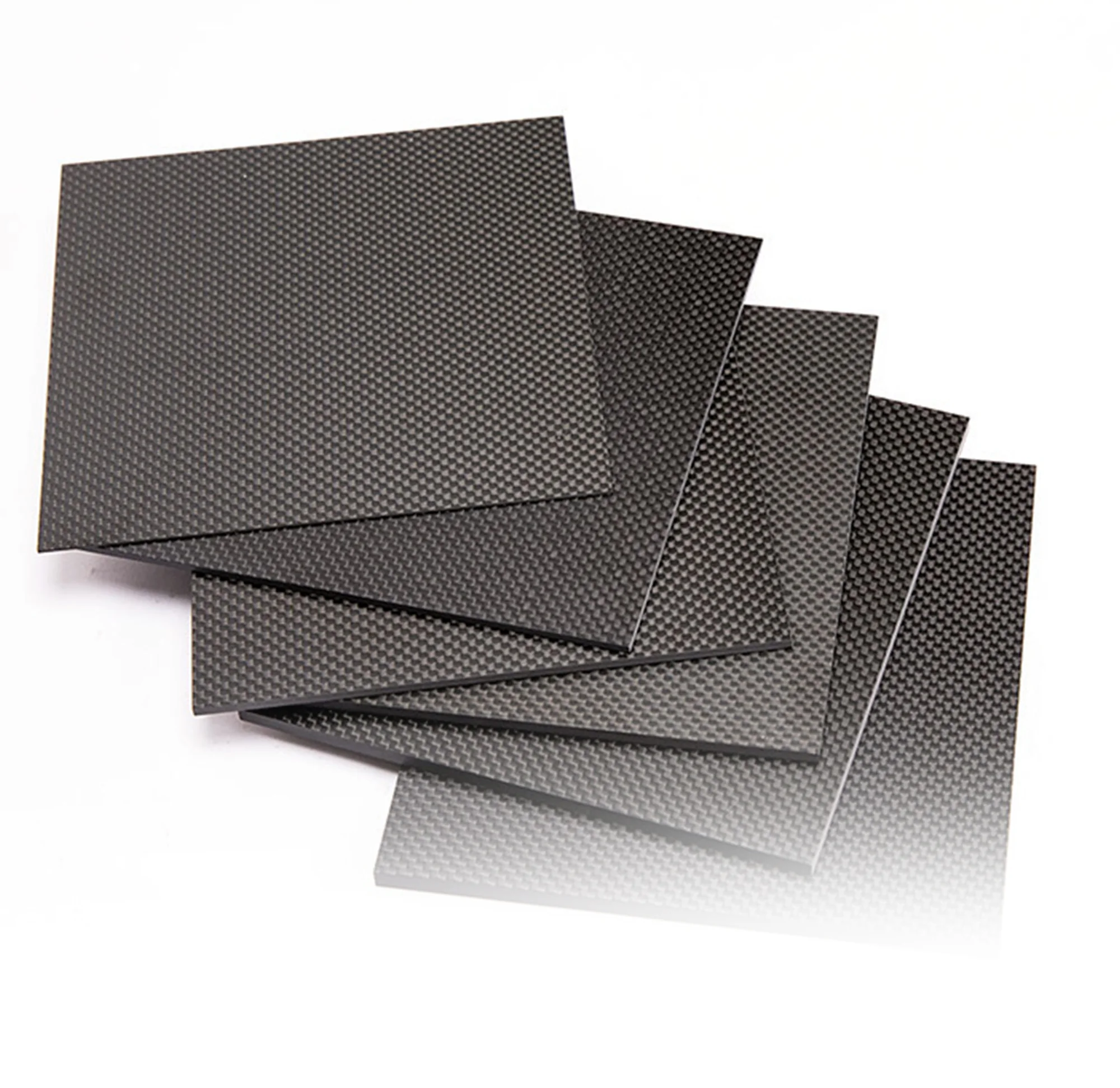
Request a controlled description of the material, deliverable configuration, drawing revision, and included operations. A generic gallery is not a configuration record.
How Will Acceptance Be Demonstrated?
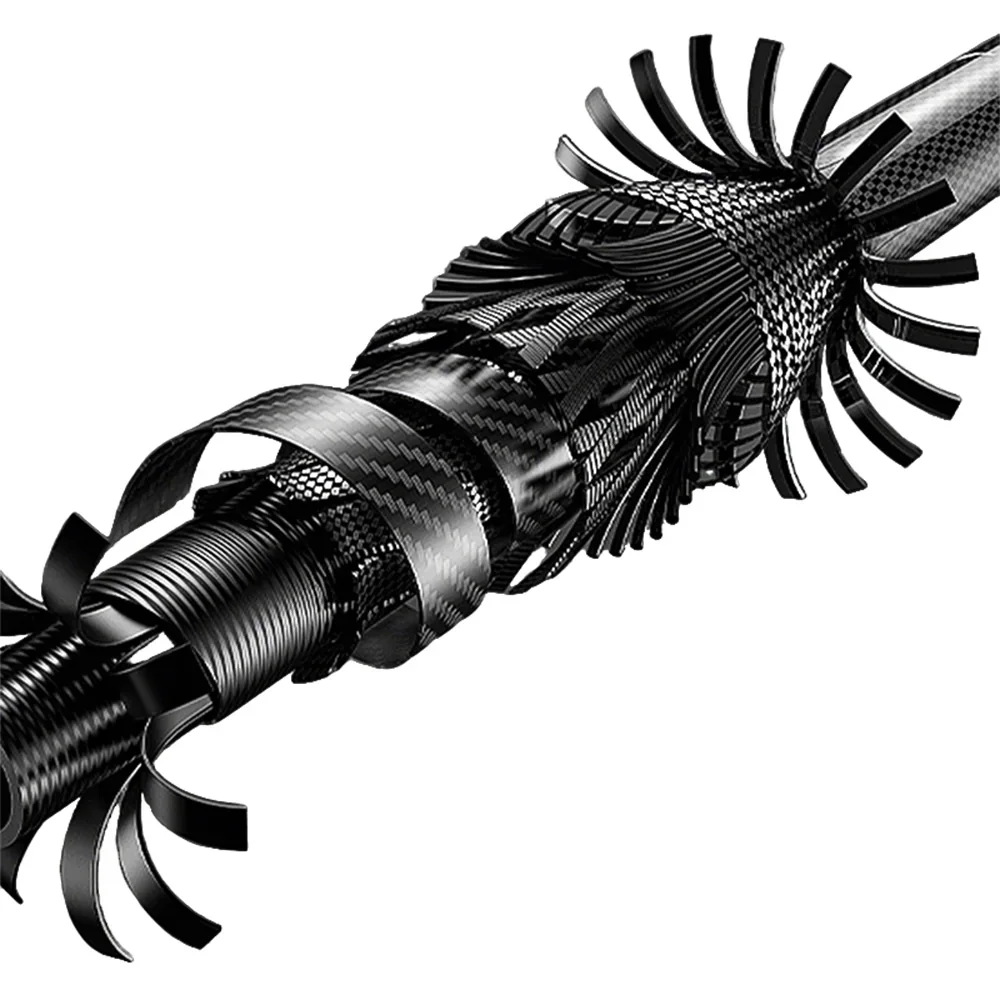
Agree on the checks or records linked to the part or batch. Test results for another laminate or design do not prove the performance of the quoted configuration.
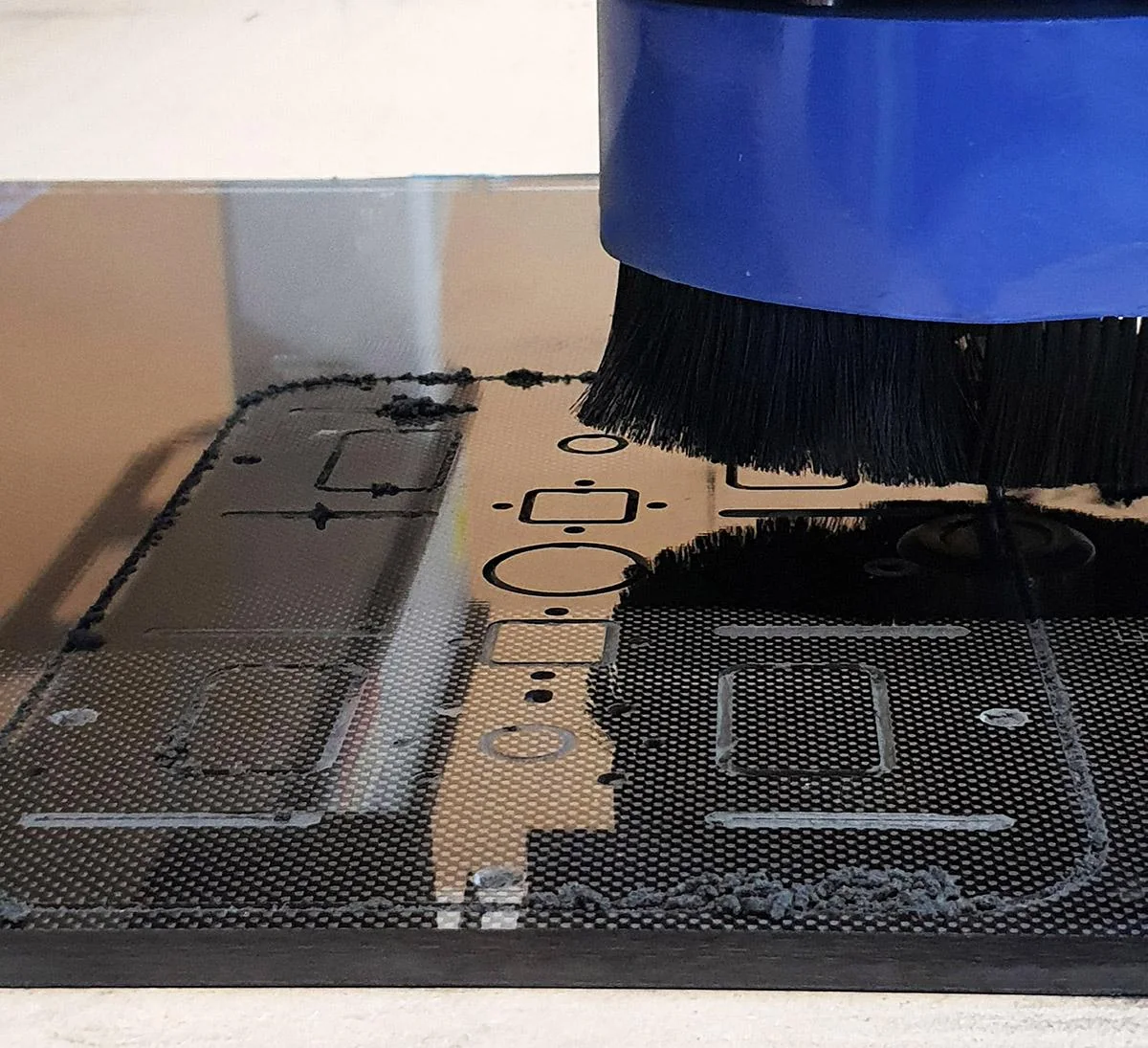
What Do Credentials Cover?
If a certificate or conformity statement matters, verify the issuing organization, holder, validity, site, scope, and applicability to the work being quoted.
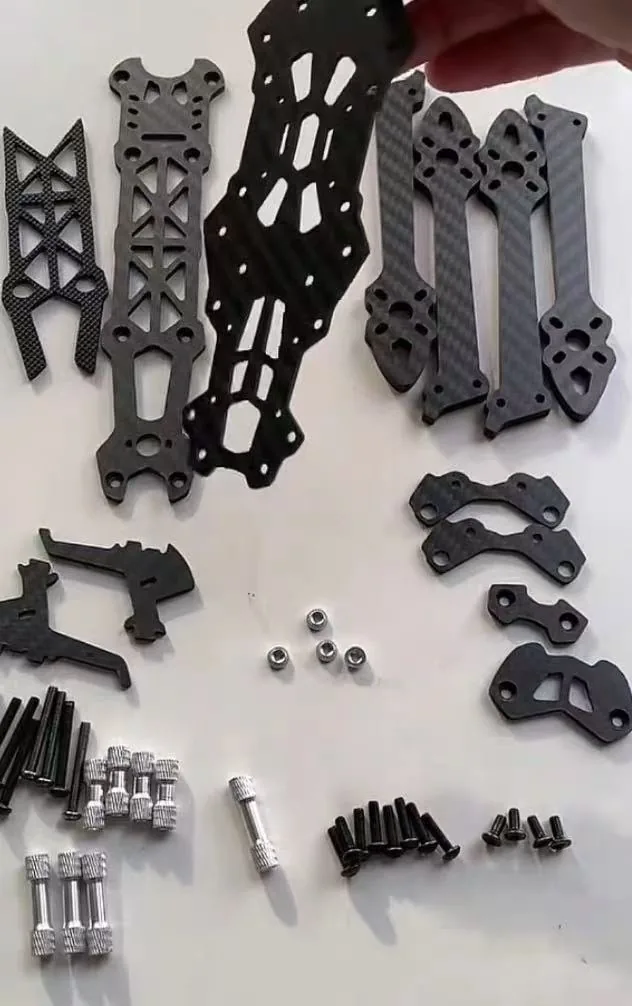
Separate Product from Process
A known part family does not automatically establish the manufacturing route. Confirm process suitability, sample expectations, change control, and production scope for the project.
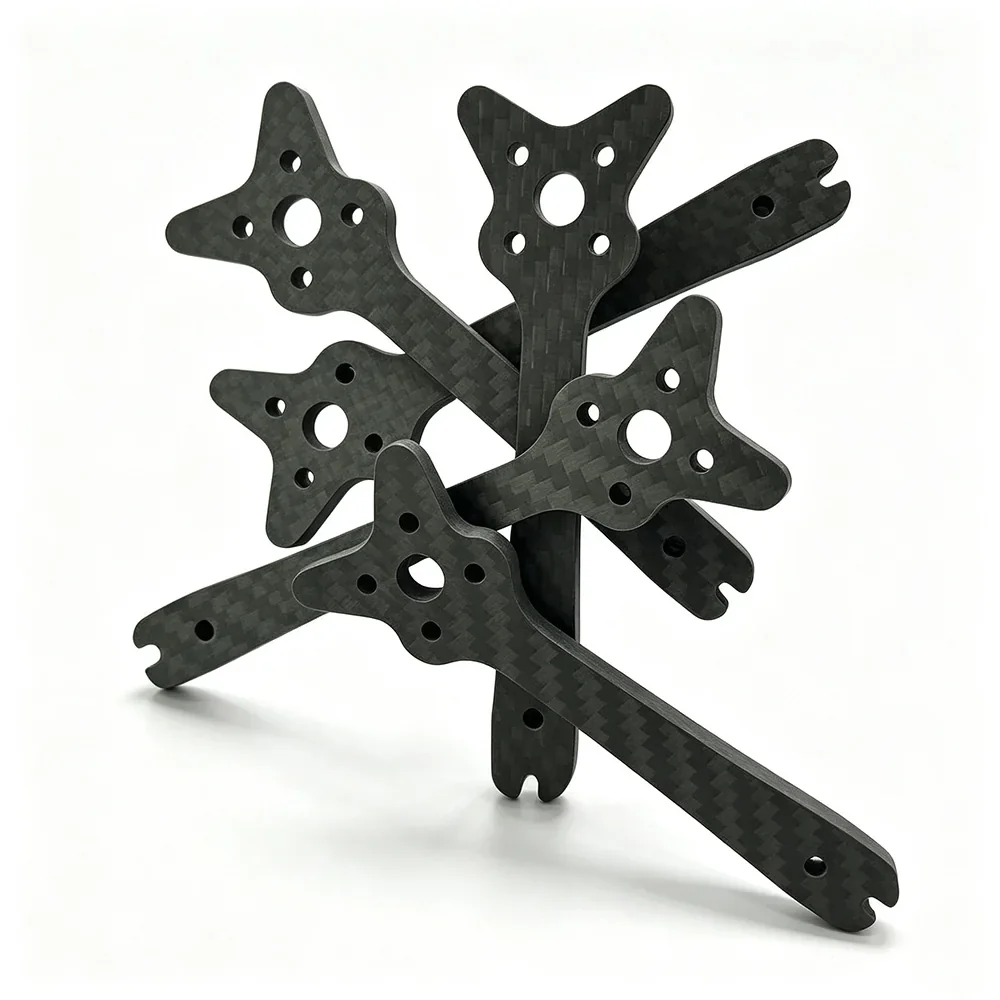
Control Project Information
Define confidentiality, drawing revision, file access, design ownership, photographic use, retention, and subcontractor-disclosure expectations before sensitive information is shared.
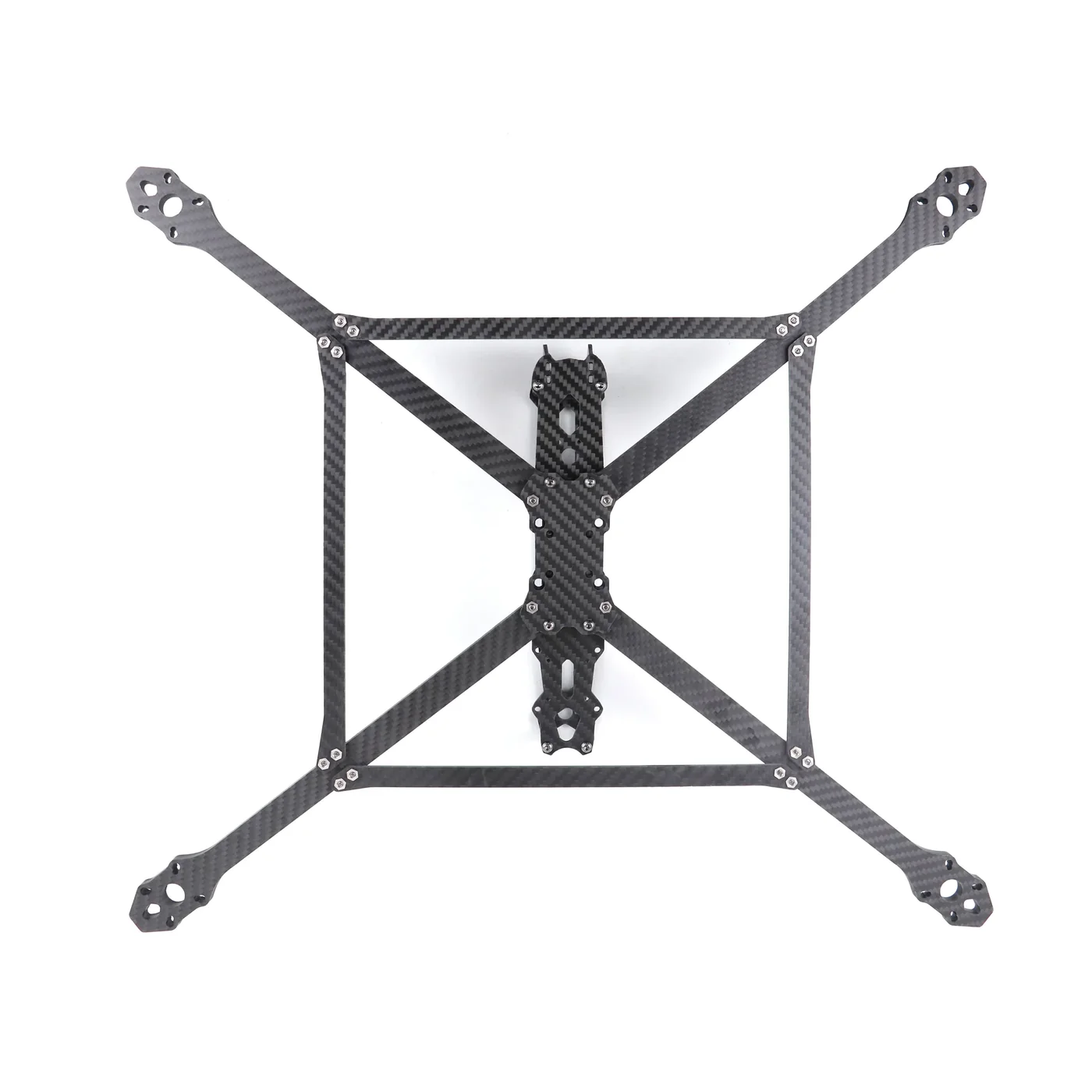
Match each decision to the information it needs
Choose the Next Sourcing Route
Use Products when the physical family is known; Custom Manufacturing when geometry or process still needs review; Applications when service conditions drive the design; and Resources when material or selection questions need background.
Explore Product AreasFrequently Asked Questions
These sourcing questions separate product-family selection, manufacturing review, and project-specific evidence so each decision can be verified before quotation.
What products are covered by the CFRPWorks website?
Custom carbon-fiber components, drone and UAV frames, and carbon-fiber sheets or plates. Each enquiry still needs its own geometry, material, availability, and qualification review.
What information should I send for a custom carbon-fiber project?
Start with a drawing or CAD file and revision, intended use, dimensions and interfaces, desired material or finish, quantity, and any load, inspection, or sample requirements.
How can I verify a supplier's certification or manufacturing scope?
Check the correct legal entity, issuing organization, applicable site, valid dates, and precise scope against the material, process, and product being discussed.
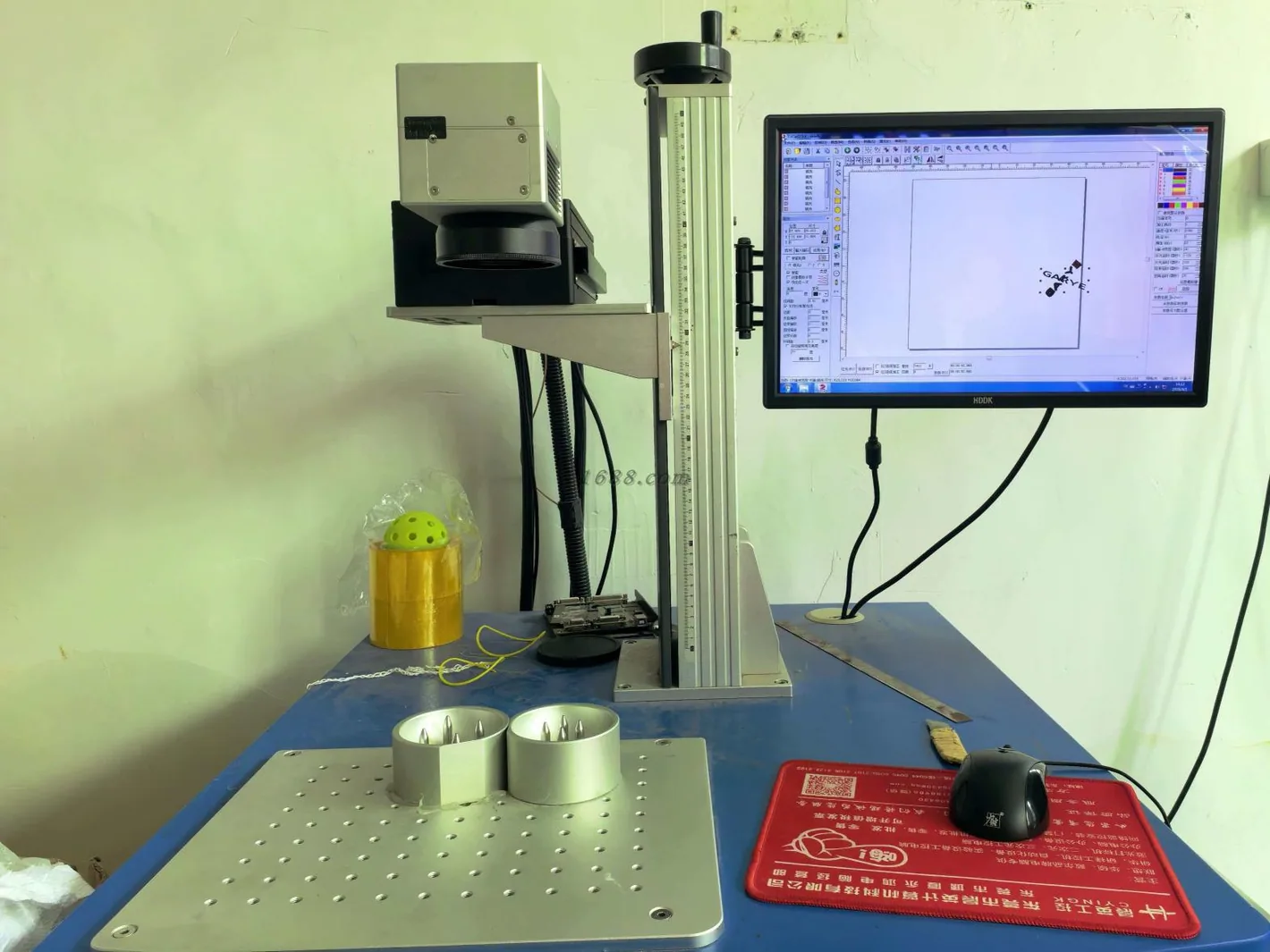
Verify the scope before treating evidence as qualification
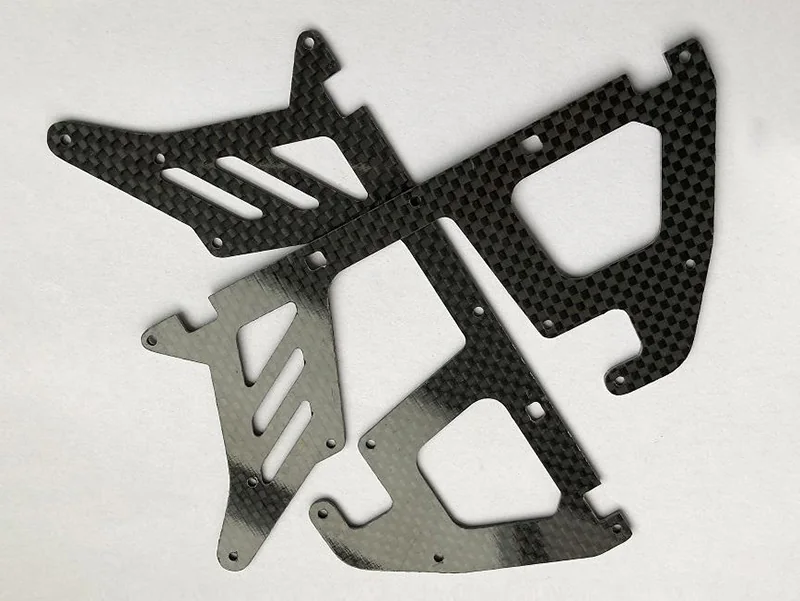
Carbon Fiber vs Aluminum: Weight, Stiffness and Design Trade-offs
Compare carbon fiber and aluminum for weight, stiffness, joints, impact, thermal behavior and cost—and see when CFRP is worth the added design complexity.
Carbon Fiber Price: Why Quotes Vary by Material and Finished Part
How material form, fabrication, machining, tooling, finishing, and quantity drive carbon fiber cost when comparing like-for-like quotations.
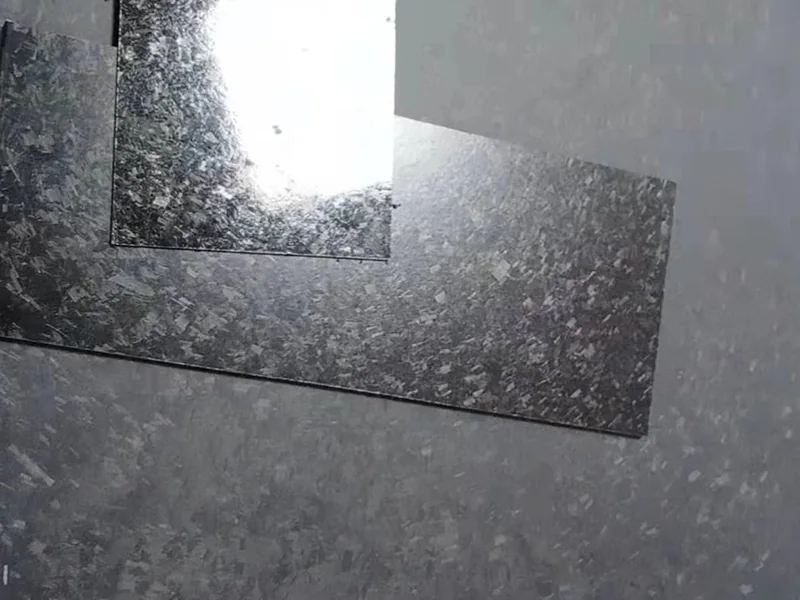
Forged Carbon Fiber vs Carbon Fiber: What Actually Changes?
Compare forged chopped-fiber carbon composites with continuous woven laminates: appearance, fiber architecture, performance evidence, shape and cost.