
Custom Carbon Fiber Manufacturing for Drawing-Led Projects
A custom carbon fiber project begins with a design requirement, not the assumption that one fabrication method fits every component. Shape, material construction, functional interfaces, repeat quantity and acceptance criteria all affect how a carbon-fiber-reinforced polymer (CFRP) part should be evaluated.
Designed for engineering, product development and sourcing decisions.
Define the part
Geometry, revision & functional fit
Evaluate the route
Material, process & quantities
Set acceptance
Inspection evidence & delivery scope
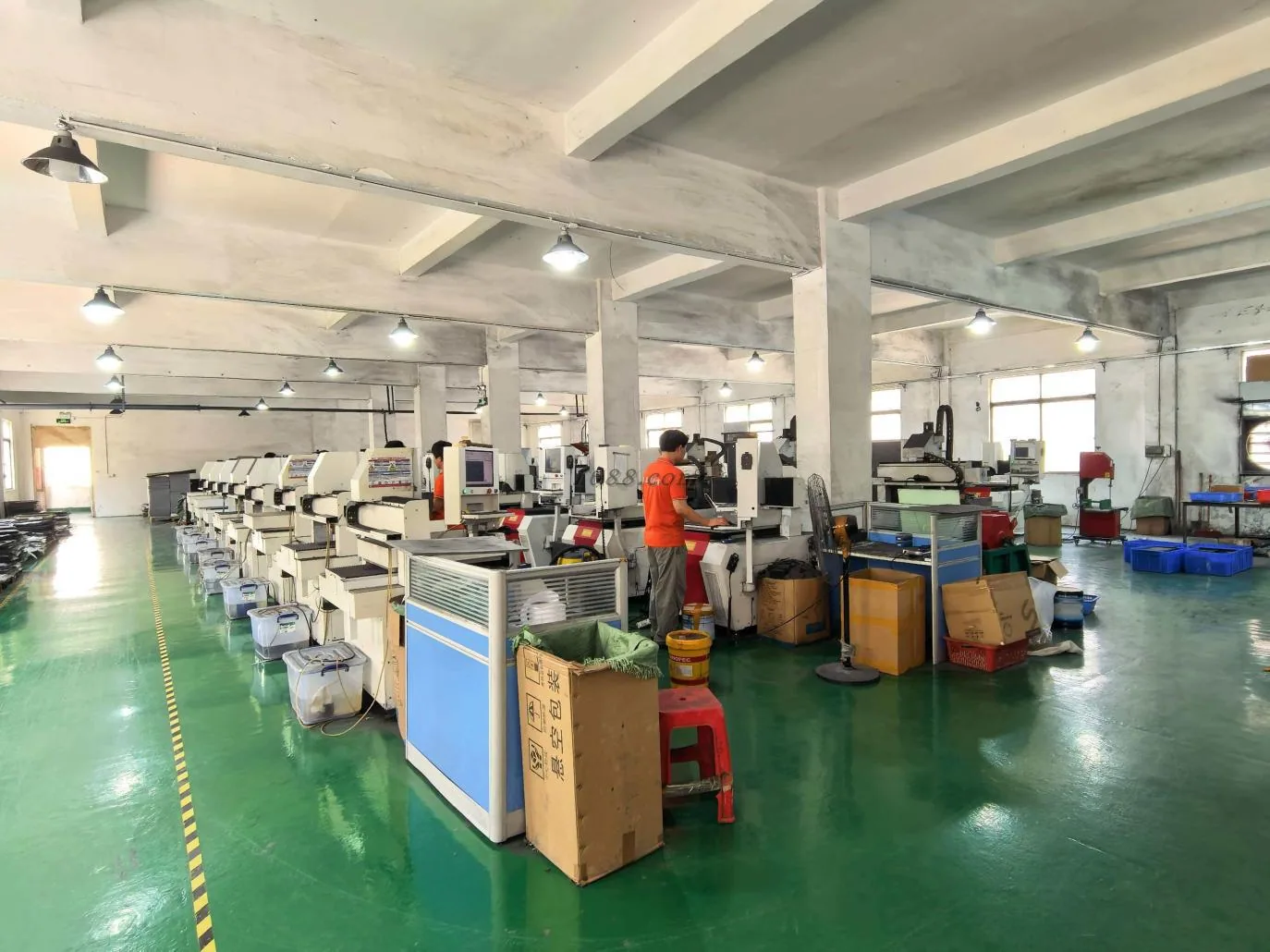 Workshop view
This manufacturing overview helps engineering, product-development and sourcing teams frame the questions needed for a project-specific feasibility discussion. It distinguishes a finished-product enquiry from four more specialized workstreams: machining, fabrication, prototyping and OEM/ODM coordination. A proposed manufacturing route and the party responsible for each operation still need to be confirmed against the actual project.
Start with the part's function and controlled geometry
A useful manufacturing brief identifies what the item must do and how success will be measured. Begin with a CAD model, dimensioned 2D drawing or physical reference. Mark the current revision and distinguish non-negotiable interfaces—such as hole positions, mating surfaces or assembly clearances—from characteristics that may remain open for review.
Then define the operating context. Expected loads, temperature, exposure, appearance and inspection requirements can alter the choice of materials and production approach. If the design is still at concept stage, state which assumptions are provisional. A visual sample may communicate appearance, but it does not specify internal laminate construction, tolerance or validated operating performance.
Different requirements need different levels of evidence. A surface finish target may be assessed visually; a structural acceptance criterion needs a suitable design and testing basis; a controlled mounting feature requires dimensioned inspection criteria. Identify the distinction before asking for a manufacturing quotation.
A current CAD model or dimensioned drawing
Critical features and fit requirements
Operating conditions and acceptance criteria
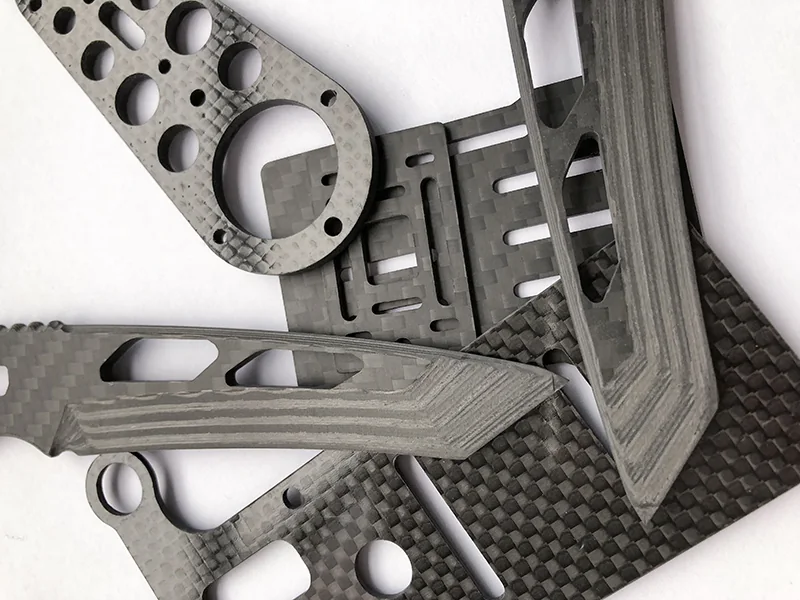 Workshop production benches
Identify the manufacturing workstream to investigate
Carbon fiber CNC machining and cutting
A defined plate or component needs profiles, holes or finished geometry
Starting material, part drawing, critical features, edges, fixturing and inspectable dimensions
Carbon fiber fabrication
A new component shape or assembly requires a composite production approach
Geometry, fiber/resin questions, laminate and finish targets, tooling and joining constraints
Carbon fiber prototyping
The design or material choice requires iteration before release
Current concept revision, trial objectives, sample quantity and criteria for the next iteration
Carbon fiber OEM/ODM project support
A product requires coordinated development, sourcing and ongoing change control
Ownership of drawings, revision approval, order forecast, documentation, quality and communication roles
These names describe distinct buyer decisions. They do not establish that a particular machine, forming technique, material system, tolerance or project size has already been approved for every enquiry.
A supplier may need to review geometry, available resources, in-house versus subcontracted operations and inspection capability before selecting a route. A component that looks simple in a rendering can still involve difficult undercuts, tight hole-to-edge distances, assembly constraints or part-to-part consistency questions.
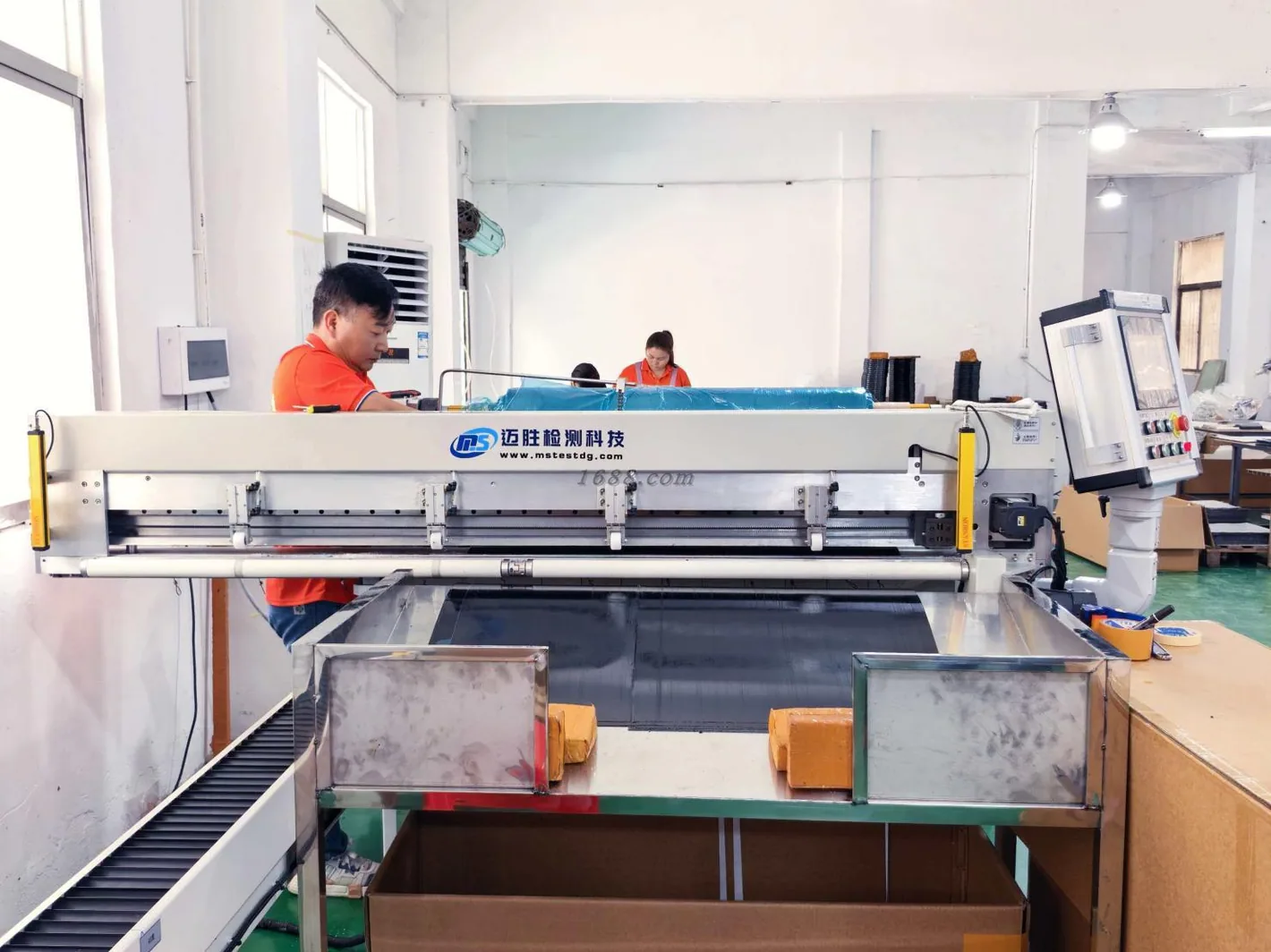
The operation follows the drawing
A workshop image provides context for a manufacturing discussion. Tooling, handling, dimensional targets and the actual process still need to be confirmed for each part.
Questions that affect process feasibility
There is no single universal CFRP manufacturing recipe. During early project review, separate these interdependent variables:
Material system and structure.
Are fiber type, resin system and laminate orientation prescribed, or must they be selected against requirements? A nominal carbon-fiber appearance does not answer this.
Geometry and manufacturability.
Which surfaces, corners, holes or joints are critical? Are special tooling or part holding arrangements necessary to maintain those features?
Quantity and repeatability.
Is the objective one demonstrator, a small qualification run or repeated supply? The answer can change the economic and inspection questions without creating a guaranteed MOQ.
Surface and edges.
Is cosmetic appearance a requirement, or do edges and drilled features carry functional constraints? These should not be combined into a vague "premium finish" request.
Proof of acceptance.
Which drawing features, material records, environmental conditions or test outcomes must be documented for the actual component?
A supplier's example part, machine photo or material brochure is not a substitute for reviewing these requirements together. In particular, numbers reported for one laminate, cure process or specimen cannot be assumed to apply to a different shape or construction.
What to ask a contract manufacturer to substantiate
Before authorizing tooling or placing a repeat order, request evidence tied to the proposed scope rather than relying on general supplier descriptions.
Who is responsible?
Confirm the contracting party and which operations will be carried out by that entity or by qualified partners. This matters for changes, documentation and corrective actions.
Which process is being proposed?
Ask why it fits the part's geometry, material, quantity and acceptance requirements. Record any constraints that remain conditional on sample or trial work.
How will the delivered part be identified?
A drawing revision, agreed material description, bill of materials where relevant, and inspection plan help ensure the delivered item matches what was quoted.
Which records demonstrate conformity?
Request actual applicable material, dimensional, inspection or test evidence. If a certification is necessary, check its issuer, holder, validity and scope. Neither a badge nor a test report for a different configuration establishes compliance for the requested part.
A project-specific evidence request is not a statement that any particular factory currently holds those credentials or can perform every listed test.
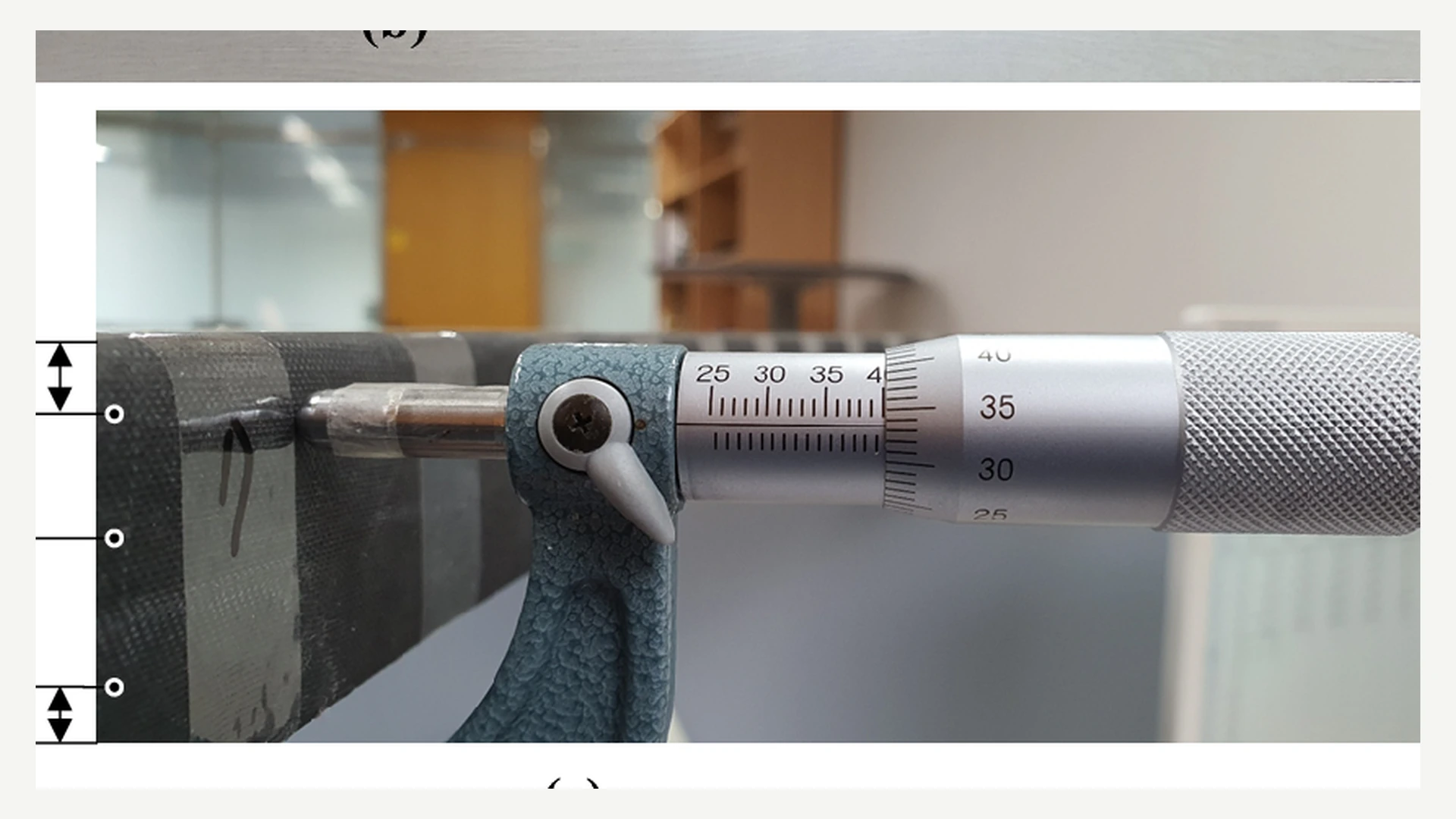
Evidence belongs to the actual part
Measuring equipment is shown for workshop context. A photograph alone does not establish a test method, calibrated result, inspection coverage or certification for a proposed component.
Prepare a useful custom-manufacturing RFQ
A clear brief starts a better conversation.
Send enough information to distinguish a technical review from a price guess:
The public enquiry route will be activated when the corresponding page is released.
Project stage:
concept, working prototype, approved production drawing, or an existing part needing a manufacturing review.
Technical definition:
geometry/CAD revision, functional fit, material choices, surface requirements and what is not yet specified.
Conditions and acceptance:
use environment, critical features, applicable standards and records required at the agreed stage.
Volumes and targets:
prototype or trial quantities, expected repeat demand and a requested schedule, not an assumed lead time.
Ownership and confidentiality:
authorized contact, design ownership, document revision and a separately agreed secure way to transfer restricted files.
Clarify which elements must be settled before feasibility or pricing can be confirmed. A project discussion can be productive without a completely frozen design, provided the unknowns are identified rather than silently filled in.
When the Products overview is the better starting point
If you already know you need a physical family—such as a custom part, a drone frame, a flat sheet or a sheet cut to a controlled drawing—begin with that deliverable. Use this manufacturing overview when your main uncertainty concerns material/process selection, prototype development, coordination or the path from design requirements to repeated production.
Those are complementary sourcing questions, not interchangeable SEO topics. Detailed machinery, process selection and family-specific specifications should be considered within their dedicated workstreams and backed by evidence for the real project.
Frequently asked questions
Can I begin a custom project without a production-ready drawing?
You can describe a concept, model or sample and identify the open decisions. A final offer for critical fit or performance still needs agreed geometry, material and acceptance criteria. A feasibility conversation does not certify the unfinished design.
Is prototyping the same as approval for repeat production?
No. Prototype objectives may concern fit, visual appearance or design learning. Repeat production adds questions about controlled revisions, material consistency, tooling, inspection and supply scope. Define the acceptance criteria for each stage.
Does every carbon-fiber part require the same manufacturing method?
No. Geometry, laminate requirements, tooling, quantity and acceptable variability influence which process can be considered. An appropriate route must be verified against actual available capability and the required outcome.
How should I evaluate manufacturing quality claims?
Ask for documents connected to the precise part, operation and acceptance condition. A general certification, equipment image or another customer's test result does not automatically demonstrate compliance for your configuration.
Discuss Custom Project
Describe the intended component or assembly, current drawing revision, critical interfaces, material questions, prototype and repeat quantities, and the evidence needed for acceptance. A scope review can then identify the decisions, documentation and commercial questions that must be resolved for the particular project.
Email Your Project Brief ↗1. Geometry & current revision
2. Material and use conditions
3. Prototype / repeat quantities
4. Evidence for acceptance