
APPLICATIONS / AEROSPACE
Carbon Fiber in Aerospace Industry: Start with the Part's Role
Carbon fiber in the aerospace industry spans very different engineering and procurement tasks. An aircraft load path, a cabin fitting and a ground-support fixture may each use carbon-fiber reinforced polymer (CFRP), but their design and evidence obligations differ. Begin with the function and consequences of failure, then define the relevant operating conditions, evidence and approval authority.
CFRP combines reinforcing fibers with a matrix, often a polymer resin. Its potential for high stiffness relative to mass makes it relevant to many aerospace designs, but finished-part performance is established through the laminate, geometry, joining method and verification—not by the term aerospace grade alone. This engineering overview does not establish that CFRPWorks has delivered or qualified aircraft components for a particular program.
A component or process image is not evidence of CFRPWorks aircraft delivery, aviation certification or program acceptance.

Illustrative machined CFRP workpiece; not a flight-approved component.
01 / COMPONENT ROLE
Identify the component class before discussing material
01
Flight-load-bearing structures
Engineering decision. Can the engineered composite meet the relevant structural and damage-tolerance objectives?
Design authority questions. Which loading assumptions, design allowables, service-life conditions and substantiation/approval responsibilities apply?
02
Secondary or nonflight components
Engineering decision. Does the part need dimensional stability, stiffness, environmental durability or limited load capacity?
Design authority questions. What happens after failure, and what fastening, inspection and acceptance criteria are specified?
03
Cabin or interior assemblies
Engineering decision. Are mass, appearance, impact, heat or fire/smoke requirements relevant to this specific installation?
Design authority questions. Which installation-specific environmental, test and configuration records are specified by the relevant program?
04
Ground-support or manufacturing fixtures
Engineering decision. Can the fixture maintain alignment and usable interfaces during handling and repeat work?
Design authority questions. What are the datum scheme, wear conditions, contact surfaces, inspection and service requirements?
A ground-support fixture is not automatically subject to the same approval path as a flight-critical structure. Conversely, a non-load-bearing cabin part is not automatically exempt from environmental or installation requirements. The applicable project requirements and authority must be identified before asking any supplier to attest compliance.
02 / ENGINEERING CHECKS
Five technical checks before specifying a composite
Design acceptance depends on the full configuration, interfaces and use environment—not the fiber name or a coupon test in isolation.

Fiber-direction material illustration; not aerospace substantiation data.
01
Load paths and laminate direction
Fibers carry load differently along and across their orientation. Designers must evaluate bending, compression, shear, buckling, bearing loads and local discontinuities where applicable. Coupon-level material results cannot, by themselves, establish the behavior of a joined, geometry-specific part.
02
Installed mass and structural efficiency
Compare the full assembly, including attachments, core materials, protective layers and any necessary inserts. The completed design, not the density of an isolated ply, determines whether the weight and cost trade-off is justified. Required stiffness, damage tolerance, inspection and production yield are all part of the choice.
03
Impact and hidden damage
Composite parts can experience internal damage, including delamination, after certain impacts. The suitability of visual inspection alone depends on the design and specified inspection process. Where failure has material consequences, agree the damage-assessment, repair and continued-service decision process with the responsible engineering organization.
04
Environment and material system
Temperature, moisture, fluids, UV exposure and thermal cycling should be specified for the application. Specify operating limits for the chosen resin, adhesive, core and surface system instead of inferring them from the fiber alone. Cabin fire, smoke or other criteria should be checked against the actual end use rather than assumed to apply identically to every aerospace item.
05
Connections and interfaces
Fastener holes, adhesive joints, dissimilar metal contacts, edge conditions and local inserts can govern performance. Document mounting loads, tolerances, datums and access for inspection. A laminate with promising coupon properties can still require substantial joint and assembly development.
The relevant comparison is not simply carbon fiber versus metal. It is the designed, inspectable and supportable assembly under the same functional requirements.
03 / EVIDENCE AND AUTHORITY
Separate material evidence from program acceptance
For aerospace procurement, a generic material description opens the qualification discussion; it does not close the supplier or finished-part evidence review. Depending on the part's role and the applicable project, the buyer may need to define:
01
Configuration authority
controlled drawings, revision history, dimensions, material and manufacturing specifications.
02
Material identification
resin/fiber system, laminate construction and what lot or certificate records are actually required.
03
Verification method
dimensional inspection, documented material testing, engineering analysis, first-article checks or other program-specific evidence.
04
Process control and traceability
the records necessary to confirm that the supplied configuration matches the approved requirement.
05
Approvals and responsibility
the design organization, customer and, where relevant, regulatory body responsible for deciding acceptance.
Certification and evidence boundary
FAA advisory material on composite aircraft structures provides context for evaluating some aircraft designs; it is not a certificate issued to a supplier. For any requested quality-system or special-process approval, verify the issuing body, the supplier's legal identity, approved scope, status and contractual relevance. No such approval or aerospace delivery record is asserted here for CFRPWorks.
04 / DOCUMENTED INTAKE
Prepare an aerospace application inquiry
The most useful first discussion starts with a bounded engineering brief, not an assumed aircraft qualification.
Part function
Flight or ground use, criticality, installation and consequence of failure.
Drawings and definition
Part number, revision, 2D/3D information, datum scheme, mating features and any controlled design data.
Material status
Specified laminate/resin and process requirements, or parameters still open to evaluation.
Service envelope
Loads, vibration, temperature, humidity, fluids, handling and maintenance conditions when known.
Acceptance requirements
Tolerances, inspection/test scope, documentation, design or customer approvals and any relevant qualification basis.
Commercial context
Prototype versus released production, quantity, tooling or sample assumptions, schedule target and confidentiality constraints.
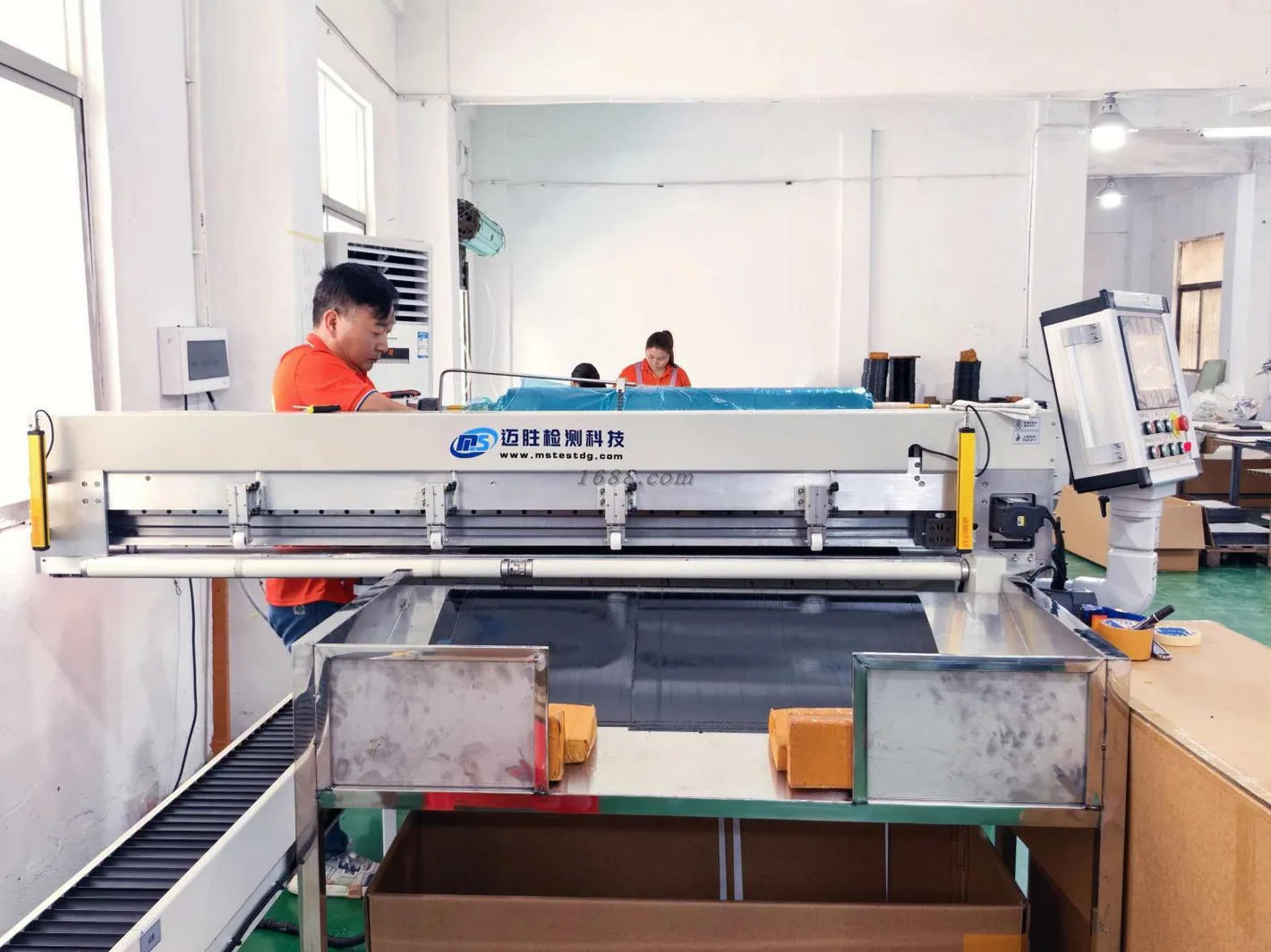
Generic composite machining context; not an approved aviation process or aircraft program evidence.
If approval requirements have not been defined, identify the responsible organization before implying that a quote covers a compliant aircraft part. If a drawing is controlled or export-sensitive, confirm the appropriate authorized communication and file-transfer arrangements before sharing it.
05 / NEXT SOURCING DECISION
From the application question to the correct sourcing route
An aerospace application label is not enough to select a quoteable product configuration. A flat sheet, a drawing-controlled finished component and a manufacturing feasibility question have different procurement inputs. The broader Applications page helps route industry questions; the project RFQ is the place to state the intended part function and evidence requirements once a suitable intake channel is verified. General product pages should not be read as aerospace qualification statements.
Review other application paths
Return to the approved Applications hub to compare engineering contexts without assuming aerospace approvals.
Applications overview →State an aerospace part-role brief
The required procurement next step should identify the part's function, revision, operating conditions and approval authority.
Discuss application requirements →06 / BUYER QUESTIONS
Aerospace carbon-fiber FAQs
Does using carbon fiber make a part aerospace-qualified?
No. The chosen reinforcement does not replace the specified part design, acceptance tests or responsible program approval. Those requirements must be identified and documented for the actual part.
Are cabin panels and primary flight structures evaluated the same way?
Not necessarily. They can differ in structural consequence, fire or impact exposure, maintenance and required documentation. The actual installation and approval basis decide what applies.
Can a supplier's generic material data sheet serve as a finished-part test report?
No. A material data sheet can inform material selection but cannot establish the geometry, joints, laminate quality or inspection status of a specific finished part.
What should I request before discussing fabrication of an aerospace fixture?
Define the fixture's purpose, reference datums, contact conditions, service loads, acceptable dimensional change, inspection method and whether it is ground-only or interfaces with controlled aircraft production. Feasibility and any supplier-specific capability require confirmation.
Can an aerospace certification be inferred from a manufacturer's marketing or from an aircraft example?
No. Confirm the issuing organization, covered legal entity, scope, validity and applicability to the particular part and program. Third-party aircraft and material examples are not evidence of this brand's approvals.
CONTEXTUAL INQUIRY
Discuss application requirements
Discuss Application Requirements. Bring the current controlled design definition, part role, environment, quantity and acceptance criteria. Ask which information and support can be confirmed for the specific request; no unverified production, testing, certification or document-transfer promise is made here.
07 / TECHNICAL REFERENCES
Further reading
SKYbrary — Carbon Fibre Reinforced Plastics — aviation-specific materials and safety background.
FAA — Composite Aircraft Structure, AC 20-107B — official advisory context; relevance depends on the aircraft and certification project.
Airbus — Composites: Shaping the Future — example of a different organization's experience, not a CFRPWorks case study.
SKYbrary, the FAA and Airbus describe external technical context or other organizations' experience; their publications do not prove CFRPWorks aerospace qualifications.