
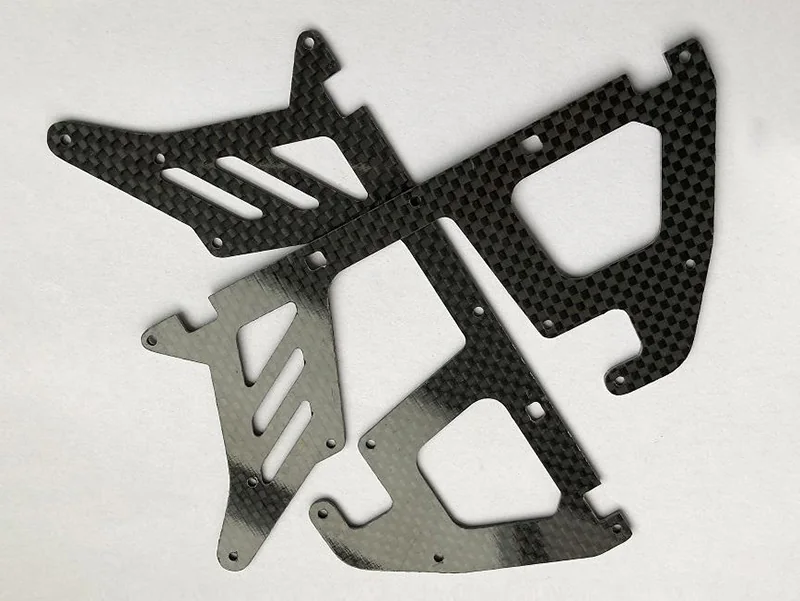
Carbon Fiber vs Aluminum: Weight, Stiffness and Design Trade-offs
Compare carbon fiber and aluminum for weight, stiffness, joints, impact, thermal behavior and cost—and see when CFRP is worth the added design complexity.
A useful carbon-fiber reading path starts by distinguishing reinforcement fiber, intermediate fabric, a cured laminate and the finished component. These guides organize the questions behind material selection, part preparation and a sourcing request.
The overview is not a substitute for grade-specific data sheets, design calculations, controlled drawings or part-specific acceptance tests.
Work from definitions to process constraints, then to the evidence needed for a drawing or quote. Each track below previews the planned guides; articles appear in the published library once approved.
Separate carbon fiber reinforcement from a CFRP laminate and a finished component. Build the language for a meaningful technical discussion.
Topics: What Is Carbon Fiber? · Types of Carbon Fiber · How Carbon Fiber Is Made
Explore strength, stiffness, loading direction, sheet sizing and machining. A generic fiber-property figure cannot replace a part-specific evaluation.
Topics: Carbon Fiber Strength & Properties · How to Cut Carbon Fiber · Sheet Size & Thickness Guide
Evaluate reinforcement architecture, geometry, process controls and the factors behind a custom-part quotation.
Topics: Forged vs Conventional Carbon Fiber · Carbon Fiber Cost Factors
Start with the knowledge gap in your project, then identify the drawing inputs, test conditions and manufacturing evidence that still need confirmation.
Begin with what carbon fiber is, how reinforcement types differ, and how fibers become a finished composite. The word “carbon fiber” alone does not define the properties of a cured part.
Review directional strength, laminate thickness, support and fastening conditions, plus how cured material will be trimmed or drilled safely.
Compare continuous-fiber laminates with chopped-fiber molded architectures, then connect material, tooling, finishing, inspection and quantities to a specific quotation.
The articles below populate automatically as each technical guide passes its content and evidence review. If the list is empty, the guide series is still being prepared.
Compare carbon fiber and aluminum for weight, stiffness, joints, impact, thermal behavior and cost—and see when CFRP is worth the added design complexity.
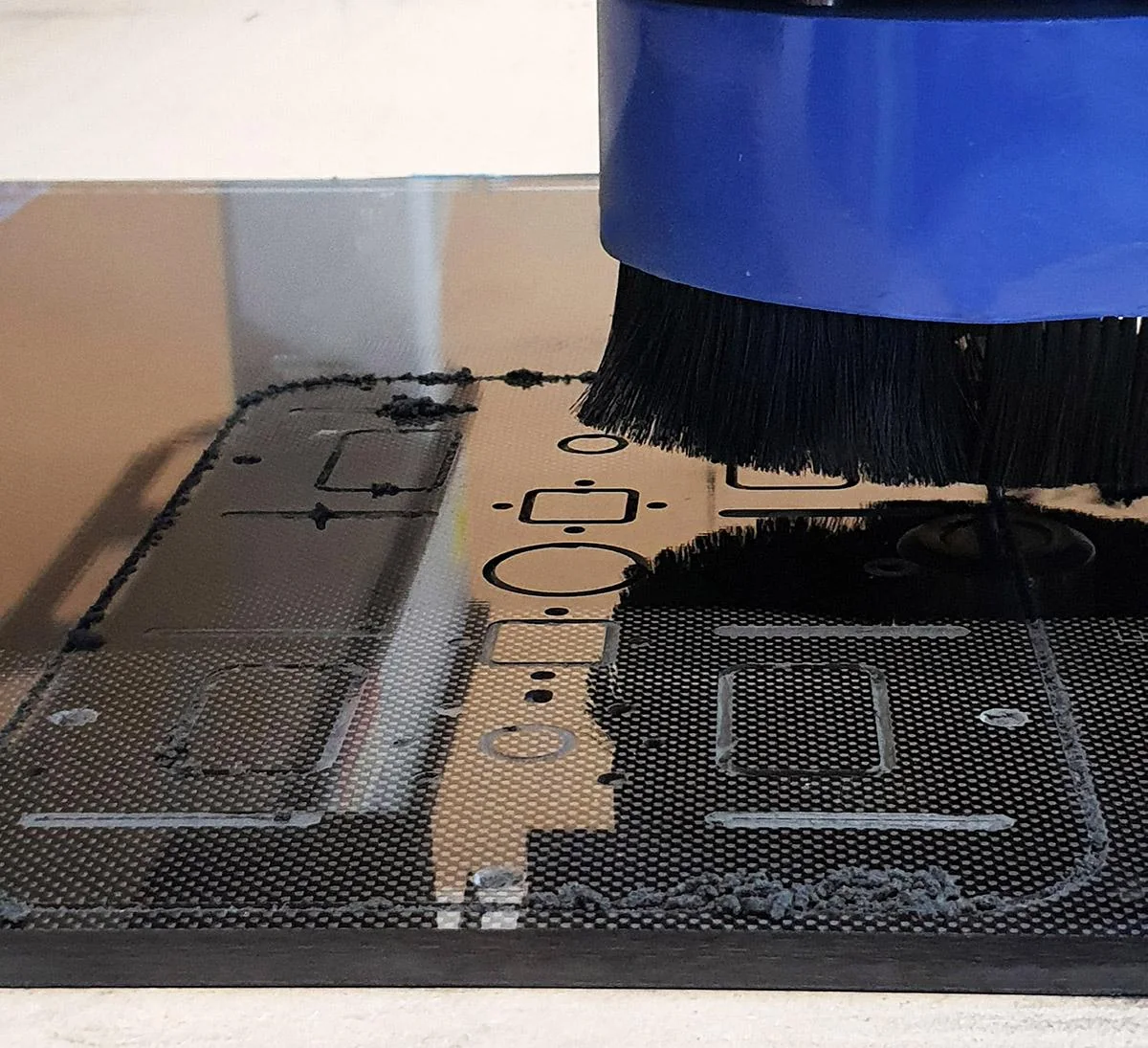
How material form, fabrication, machining, tooling, finishing, and quantity drive carbon fiber cost when comparing like-for-like quotations.
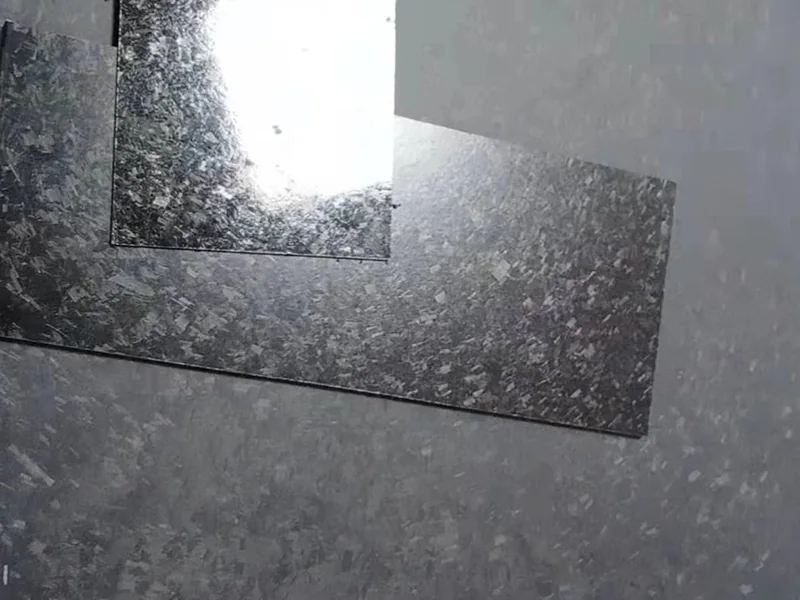
Compare forged chopped-fiber carbon composites with continuous woven laminates: appearance, fiber architecture, performance evidence, shape and cost.
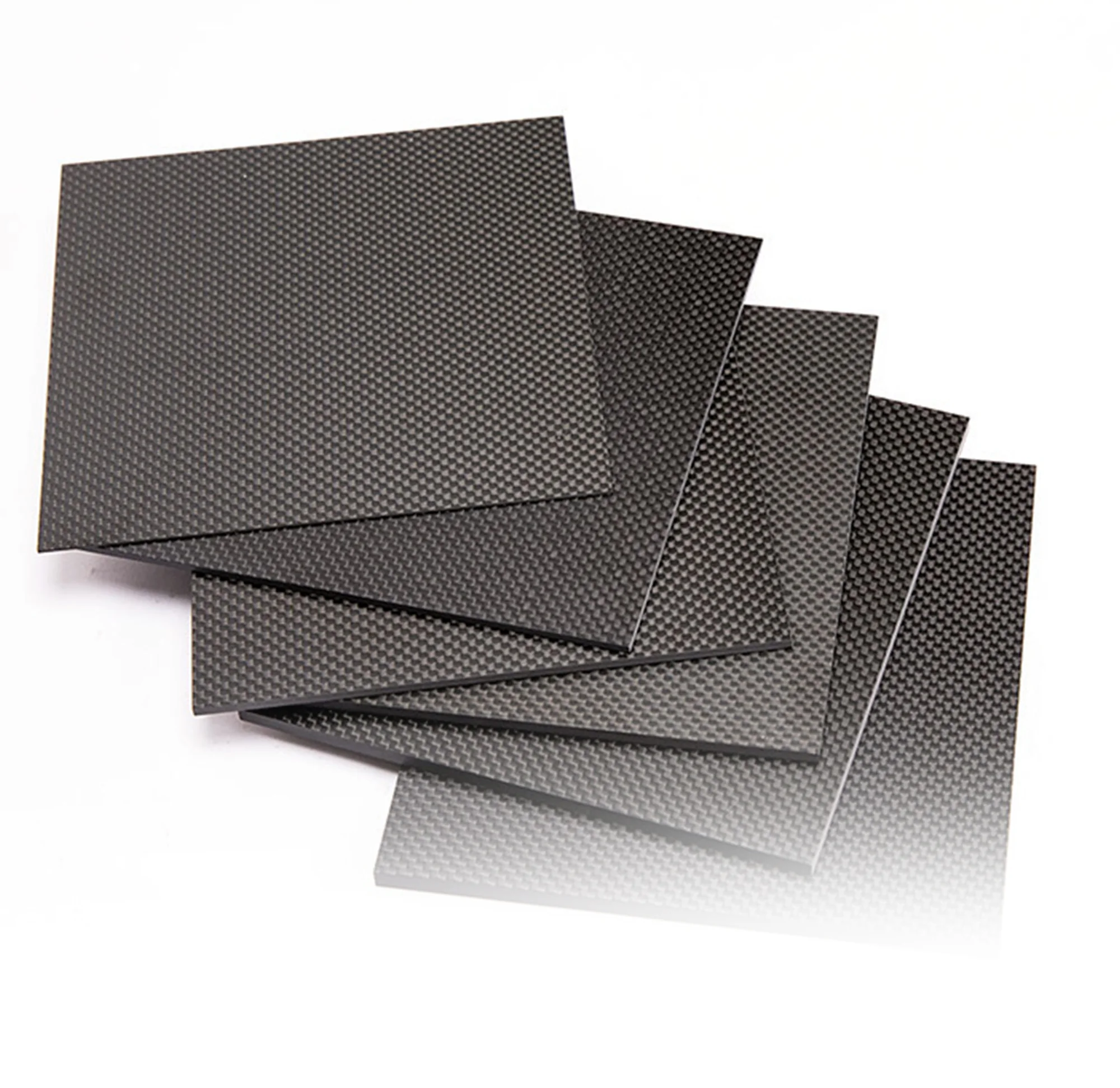
A practical guide to choosing carbon-fiber sheet thickness and dimensions by span, load, layup and manufacturing constraints.
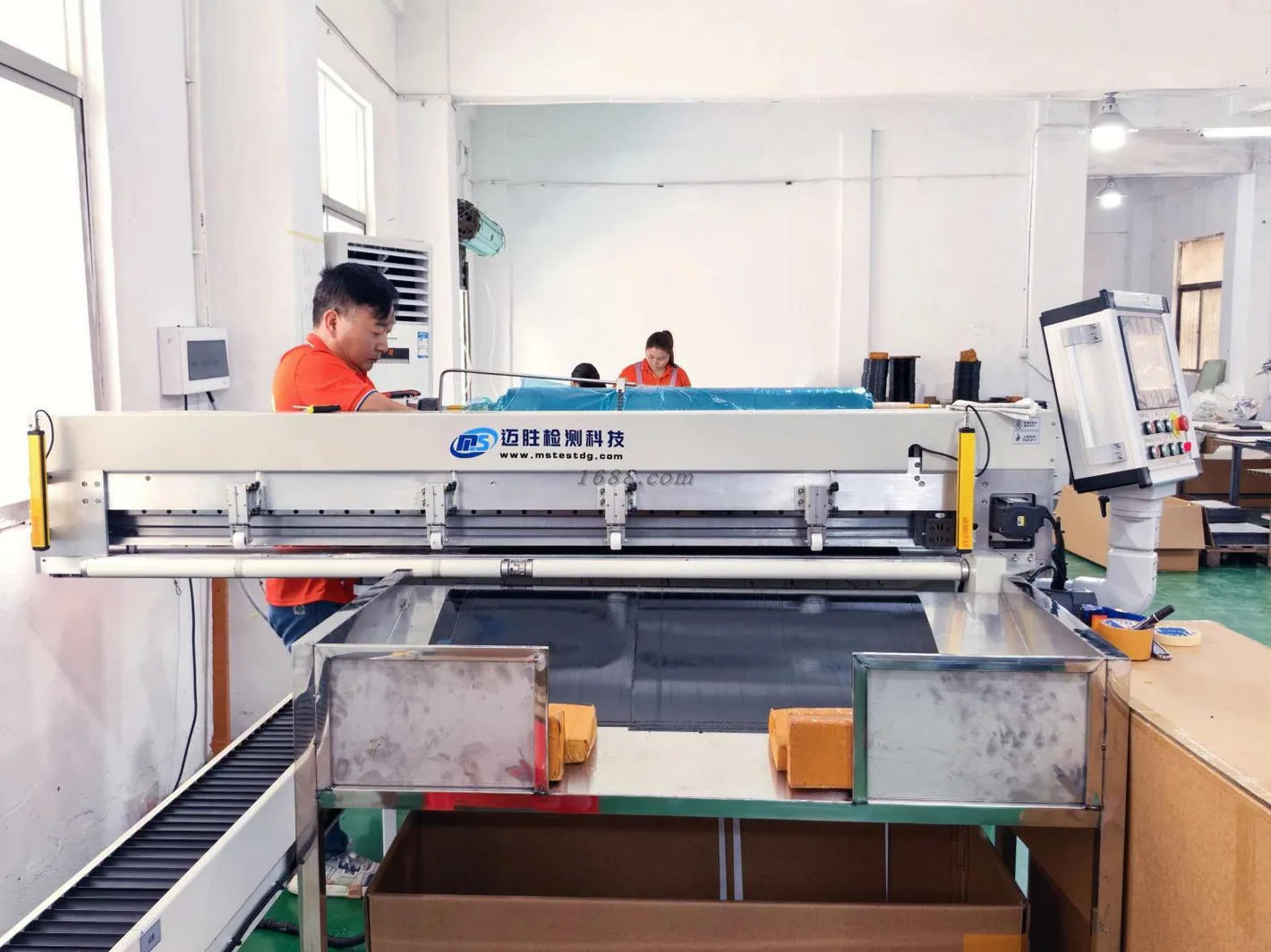
A practical guide to cutting cured carbon-fiber composites, choosing suitable tools, controlling dust, preventing delamination and checking edge quality.
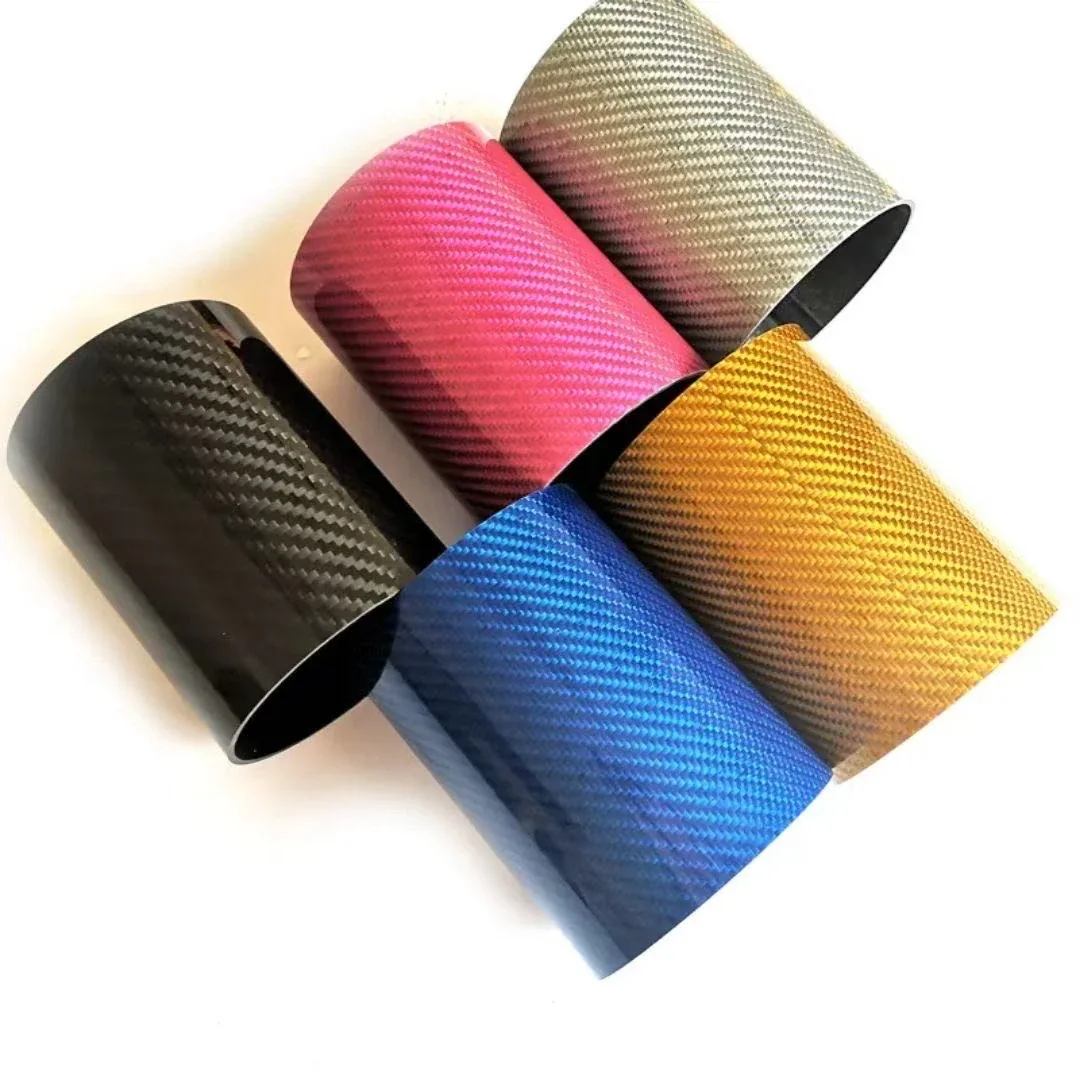
Understand carbon fiber strength, stiffness, fiber orientation, and testing evidence—and why fiber datasheets do not rate finished composite parts.

Follow the two carbon fiber manufacturing chains: converting PAN or pitch precursors into fiber, then making composite parts through layup, matrix processing, curing, and finishing.
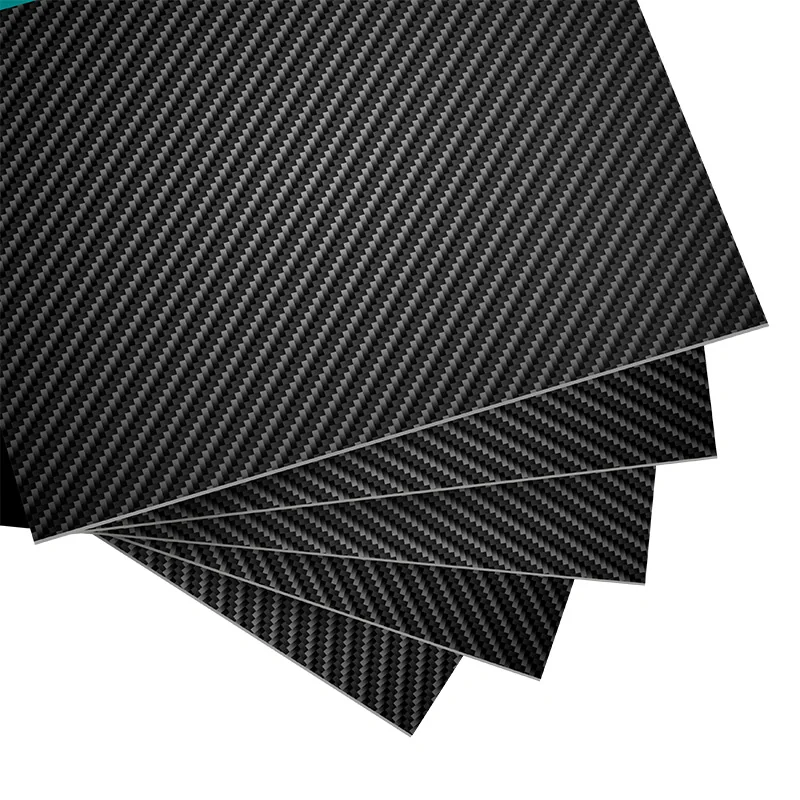
Understand carbon fiber types by precursor, fiber grade, reinforcement form and finished laminate design. Compare PAN, pitch, modulus, tow, UD and woven fabric without assuming a finished part’s performance.
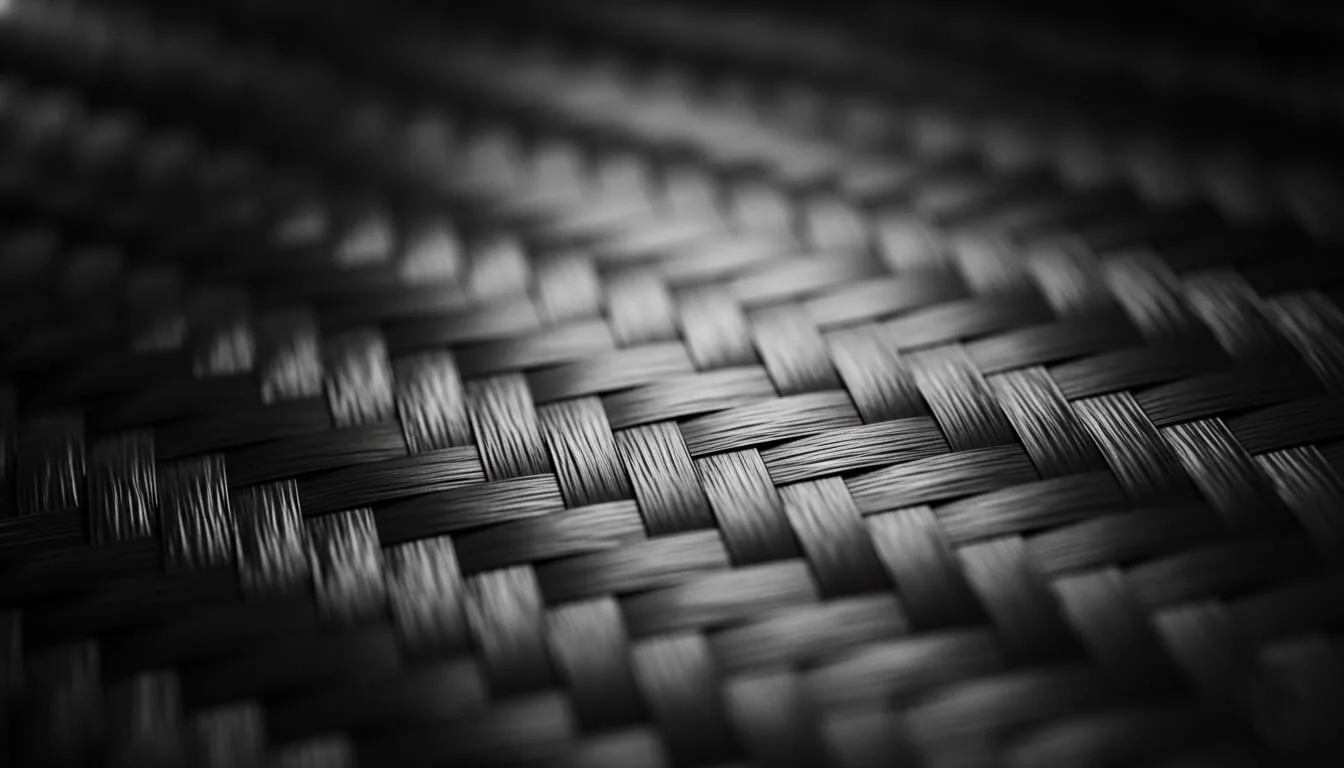
Understand carbon fiber as reinforcement, how it differs from a cured CFRP part, why resin and fiber direction matter, and what to specify before sourcing.
A general guide can explain an engineering concept but cannot confirm a supplier’s stock, grade, test results or production capacity. Use drawings, material requirements and acceptance criteria when moving into a specific product or manufacturing discussion.
Start with the material fundamentals, types of reinforcement and how the composite is manufactured. Then focus on the mechanical properties and fabrication requirements of your actual part.
No. Fiber orientation, laminate construction, support conditions, geometry and test methods also affect a sheet’s behavior. Evaluate the part’s design conditions and supporting evidence.
No. A quotation also depends on drawings, material selection, quantities, processing, finishes and inspection scope.
Fill out the form below, and we will be in touch shortly.