
Reinforcement & resin sourcing
Clarify what material is purchased and how grade or lot identity is handled when the specification requires it.
Buyer question · Which material evidence is relevant to this order?
A useful factory review connects the proposed part to a real operator, location, process route and acceptance method. Machinery photos can show visible context; they do not, by themselves, prove ownership, capacity, tolerance, certification or suitability for your project.
Operator + site + responsibility
Drawing → material → processing
Part-specific inspection evidence
This page is a supplier-qualification framework supported by first-party workshop imagery. It is not a claim that every pictured operation applies to every CFRPWorks project or that the facility has passed a particular customer audit.
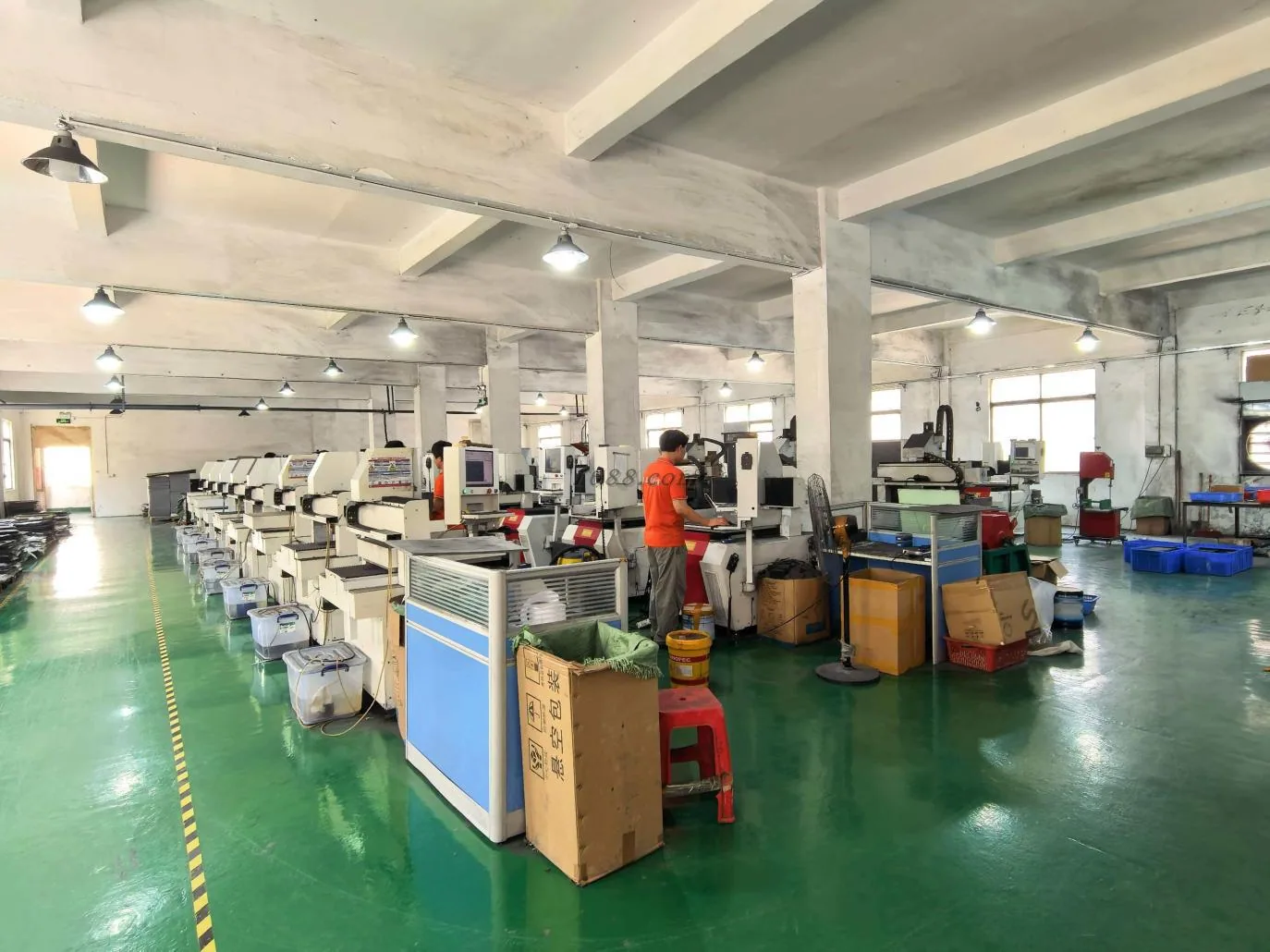
Factory-supplied manufacturing workshop view. Visible workspace context only; project scope must be confirmed separately.
Raw-fiber production and composite-part manufacturing are different industrial activities. A part supplier may purchase fiber, fabric, prepreg, resin or laminate and then perform only the operations relevant to the design. Qualification starts by identifying the actual scope instead of assuming the supplier makes its own carbon fiber.
Clarify what material is purchased and how grade or lot identity is handled when the specification requires it.
Buyer question · Which material evidence is relevant to this order?
Identify the reinforcement form, tooling assumptions and manufacturing steps that actually apply to the proposed geometry.
Buyer question · Which process stages are part-specific?
Separate in-house work from outside shaping, cure, coating, finishing or other steps that require supplier oversight.
Buyer question · Who controls each handoff and revision?
Define which drawing characteristics or agreed tests determine whether the finished article is accepted.
Buyer question · What evidence will identify the accepted sample or lot?
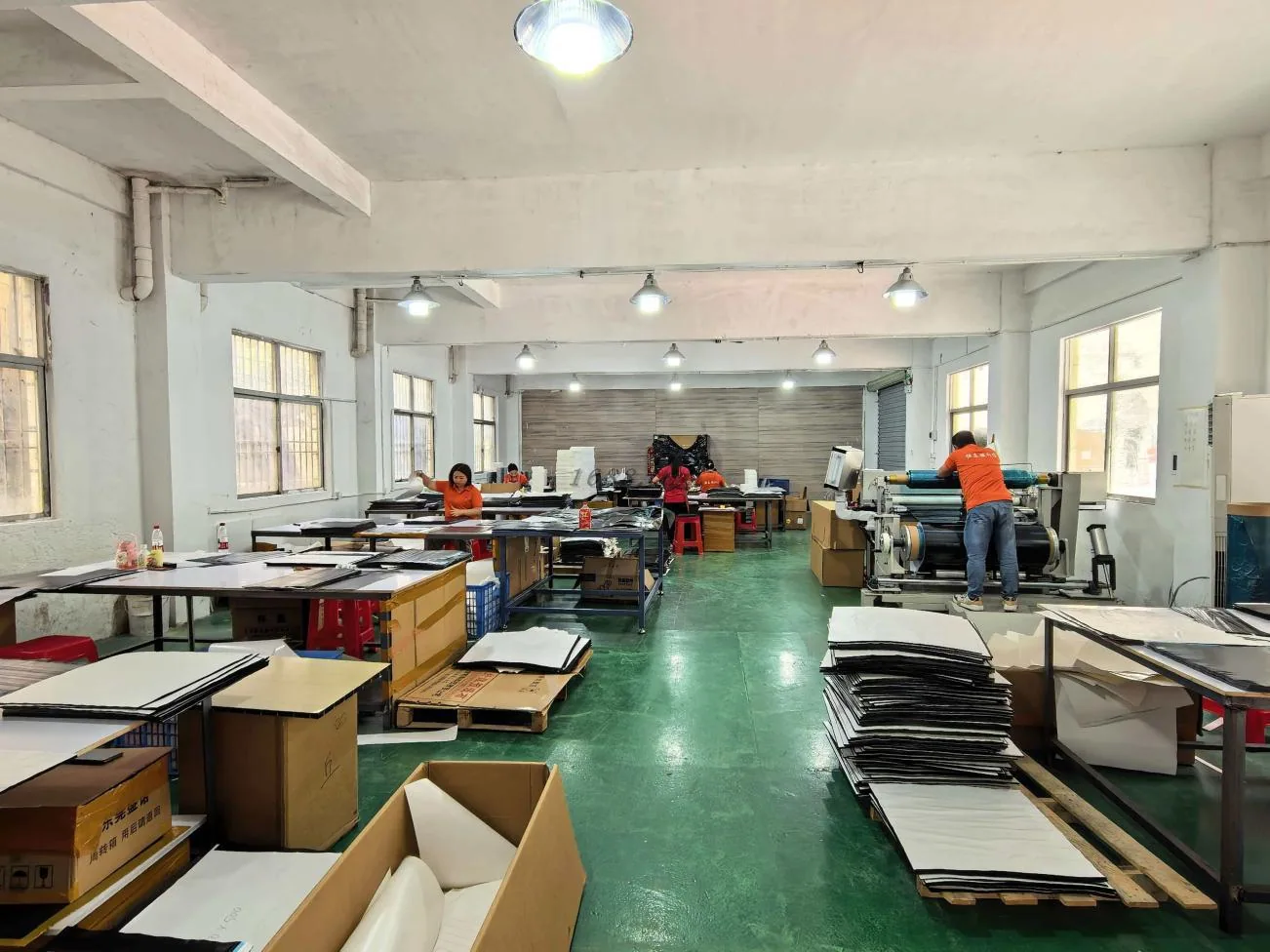
Factory-supplied workshop assembly area. A facility image should be tied to the responsible operator, location and proposed work before it is treated as qualification evidence.
Identify the legal entity that would contract for the work, the operator of the proposed production site and the location handling the relevant operations. A brand used for sales, a plant operator and an outside processor may not be the same party.
When confidentiality permits, one anonymized job route can reveal more than a broad equipment tour. Use the checkpoints that match the process and risk, and ask how each record stays connected to the correct part revision.
Confirm drawing revision, material callouts, interfaces and deviations requiring buyer approval. Check how superseded revisions are prevented from returning to production.
Where traceability is required, connect purchased laminate, fiber, resin or other input to the part or lot and record handling requirements appropriate to that material system.
Identify the route through forming, cutting, machining, assembly or external finishing as applicable. Do not infer a specific machine or cure method from a generic capability label.
Define how agreed characteristics are examined, how results are tied to the identified part or batch and who may approve an exception before shipment.
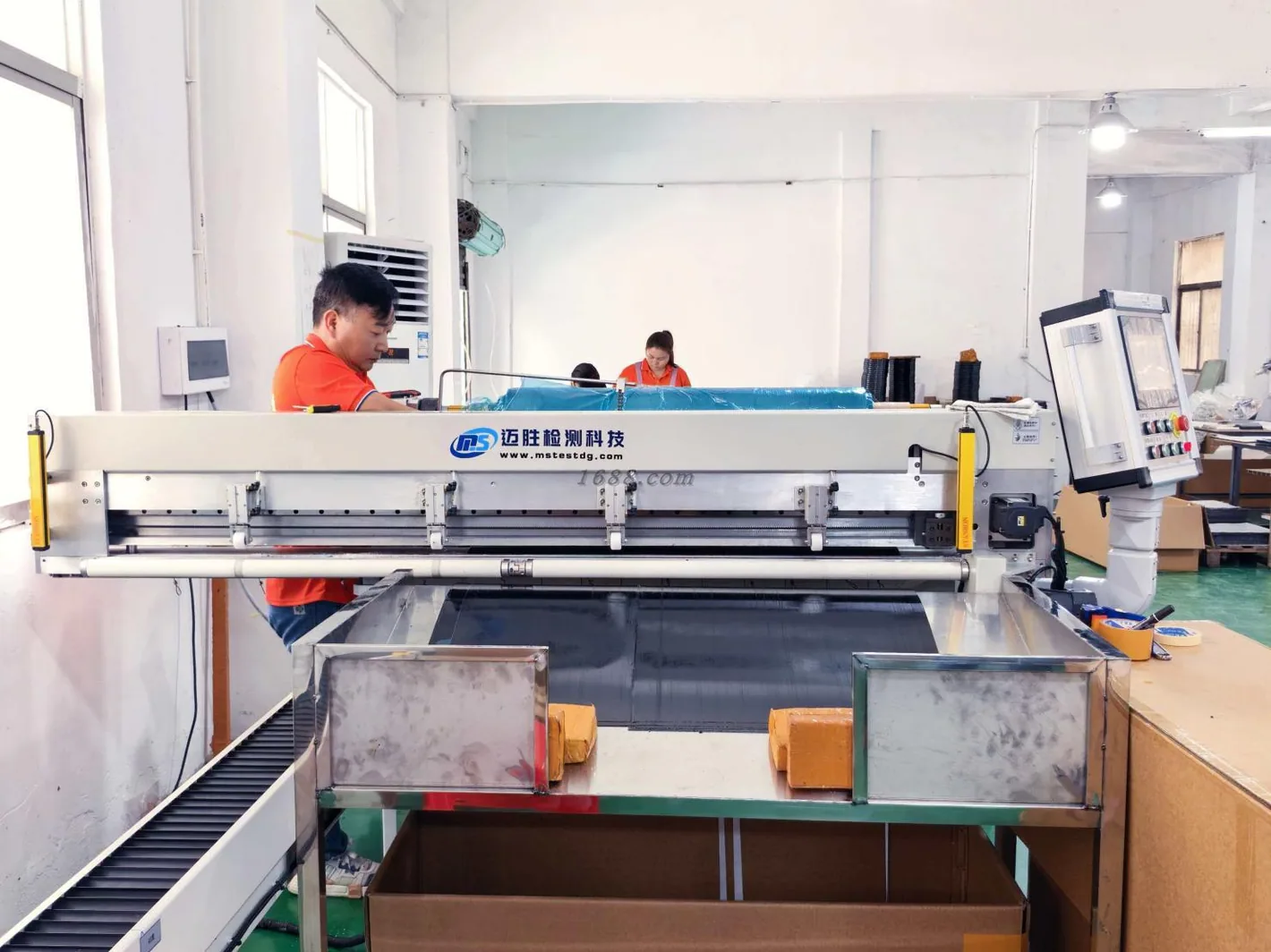
Factory-supplied cutting workstation. The image establishes visible process context; the applicable machine, program, tolerance and inspection method must be confirmed for the specific drawing.
A photo, equipment list, certificate and inspection record are not interchangeable. Ask for the smallest evidence set that addresses the procurement risk without turning unrelated documents into broader claims.
Useful for · visible workspace, layout and observable activities.
Limit to verify · date, location, operator, permission and relationship to your part.
Useful for · understanding a claimed operational scope.
Limit to verify · equipment access, relevance and actual use under suitable controls.
Useful for · a documented assessment tied to a named organization.
Limit to verify · issuer, validity, holder, address and exact scope; it may not cover your product.
Useful for · seeing how one relevant order is documented.
Limit to verify · authenticity, revision, traceability and whether the practice applies to your order.
Useful for · understanding results for an identified sample.
Limit to verify · method, acceptance criteria and direct connection to the measured sample or lot.
A measurement bench can support a discussion about how inspection may be organized, but it does not establish a universal tolerance, calibrated capability, pass result or recurring lot performance.
For an engineering order, define the characteristics to measure, method, acceptance rule, sample identity and record that will be supplied. Sampling and special tests should be selected for the application rather than inferred from a photograph.
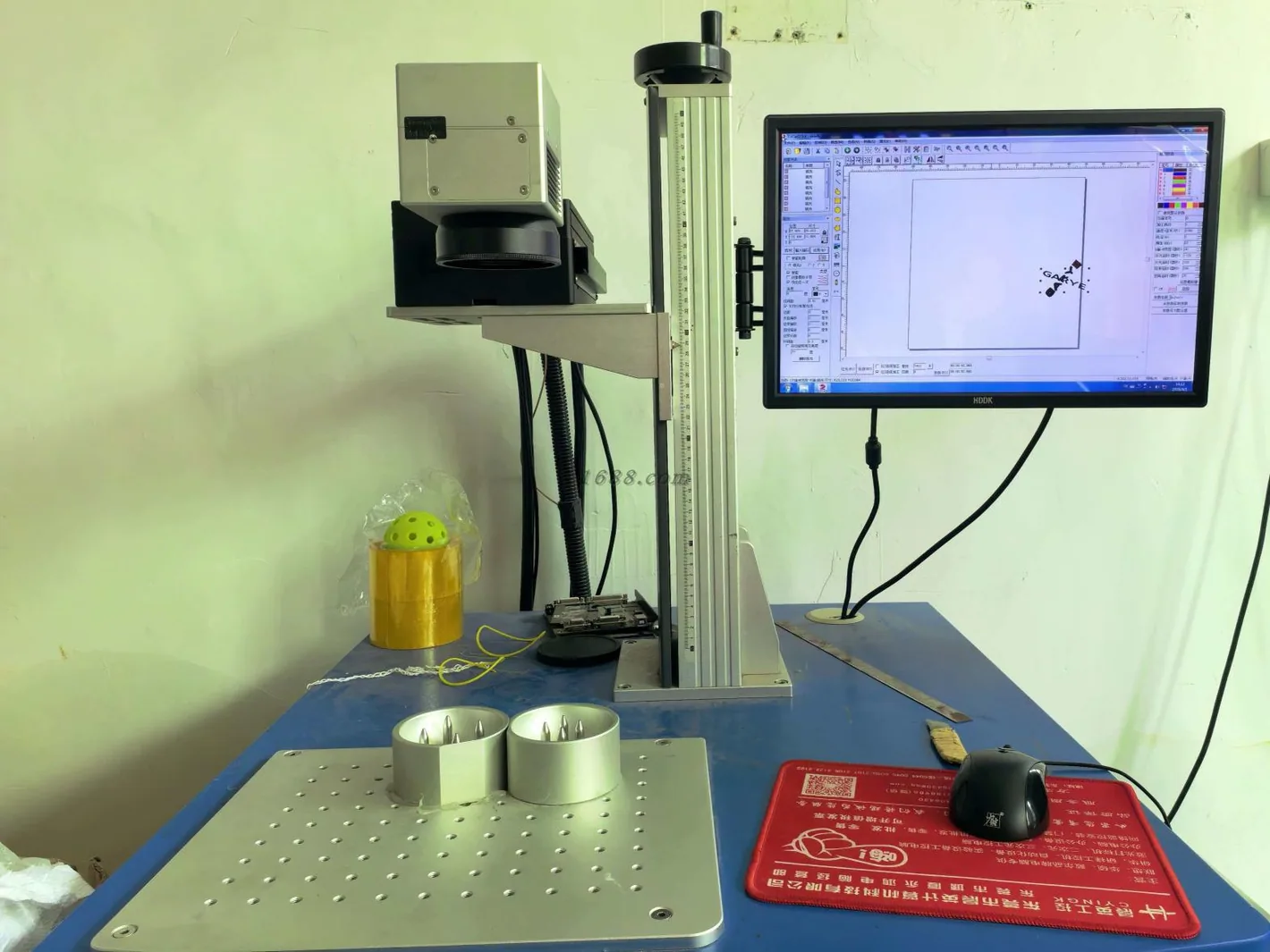
Factory-supplied measuring equipment. No test result, tolerance, calibration status or certification is inferred from this image.
Provide a drawing or sanitized reference geometry, intended use, planned material when known, quantity expectations and the interfaces or features that drive risk. If supplier qualification is part of the purchase, state which facility, traceability, inspection or access information your team needs.
No. Raw reinforcement production and manufacturing parts from purchased composite materials are different activities. Ask which steps apply to your part and who performs them.
No. A photo may illustrate equipment or layout, but it cannot by itself establish ownership, sustained output, inspected precision or a valid certification.
Start with legal entity and plant identity, intended processing scope, outside operations and a representative job's applicable documentation. Add specialized tests or quality-system requirements only where the product risk or contract requires them.
Not necessarily. Review the issuer, holder, site, effective status and stated scope. Product-specific approvals, tests or customer requirements remain separate questions.
For a proposed CFRPWorks carbon-fiber project, describe the component, drawing status and the supplier-verification information your team needs. Process details, record availability, access permissions and acceptance requirements must be confirmed for the project.
Return to CFRPWorksProject-specific evidence is confirmed separately before it is treated as qualification proof.
Fill out the form below, and we will be in touch shortly.