Carbon Fiber Drone Frames & UAV Frames
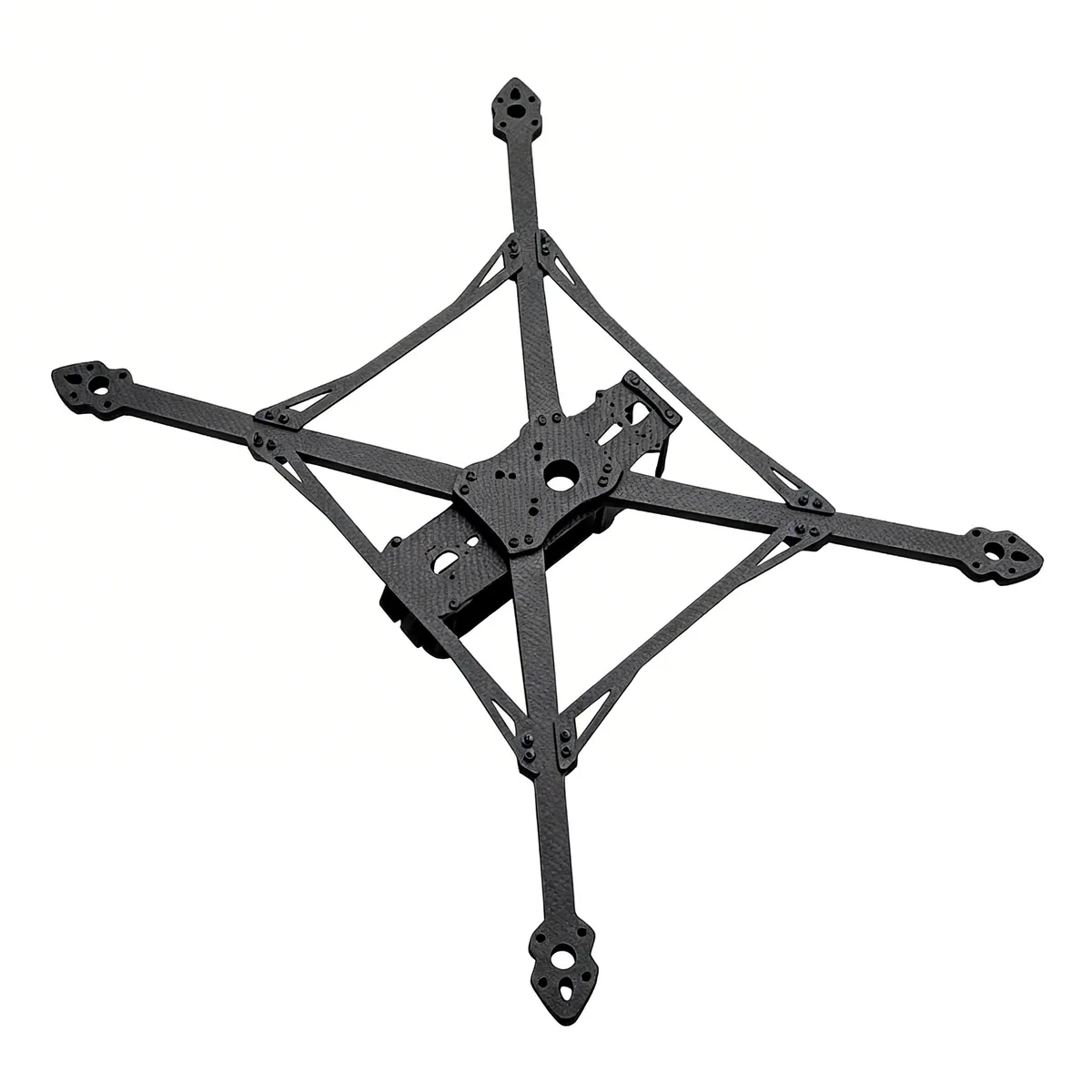
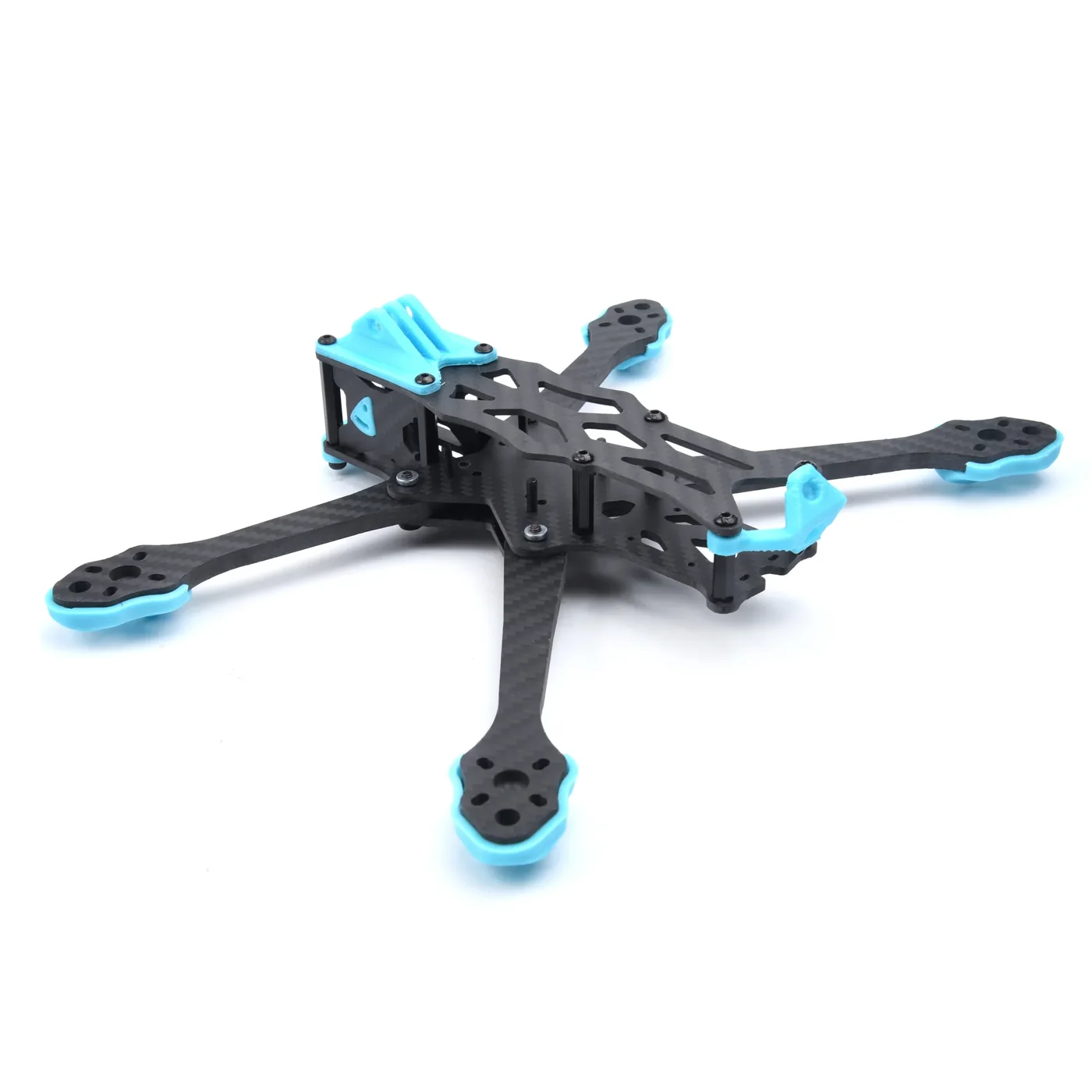
A carbon fiber drone frame is the structural platform that positions the propulsion system, flight electronics, payload interfaces, and attachment hardware. For procurement, a frame outline alone is insufficient. An RFQ should identify geometry, assembly scope, mounting interfaces, material requirements, and acceptance criteria.
Description
A carbon fiber drone frame is the structural platform that positions the propulsion system, flight electronics, payload interfaces, and attachment hardware. For procurement, a frame outline alone is insufficient. An RFQ should identify geometry, assembly scope, mounting interfaces, material requirements, and acceptance criteria.
CFRPWorks receives inquiries for carbon-fiber drone-frame structures and drawing-led frame components. Use the selection questions below to define the physical product you need, then submit the drawing and project requirements for a scope review and quotation. Available configurations, material specifications, and delivery terms must be confirmed for the actual request.
Choose the structure before defining the specification
Frame architectures vary with the aircraft and integration task. The relevant questions are what the frame needs to mount, how it will be assembled, and which dimensions must be controlled.
| Structural decision | What an engineering buyer should specify |
|---|---|
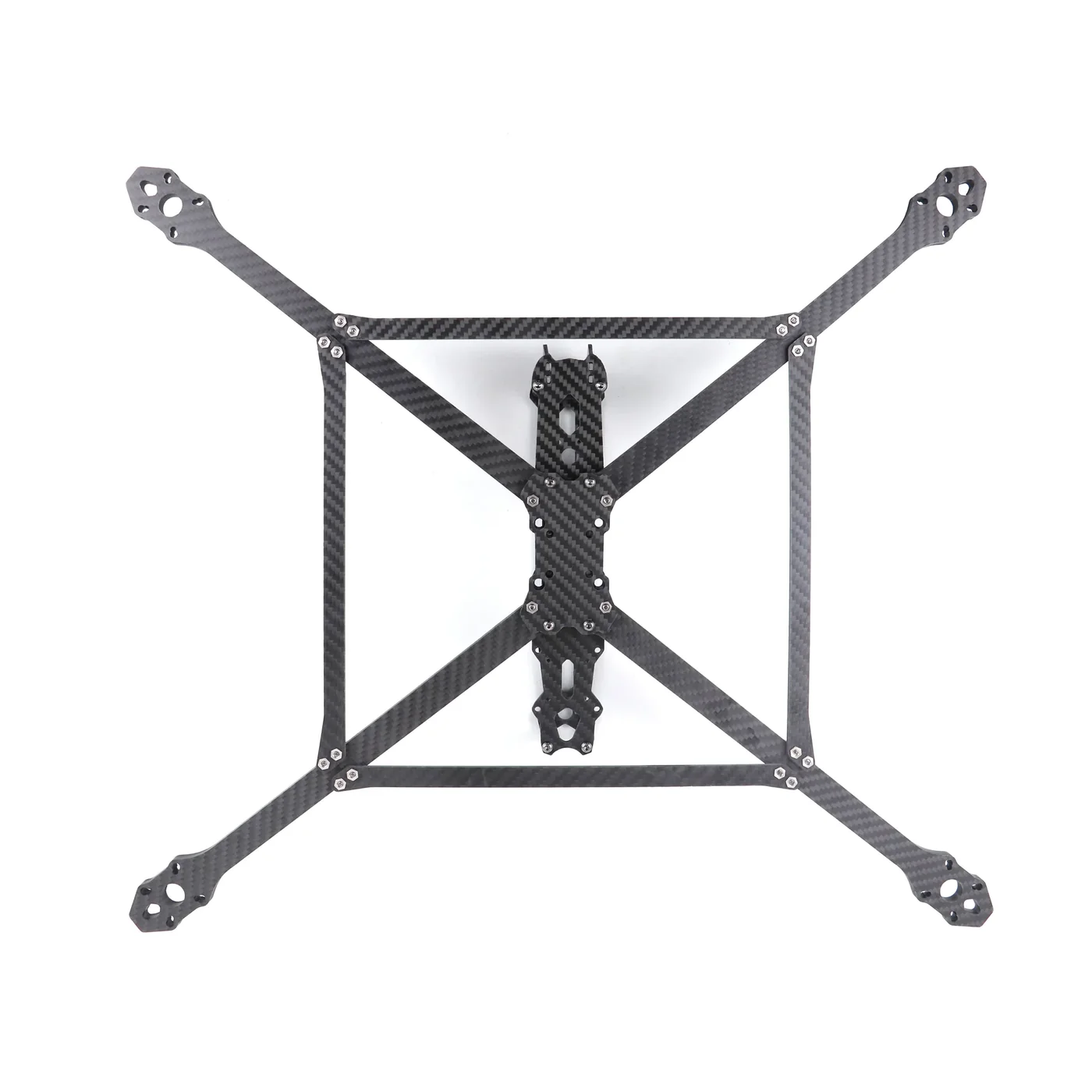
| Center plates and structural layout | Outline, plate arrangement, attachment points, required internal space, and clearance envelopes |
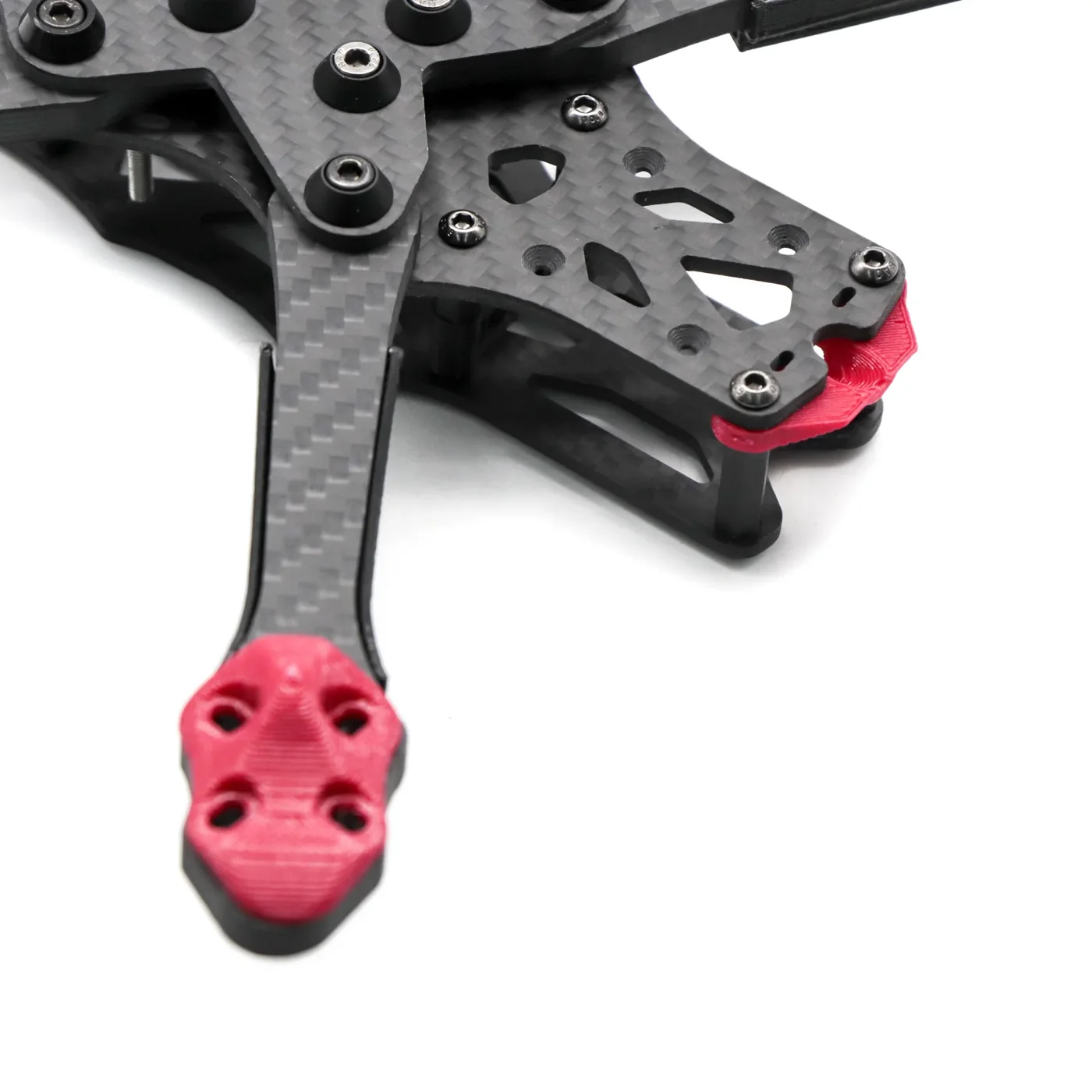
| Arms and bracing | Arm geometry, replaceability expectations, motor attachment layout, and interface with the center body |
| Standoffs and fastening | Connection locations, mating hardware, access for assembly, and any supplied-versus-buyer-supplied items |
| Equipment interfaces | Flight-controller stack, battery retention, cameras, sensors, antennas, and required isolation features |
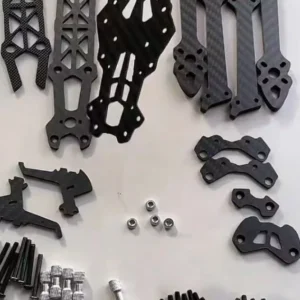
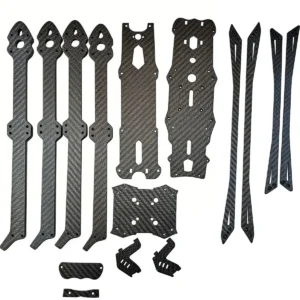
| Kit boundary | Whether the RFQ covers plates alone, a frame assembly, or an itemized kit with specific hardware |
A uav frame kit and an fpv drone frame may refer to different structures and levels of assembly. The name alone does not establish included parts or compatibility. Provide a bill of materials or component breakdown so the quotation reflects what you actually intend to buy.
Material and structural design considerations
Carbon-fiber composite performance depends on the actual laminate, geometry, loading direction, attachment design, and environmental conditions. A fabric weave or appearance does not establish strength or stiffness on its own.
For a structural drawing review, identify the expected operating loads and their directions, vibration or impact conditions that matter to the project, local reinforcement needs around attachments, and any relevant temperature or exposure requirements. Where laminate orientation, resin system, or surface requirements are important, include them in the specification or ask for proposed options to be documented.
A frame’s general appearance should not be used to infer a particular fiber grade, payload rating, finished mass, plate thickness, or certified operating envelope. Those are configuration-specific facts that must be checked against the selected design and supporting evidence.
Mounting geometry and assembly fit
Before requesting production quantities, identify interfaces that cannot change without affecting the rest of the aircraft:
- Motor-mount and structural fastening patterns, with drawing units and reference datums.
- Flight electronics and accessory mounting positions, including access for connectors and wiring.
- Arm-to-center-body interfaces, landing arrangement, and clearance around moving components.
- Holes, slots, edge profiles, and areas that may need additional space for assembly.
- Required finish, exposed-edge treatment, and cosmetic acceptance expectations, where applicable.
If you are evaluating a drone frame kit, distinguish the carbon-fiber structural components from motors, propellers, batteries, electronics, adhesives, and hardware. Do not assume these are included until the quoted bill of materials specifies them.
What to send for a quotation
A useful drawing-led RFQ should cover both the physical design and the procurement decision. Send the information you already have; where a design parameter is open, identify it as a question rather than inventing a nominal value.
| Information | Why it matters |
|---|---|
| 2D drawing or 3D model with revision | Establishes the requested geometry and avoids quoting an obsolete configuration |
| Required parts and quantity per assembly | Separates plates, arms, fittings, and assembly-kit content |
| Mounting patterns and mating components | Supports dimensional and interface review |
| Material/laminate and finish requirements, if defined | Clarifies what evidence or proposed alternatives require discussion |
| Loads, environment, and use constraints | Gives context for the engineering review without implying a tested frame rating |
| Requested quantity and delivery location | Provides inputs for a project-specific commercial quotation |
| Inspection and documentation requirements | Establishes how the finished structure would be accepted |
If only a sample or preliminary concept is available, share known dimensions and mark every open design decision for review. Any proposed manufacturing or assembly approach remains subject to feasibility review.
Use cases and qualification boundaries
FPV racing frames, general multirotor airframes, and other UAV structural assemblies can impose different priorities on equipment layout, arm replacement, mounting access, and environmental exposure. These are selection contexts, not an assurance that any pictured or proposed CFRPWorks frame has been qualified for a particular aircraft, flight load, or regulatory use.
Where you need carbon fiber drone application-level guidance rather than a frame purchase, keep that engineering assessment separate from the physical frame specification. The suitability of a completed aircraft depends on more than its carbon-fiber structure.
Inspection and documentation questions
For a drawing-based order, ask which dimensions must be inspected, how a sample should be approved, and which records need to accompany the parts. Typical acceptance topics include mounting-hole position, cut-edge condition, visible surface quality, assembly fit, and traceability requirements where applicable.
The inspection plan, tolerances, and any material or performance test claims must be tied to the actual part and agreed order documents. No numerical accuracy, load limit, or certification is implied by a generic product-family description.
Frequently asked questions
What should I provide to specify a carbon fiber drone frame?
Send the frame drawing or model, the assembly breakdown, key mounting interfaces, any defined laminate/finish requirements, estimated order quantity, and your acceptance criteria. State unknown dimensions as questions for the RFQ review.
Is an FPV frame the same as a UAV frame kit?
Not necessarily. An FPV frame may emphasize one set of camera, motor, and electronics interfaces, while other UAV structures can require different geometries and assembly components. Confirm the bill of materials and mating hardware for the particular design.
Can a frame be evaluated from photos alone?
Photos may clarify general form and component layout, but they do not verify dimensions, laminate construction, weight, strength, load rating, or compatibility. Use controlled drawings and appropriate evidence for those decisions.
Can I request a replacement arm or plate?
Include the part drawing, the mating interface dimensions, and the assembly context. Feasibility and any associated commercial terms need confirmation against that specific request.
How should I specify strength or allowable payload?
Define the load cases, attachment constraints, environmental conditions, and required verification method. Ask for part-specific test or calculation evidence before accepting a numerical performance claim.
Request a Quote / Send Drawing
Share your drawing, bill of materials, required quantity, intended installation interfaces, and any inspection requirements with CFRPWorks. The next step is a project-specific discussion of scope and evidence—not an assumption that a listed size, kit, tolerance, or delivery date is already available.
Next step for your project
Use the inquiry form above to send your drawing, quantity, material or finish requirements, and the acceptance points that matter to your project.
Start Your RFQ Contact CFRPWorks