Carbon Fiber Sheets & Plates
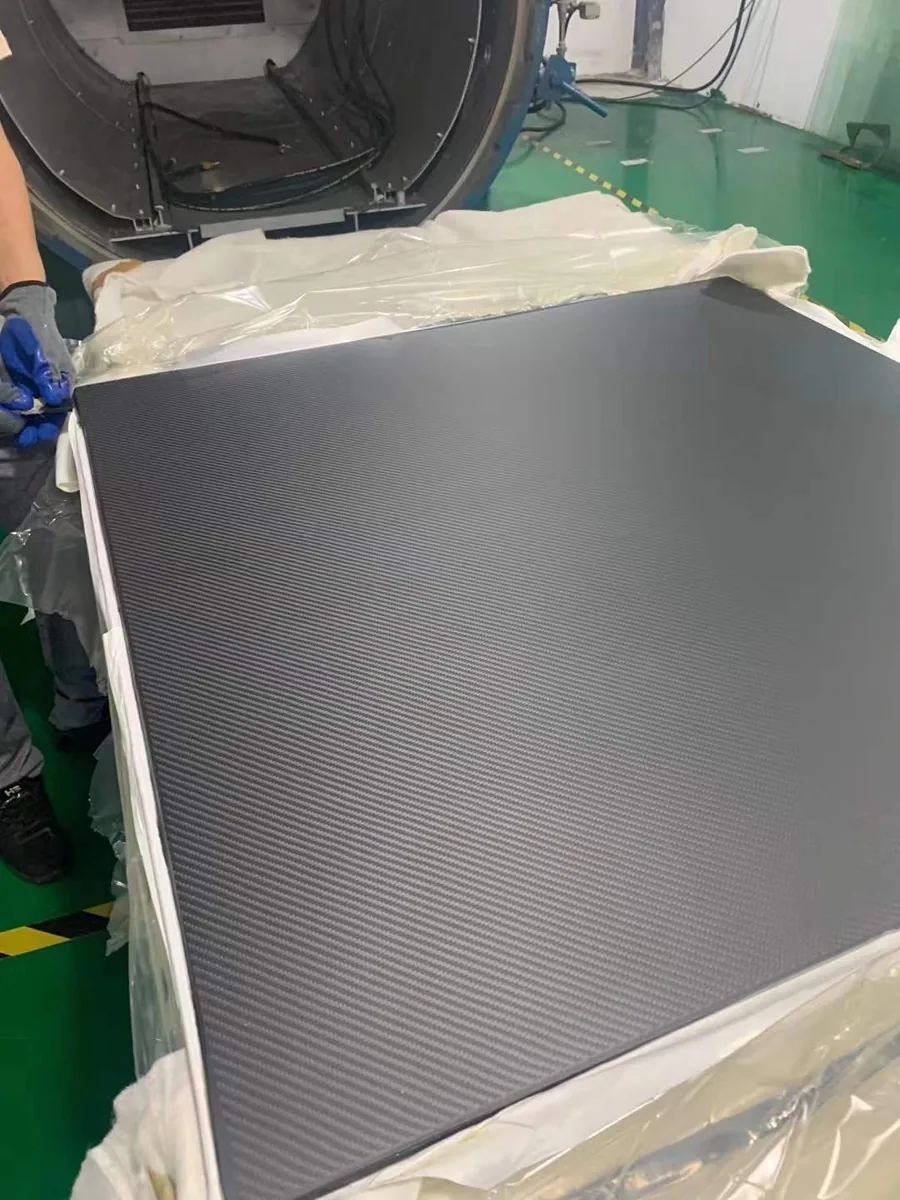
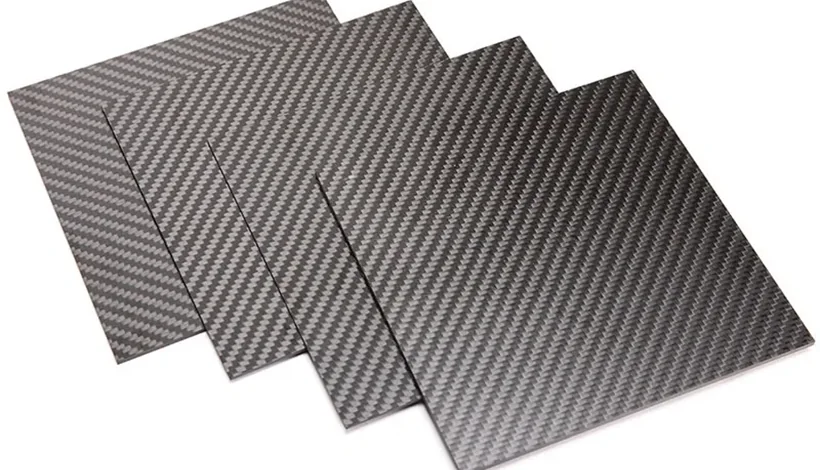

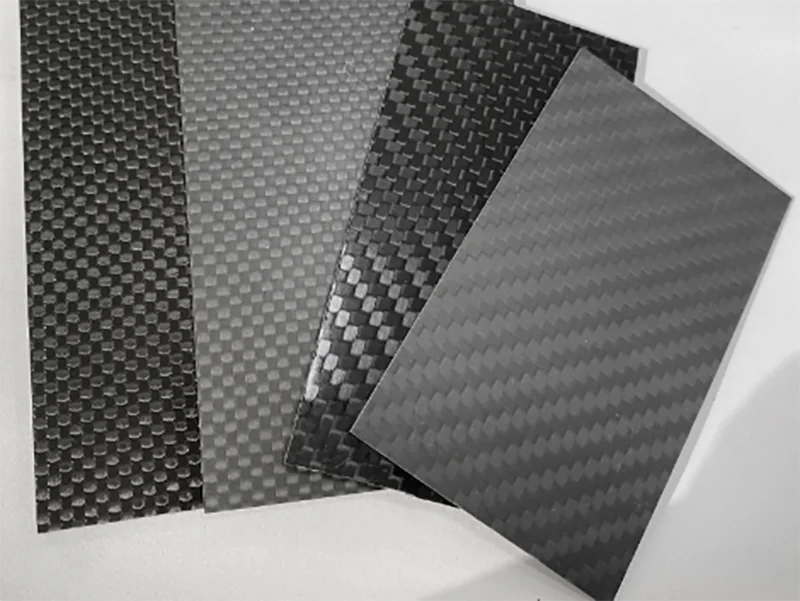
Carbon fiber sheets are flat composite stock used as starting material for structural and nonstructural components. Buyers may also call this format a carbon fiber plate. The label alone does not identify a laminate specification, nominal thickness, finished size, or verified mechanical rating.
Description
Carbon fiber sheets are flat composite stock used as starting material for structural and nonstructural components. Buyers may also call this format a carbon fiber plate. The label alone does not identify a laminate specification, nominal thickness, finished size, or verified mechanical rating.
CFRPWorks accepts sourcing inquiries for carbon-fiber sheet and plate requirements. A meaningful quotation identifies material construction, dimensions, intended use, and acceptance criteria. It should not assume a listed stock thickness or surface finish.
Select flat stock by its intended job
A sheet specification should address both the part the material will become and the requirements applied to the incoming stock.
| Selection question | Information to provide | Why it matters |
|---|---|---|
| Structural or visual use? | Application, load direction if relevant, finish requirements | A decorative surface cannot be assumed to meet structural criteria |
| What laminate is required? | Available material designation, fiber orientation or stack requirements, resin information | Performance depends on the actual construction and test basis |
| What outline is needed? | Drawing with nominal length, width, units and usable-area requirements | The correct format depends on your part layout |
| What thickness is acceptable? | Nominal thickness and permitted variation, if already defined | A sample photograph cannot establish the dimension or tolerance |
| What must be inspected? | Flatness, surface appearance, edge condition, dimensions and required records | Makes acceptance expectations visible before an order |
If you are comparing a carbon fiber sheet with other flat composite stock, specify what must be carried by the material itself and what can be addressed by the downstream part design. There is no universal commercial thickness boundary that makes every supplier’s “sheet” mechanically different from every “plate.”
Material construction matters more than a surface pattern
A visible carbon-fiber weave is only part of the product description. Structural behavior can depend on fiber orientation, laminate architecture, resin system, consolidation, part geometry, and the direction of the applied load. Do not treat a photograph or a generic “carbon fiber” label as a certified strength result.
For engineering evaluation, identify any necessary tensile, flexural, temperature, environmental, electrical, or cosmetic criteria. Where a project requires numerical performance data, request the test standard, test conditions, specimen type, and a material or part-specific evidence package. Do not transfer values from another supplier’s plate listing to a proposed CFRPWorks item.
For appearance-sensitive orders, show the desired face finish and permitted cosmetic variation in a sample or written standard. Finish and laminate construction must be separately confirmed.
How to specify dimensions without assuming stock availability
Many buyers begin with a target thickness or a cut-part drawing. That is a useful starting point, but it does not establish the production format or availability of the exact material.
Include the required finished size, nominal thickness, dimensional tolerances, corner or edge preferences, and whether the material will later be machined or bonded. If multiple pieces will be nested from a board, specify the minimum usable material area and the acceptable cosmetic face.
For a request involving carbon fiber sheets for sale, confirm the offered size, construction and documentation on the actual quotation. A thickness or sheet format mentioned in an online marketplace should not be interpreted as CFRPWorks stock.
Sandwich construction, named thicknesses, large board formats, and specific laminate schedules are not represented here as verified catalogue options. They can be included in your request and evaluated against real product records before a supply commitment is made.
Separate stock sourcing from custom-cut requests
This page concerns sourcing flat stock. If the purchase requires specific cutouts, profiles, holes, or finished plate geometry, add a 2D drawing or CAD file and distinguish the incoming material requirement from the finished-part requirement.
The project architecture treats custom-cut carbon-fiber sheets as a separate product decision, and generic CNC machining as a separate capability decision. State whether you need uncut material, specified cut parts, or a kit of pieces so the RFQ can be routed accurately. Neither a product photo nor this category description alone confirms a machining process or cut tolerance.
Engineering and procurement RFQ checklist
A good first inquiry should include the fields below even if some values are still open for discussion.
- Material: intended structural/cosmetic use, any required laminate construction and sourceable grade reference.
- Geometry: required length, width, thickness, drawing revision and units.
- Finish: visible face, surface appearance and edge requirements where important.
- Quantity: estimated pieces or sheets per order and planned repeat demand, if known.
- Downstream operations: whether the buyer will cut, drill, bond or assemble the sheet after delivery.
- Acceptance: measurable dimensional, appearance, inspection and documentation criteria.
- Project constraints: service environment, mating parts, location for delivery and target schedule for quotation discussion.
If the requested configuration has not yet been released, supply the drawing and identify which dimensions and performance requirements need engineering review. Any permitted tolerances, order minimums and delivery terms must be agreed for the specific quote.
Documentation and quality questions
For a sheet or plate purchase, the buyer and supplier should agree on identification of the material supplied, inspection points, allowable condition of edges and faces, and any reporting requirements. A requirement to test strength or certify a resin system should be supported by specific test evidence and a defined acceptance standard.
An image of a sheet, workshop or measurement instrument does not independently prove a numerical tolerance, available stock range, batch test result or quality certification.
Frequently asked questions
Are carbon fiber sheets and carbon fiber plates the same thing?
They are overlapping commercial names for flat composite stock. Evaluate the actual laminate, thickness, geometry, finish, and test documentation rather than assuming a fixed naming rule determines suitability.
What do I need for a sheet quotation?
Provide the material requirements, dimensions, thickness, quantity, finish, intended use, and any drawing or acceptance specification. Identify unknown values so they can be addressed before a quote is finalized.
Does the weave pattern tell me the strength of the sheet?
No. A visible surface is not a substitute for the laminate specification and relevant mechanical data. Request evidence tied to the material configuration when structural performance matters.
Can I order a particular standard thickness or a large-format board?
Exact thicknesses, dimensions, stock availability, and order conditions must be confirmed from current first-party product information. Do not assume an unlisted format is supplied.
Should I specify custom-cut parts here?
You can submit a drawing alongside your material request, but make clear whether you need flat stock or pieces processed to final geometry. Cutting method and tolerance claims require confirmation for that project.
Request a Quote / Send Drawing
Send CFRPWorks your required sheet or plate description, drawing, material notes, quantities, acceptance criteria, and any open engineering questions. The resulting quotation should identify the actual proposed material and configuration rather than relying on generic industry ranges.
Next step for your project
Use the inquiry form above to send your drawing, quantity, material or finish requirements, and the acceptance points that matter to your project.
Start Your RFQ Contact CFRPWorks