
About CFRPWorks: A Carbon Fiber Company Profile for Technical Buyers
About CFRPWorks
CFRPWorks is a carbon-fiber-focused brand organized around a practical engineering and purchasing question: what information does a technical buyer need before a project can move from interest to a defined enquiry?
The site is structured around three main areas: custom carbon-fiber components, drone and UAV carbon-fiber frames, and carbon-fiber sheets and plates. This company profile provides context for evaluating CFRPWorks while keeping material, production scope, inspection, contracting, and delivery decisions project-specific.
Custom Carbon-Fiber Components
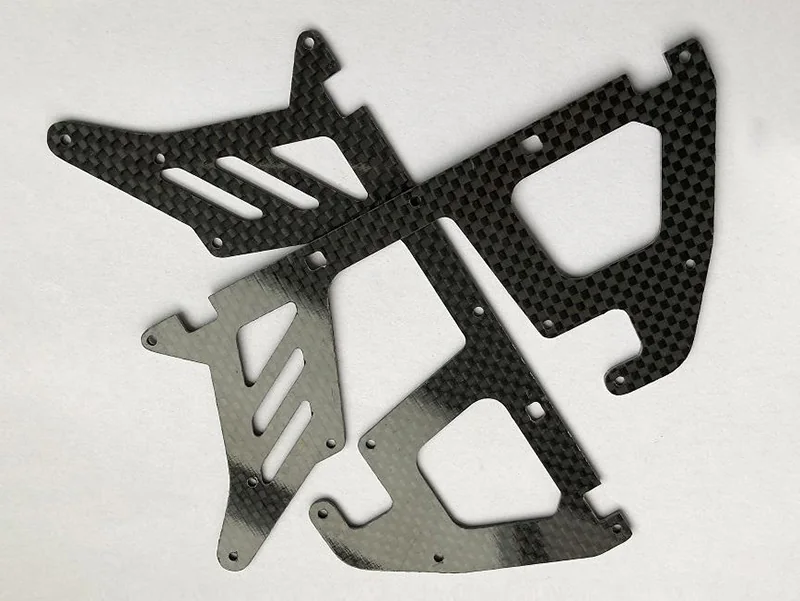
For a custom component, geometry alone is rarely enough. A useful enquiry normally begins with the latest CAD file, drawing, sample, or written requirement, plus the revision, intended function, and any features that must remain fixed.
Important review topics can include load direction, material or reinforcement preferences, dimensions and fits, holes or inserts, exposure conditions, appearance requirements, and the evidence needed for approval. If the project is still at concept stage, identify assumptions clearly so they can be separated from confirmed requirements.
Drone and UAV Carbon-Fiber Frames
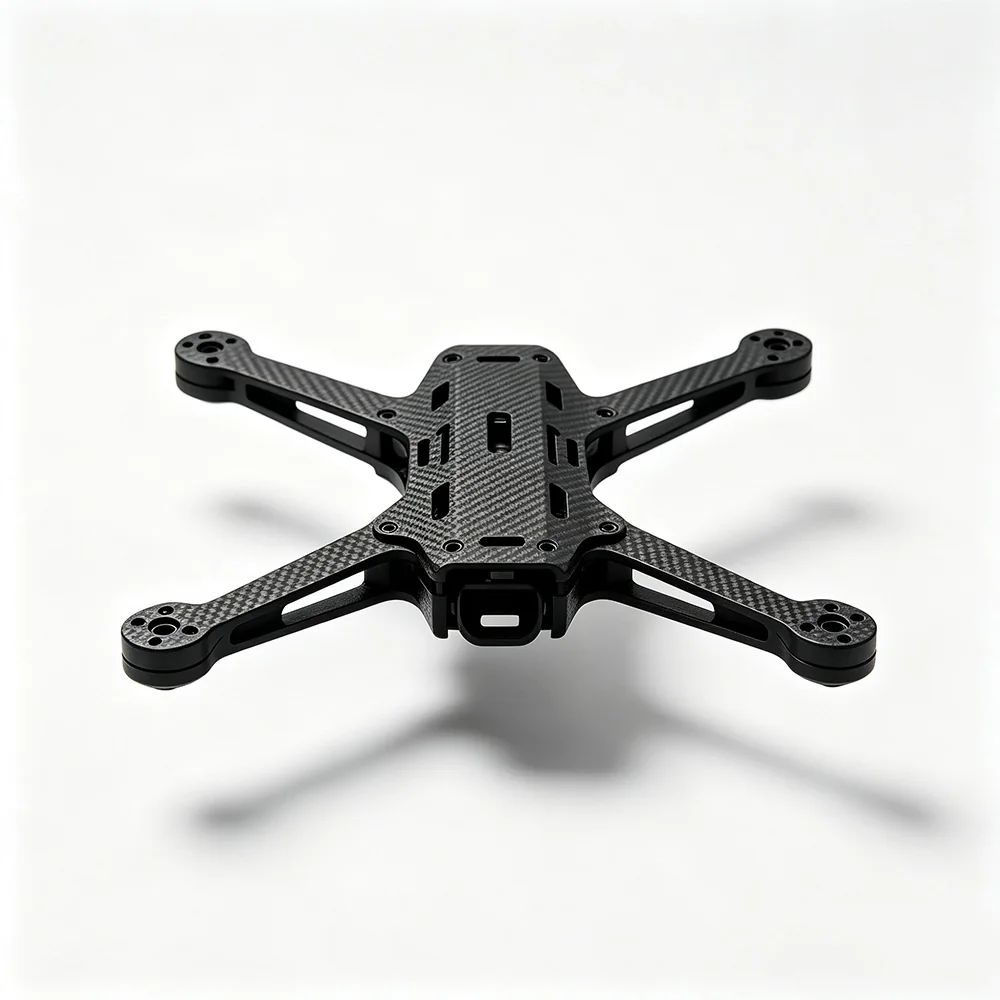
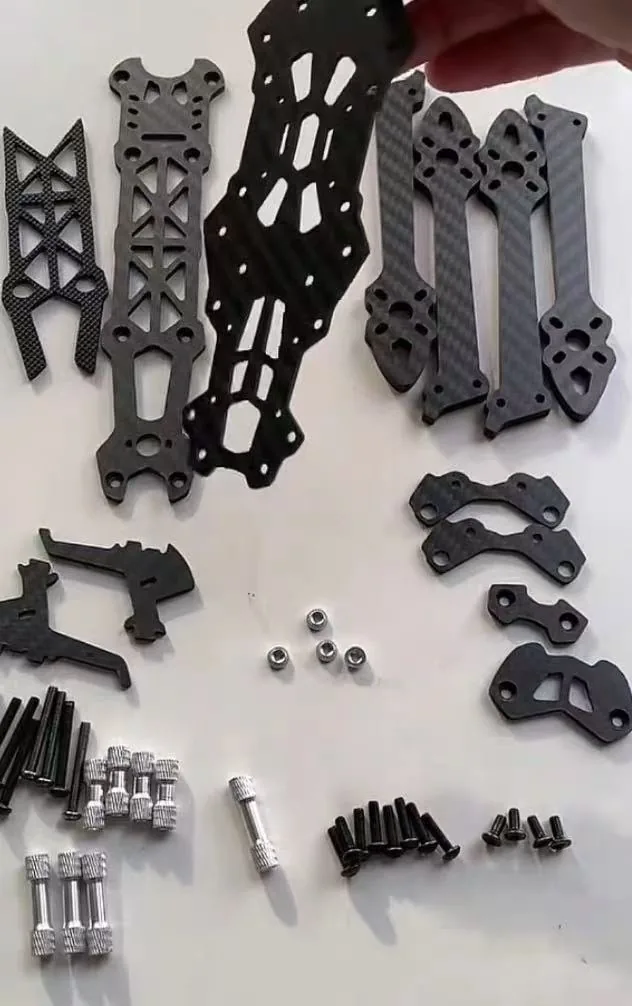
Drone and UAV frame discussions are not just about plate shape. The engineering review can involve frame architecture, interfaces, hole locations, stack-up, vibration-sensitive areas, payload and mission loads, and how the carbon-fiber parts interact with motors, fasteners, electronics, and other structures.
A useful sourcing package can include the current drawing, quantity, revision, thickness or weight constraints, hole and fastener requirements, interface dimensions, and any sample or inspection criteria. The exact fabrication route and verification evidence should remain project-specific.
Carbon-Fiber Sheets and Plates
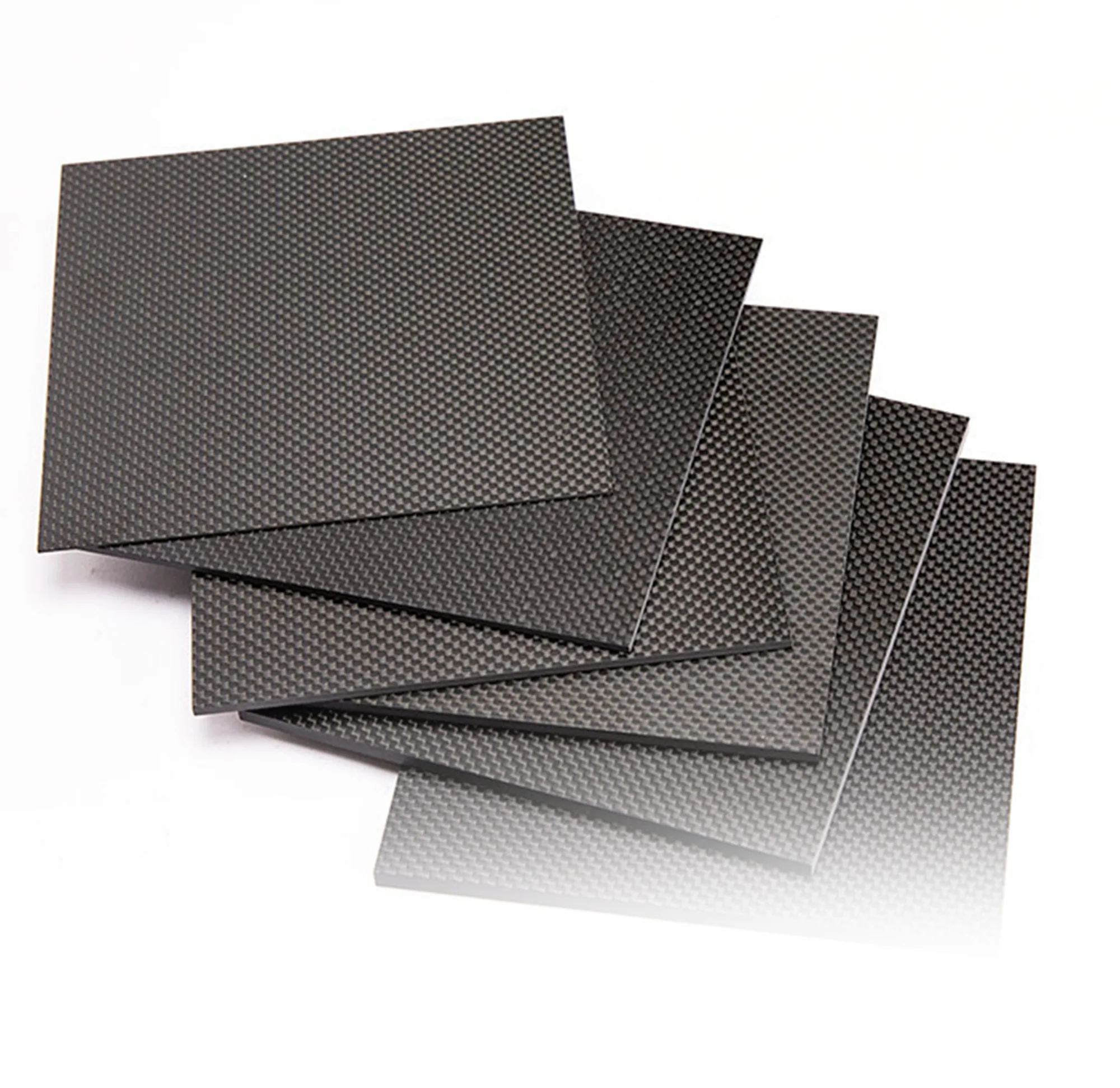
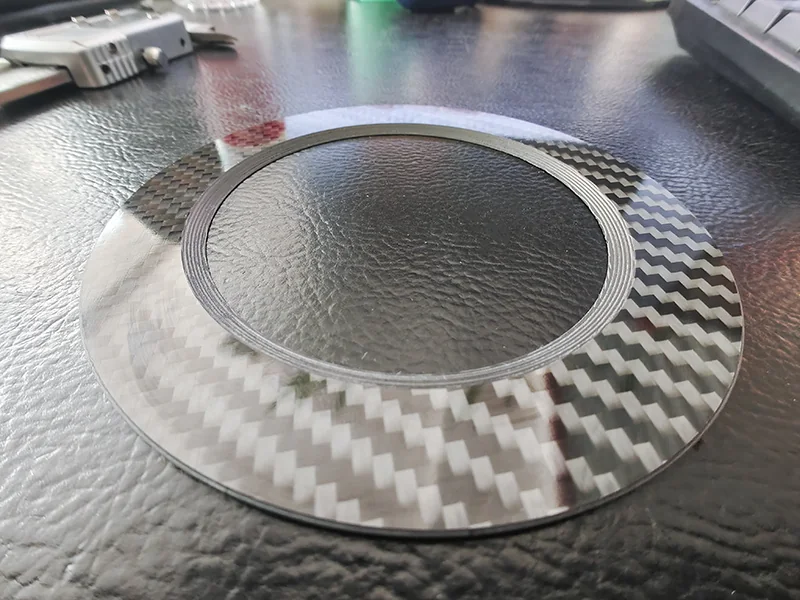
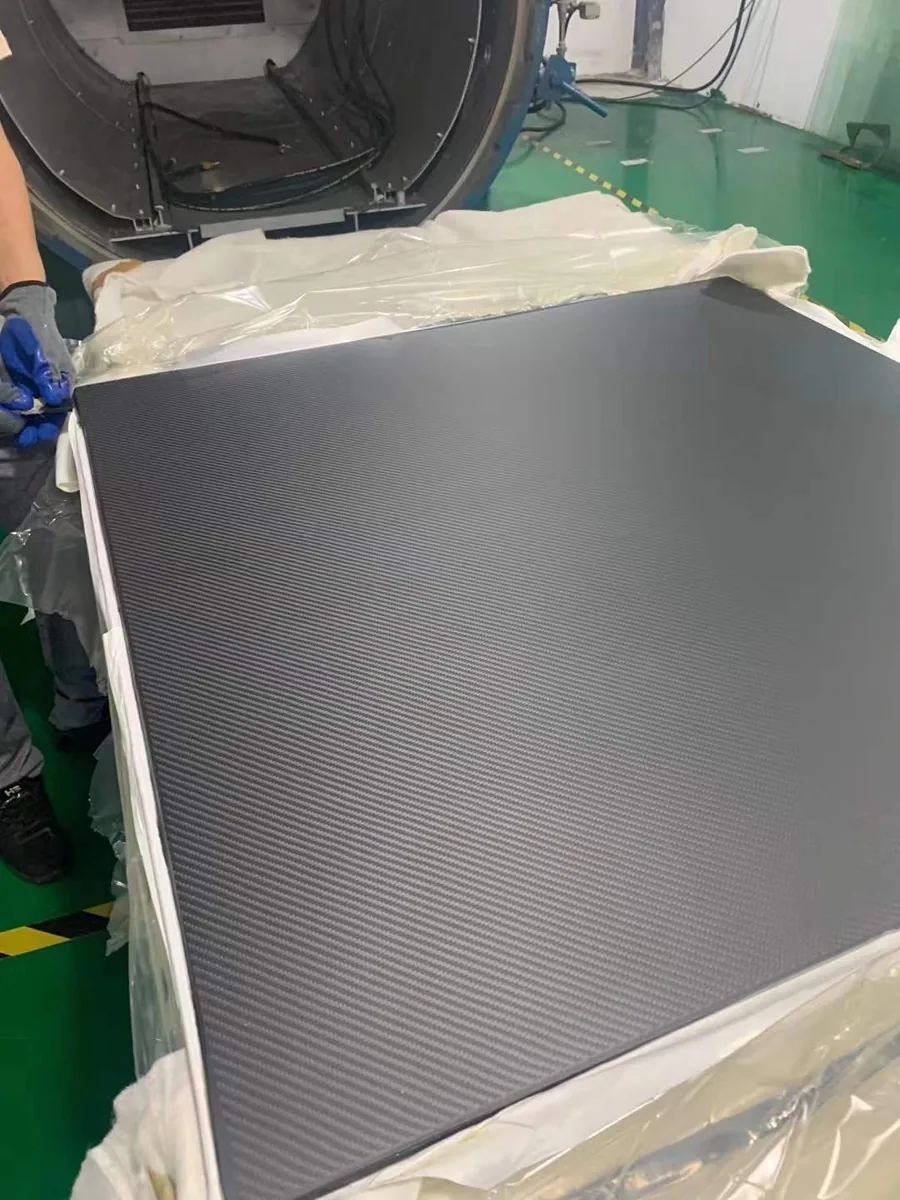
Sheet and plate enquiries should define the format and intended use rather than relying on a generic material label. Dimensions, thickness, surface requirement, layup or construction, flatness, edge condition, holes, cutouts, and downstream machining all affect the purchasing decision.
A named thickness does not automatically define stiffness, strength, or suitability for an application. Where structural performance matters, define the load case and the required review or test basis. Standard-size availability should also be confirmed for the specific enquiry rather than assumed.
Who This Page Is Intended to Help
This page is intended for engineering teams, product-development teams, purchasing teams, and supplier-quality groups that need a company-level view before moving into product or project-specific evaluation.
Each group may need different evidence. Engineers may focus on geometry, interfaces, load paths, and verification criteria; purchasing teams may focus on quantities, timing, packaging, and commercial terms; supplier-quality teams may focus on process control, inspection records, calibration status, traceability, certificates, and change control. The same project can require all of these inputs, but not all questions should be answered by the same document.
A Useful Starting Point for a Technical Enquiry
Before choosing a production route, define the requirement in six areas: material and construction, geometry and interfaces, surface and appearance, quantity and timing, verification, and change control.
For a simple part, a drawing and quantity may be enough to start. For a structural assembly, UAV frame, or part with critical interfaces, the review basis may also require material notes, tolerance callouts, inspection points, sample approval criteria, and a controlled revision. Revision control should stay consistent between drawings, inspection criteria, quotations, and samples.
Separating Product Evaluation from Supplier Qualification
A product can look technically suitable while the supplier review still has open questions. Supplier qualification can cover business identity and scope, material definition, quality and inspection, certificates and compliance, sampling and changes, and customer-information handling.
These are qualification questions, not evidence that CFRPWorks holds a specific certificate, owns a specific process, or operates a specific factory capability for every project. When a requirement matters to approval, request the current project-specific evidence and confirm the legal entity, validity, scope, product or process applicability, and revision before relying on it.
Frequently Asked Questions
What products are covered by the CFRPWorks website?
The site covers custom carbon-fiber components, drone and UAV carbon-fiber frames, and carbon-fiber sheets and plates. Each project should still be evaluated against its exact material, geometry, interface, surface, quantity, and verification requirements.
What information should I send for a custom carbon-fiber project?
Send the latest CAD file, drawing, sample, or written requirement together with quantity, revision, intended function, critical dimensions and interfaces, surface expectations, material or layup preferences if known, environment, and the evidence needed for review.
Can I request a sample or inspection documentation?
You can make those requirements part of the enquiry. The appropriate sample, inspection record, measurement report, or other evidence depends on the product and project, so availability and scope should be confirmed before treating any document as applicable.
How can I verify a supplier's quality certification or manufacturing scope?
Request the current document and check the legal entity, validity, scope, issuing body, and applicability to the product or process under review. For manufacturing scope, separate what is visibly shown from what is documented and confirm the project-specific process route.