Custom Carbon Fiber Parts & Components
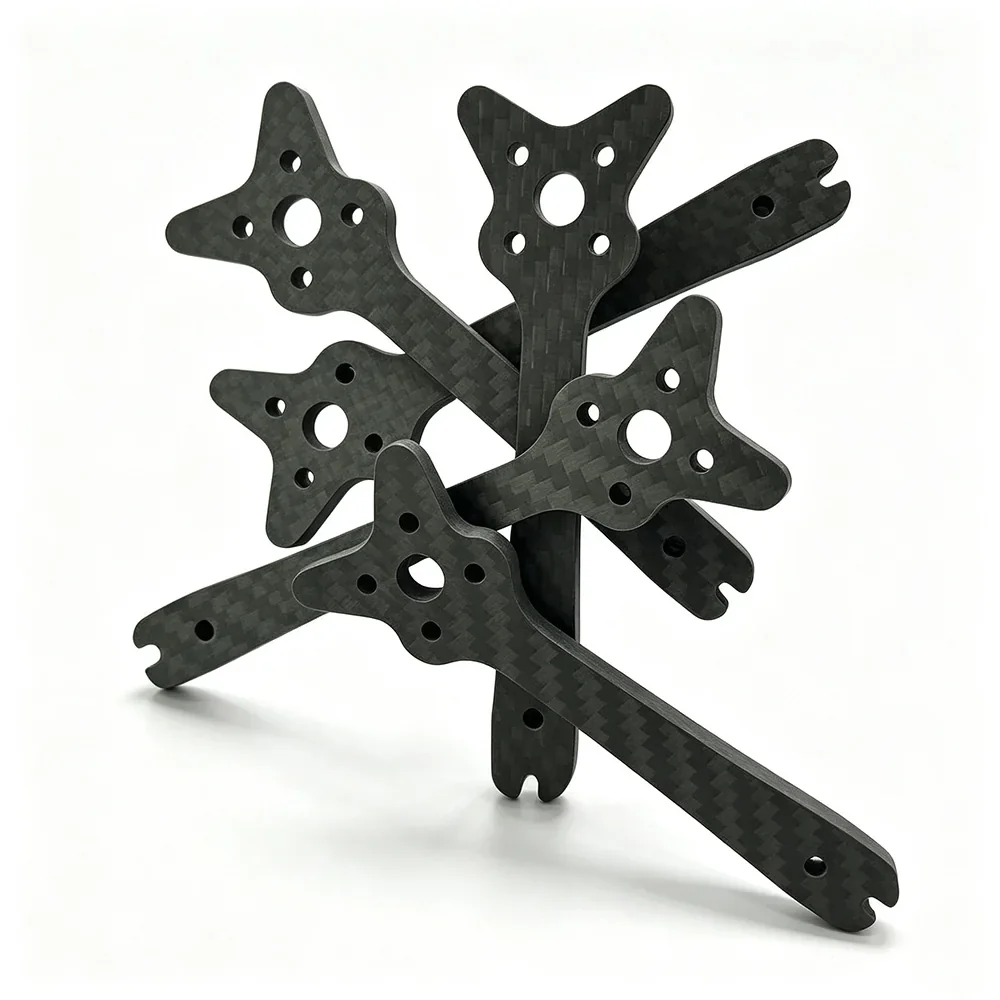
Custom carbon fiber parts are finished composite components specified for a particular shape, mechanical interface, appearance, and intended function. Buying a finished part is different from searching for a generic composite-processing service: the quotation needs to define the component to be supplied, the information still open for engineering review, and the basis on which parts will be accepted.
Description
Custom carbon fiber parts are finished composite components specified for a particular shape, mechanical interface, appearance, and intended function. Buying a finished part is different from searching for a generic composite-processing service: the quotation needs to define the component to be supplied, the information still open for engineering review, and the basis on which parts will be accepted.
CFRPWorks receives inquiries for drawing- or sample-based carbon-fiber product requirements. This page helps engineering and sourcing teams describe the physical parts they need. The material construction, process scope, measurable characteristics, and commercial terms for any particular part must be agreed against its own drawings and evidence.
Start with the finished component
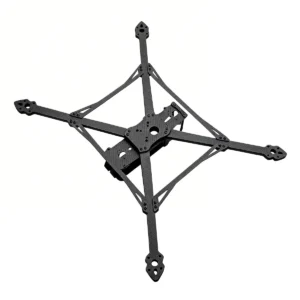
A custom-part enquiry may involve an enclosure panel, a structural bracket, a mounting component, a frame element, or another designed composite shape. These are examples of component functions to specify, not an inventory of verified CFRPWorks models or approved customer products.
Describe the finished item rather than only its appearance. A project note such as “carbon fiber part” should identify the part’s assembly function, mating features, and operating conditions that affect its material or geometry.
If your requirement is for flat material stock, use the corresponding sheet-and-plate sourcing path. If your main decision concerns a general manufacturing method, keep that evaluation distinct from the physical parts list. The same project can have both decisions without assigning them to the same product-category page.
Define the part in engineering terms
The drawing or reference sample is the starting point, but several details may require separate statements to avoid ambiguity:
| Specification topic | What the buyer should provide | Decision supported |
|---|---|---|
| Component identity | Part name, drawing number, revision, and quantity per assembly | Establishes which physical item is requested |
| Geometry | 2D drawing or 3D model, critical dimensions, datums, and features | Clarifies shapes and fit requirements |
| Assembly interfaces | Mating parts, mounting positions, fasteners, bonded joints, and access restrictions | Supports compatibility review |
| Material | Any specified laminate, fiber orientation, resin requirements, or preferred evidence | Distinguishes a structural requirement from a visual preference |
| Operating conditions | Relevant mechanical loading direction, impact/vibration exposure, temperature, and other environmental constraints | Sets the context for design and validation |
| Surface expectations | Visible faces, finish, edge condition, and appearance acceptance | Prevents cosmetic ambiguity |
| Verification | Dimensions to inspect, test requirements, sample approval, and records required by the buyer | Makes acceptance measurable |
| Commercial scope | Estimated order quantities, packing requirements, delivery destination, and quotation questions | Defines the requested supply scope |
Where the project has not established a material grade, tolerance, or manufacturing route, identify it as an open question for engineering review. A competitor’s advertised numbers are not a substitute for evidence tied to the quoted part.
Material and structure: ask what must be demonstrated
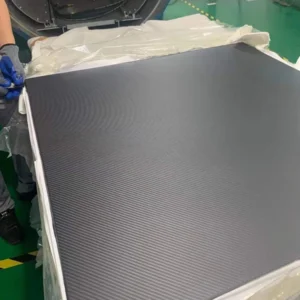
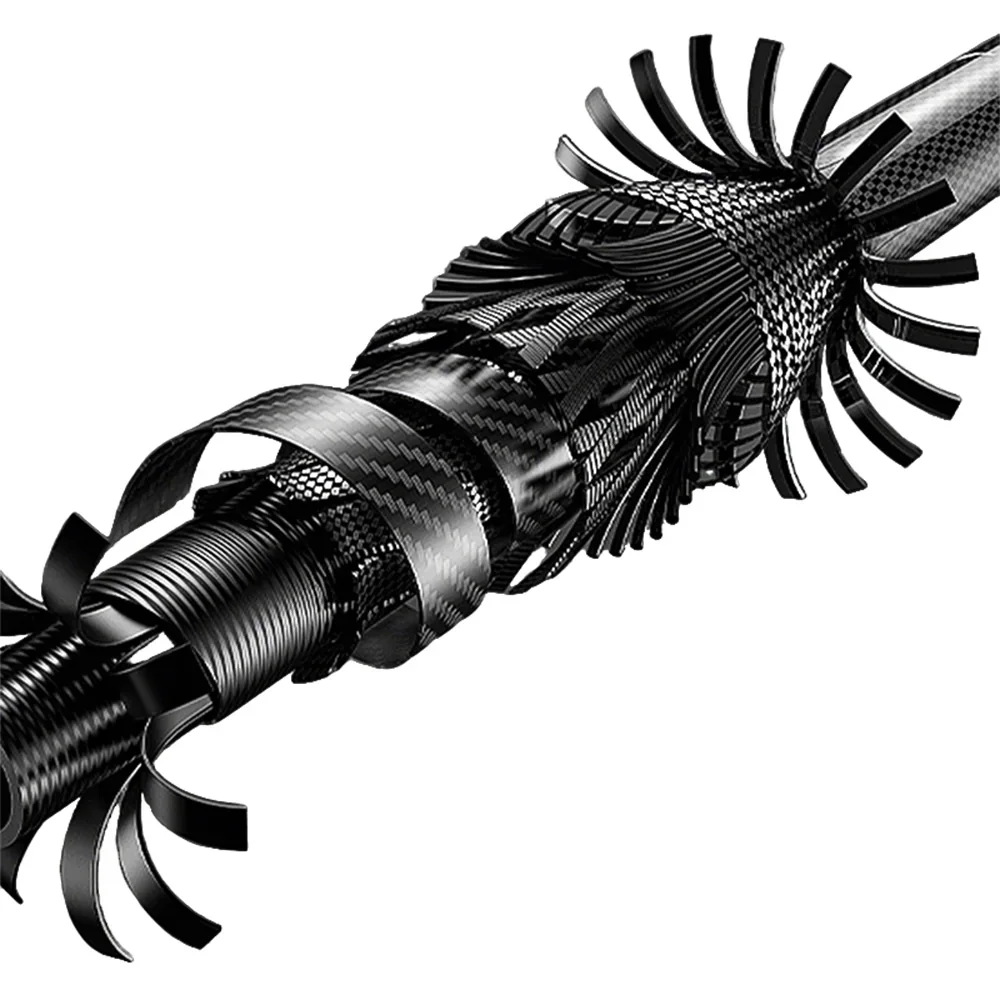
Carbon-fiber composite design depends on the actual laminate, part geometry, joining method, and load direction. A woven surface or the words “carbon fiber” alone do not prove tensile strength, impact resistance, dimensional stability, or suitability for an installed assembly.
For parts carrying a structural function, indicate required load cases and how compliance should be evaluated. Depending on the design, the buyer may need material documentation, an agreed inspection method, or sample testing. These requirements should be settled against the actual configuration before adopting a numerical performance statement.
The same principle applies to a cosmetic finished component: define the exposed face and acceptable surface condition, rather than assuming the chosen visual texture describes its internal construction.
Check interfaces before discussing quantity
Repeated problems in part sourcing often begin at interfaces rather than at the overall part silhouette. For a drawing-led review, identify hole patterns, assembly datums, mating edges, tool and cable clearance, and any post-processing permitted on the buyer’s side.
If an existing physical sample is available, record the sample version and the measurements that are known. A sample is useful context but does not replace a controlled drawing or an agreed acceptance plan when dimensional fit matters.
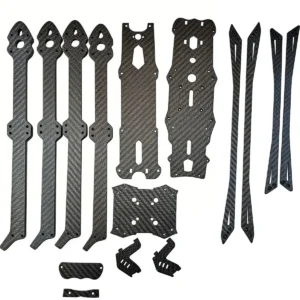
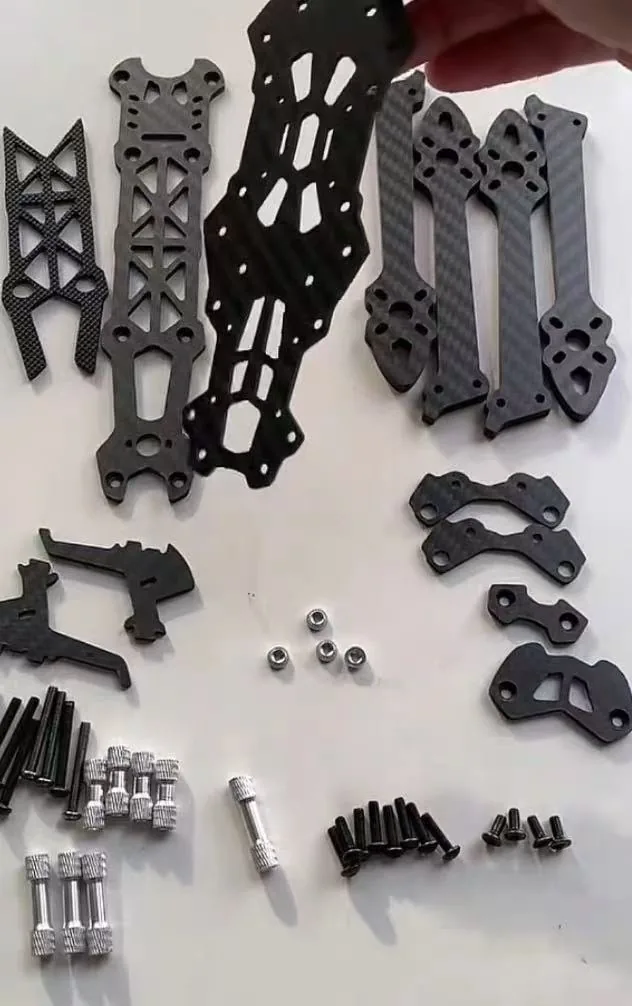
For an assembly containing multiple carbon fiber parts, send the parts list and explain which items are required as separate finished components. This avoids confusion between one component, an assembly, and an assortment of unspecified custom pieces.
Applications require part-specific qualification
The same broad component categories can appear in robotic mechanisms, vehicle systems, UAV assemblies, consumer products, and industrial equipment. Their operating conditions and validation needs differ. An application example on this page does not constitute an approved CFRPWorks customer case, a verified vehicle component, or a tested part for a particular industry.
If the engineering question is about whether carbon-fiber composites suit an automotive engineering application, a robotics application, or an industrial application, resolve that application-level assessment separately. This page stays focused on defining and sourcing the finished physical component.
Quality and documentation: agree on the acceptance basis
For a finished part, the buyer can request a first-article review, dimensional inspection plan, material-identification evidence, surface-quality criteria, or records tied to the supplied lot. The scope and availability of these documents must be confirmed for the actual project.
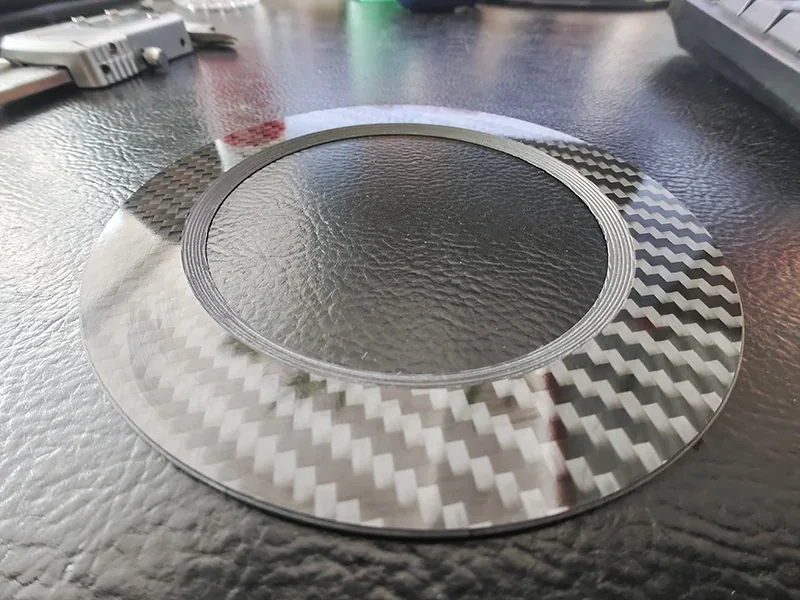
Avoid accepting generic production photos or inspection-equipment images as proof that a named part was manufactured to a given tolerance, passed a strength test, or meets a certification. Any measurable claim should trace to the relevant item, conditions, test or inspection record, and an approved disclosure.
Frequently asked questions
What makes a part “custom” for procurement purposes?
Its geometry, material requirements, finish, interfaces, or acceptance conditions are defined for the buyer’s specific component rather than identified by a verified standard SKU. An enquiry may begin with a controlled drawing, a sample, or a documented concept.
Do I need finished CAD before requesting a quote?
Provide the best available drawing, model, or sample and identify which dimensions are still open. Feasibility and the required documentation should be discussed before an order is treated as technically finalized.
Can a surface photograph establish the material grade?
No. Appearance alone does not establish the laminate architecture, resin system, mechanical test values, or conformity of an individual finished part. Ask for relevant, traceable evidence where required.
Can I specify mounting holes, fit features, and cosmetic finish?
Yes, those are useful elements of your RFQ. Indicate the design intent, drawing references, inspection priorities, and the evidence needed to confirm the chosen part. Do not assume a manufacturing tolerance or finish option is available until agreed for the particular project.
How should I handle a prototype-to-repeat order?
State the expected stages, quantity for each stage, any sample acceptance process, and critical features that must remain controlled. Sampling, production terms, and delivery timing require project-specific confirmation rather than a generic guarantee.
Is this the correct page for a general CNC or OEM service enquiry?
This product page concerns completed physical components. If the primary question is which manufacturing process or broader development service to purchase, that is a different sourcing decision and should be routed to the relevant capability owner.
Request a Quote / Send Drawing
Send CFRPWorks your part drawing or reference sample, a brief description of function, required quantity, material and appearance requirements, critical interfaces, and proposed acceptance criteria. Clearly mark any open specification questions. The next step is to review the requested component and agree on the evidence and terms relevant to that actual part.
Next step for your project
Use the inquiry form above to send your drawing, quantity, material or finish requirements, and the acceptance points that matter to your project.
Start Your RFQ Contact CFRPWorks